Xing Xiaoyan, Li Fahui, Hu Yajie, Zhang Lin, Hui Qian, Qin Hongyu, Jiang Qixiao, Jiang Wenyan, Fang Chunyan, Zhang Lei
Department of Pharmacology, School of Pharmacy, Weifang Medical University, Weifang, China.
Department of Medicinal Chemistry, School of Pharmacy, Weifang Medical University, Weifang, China.
Front Oncol. 2022 May 23;12:894842. doi: 10.3389/fonc.2022.894842. eCollection 2022.
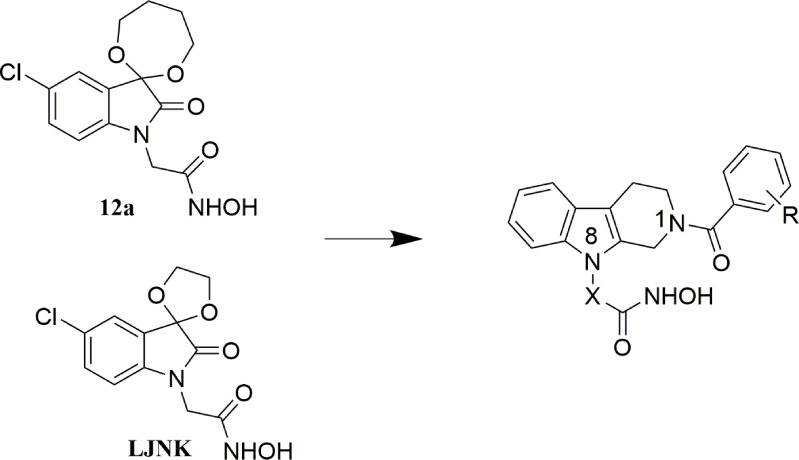
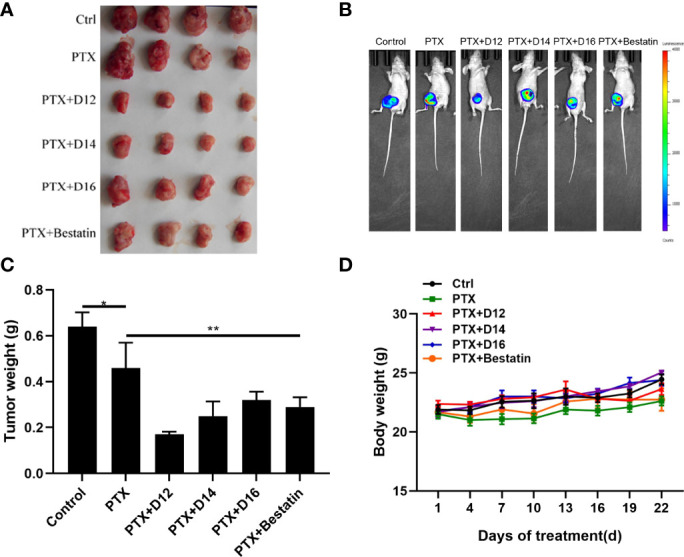
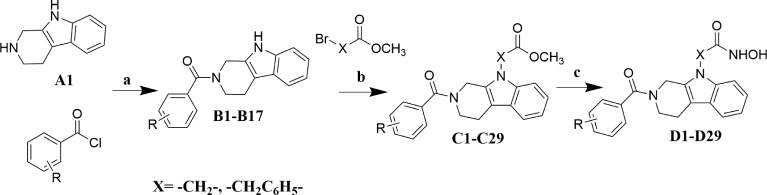
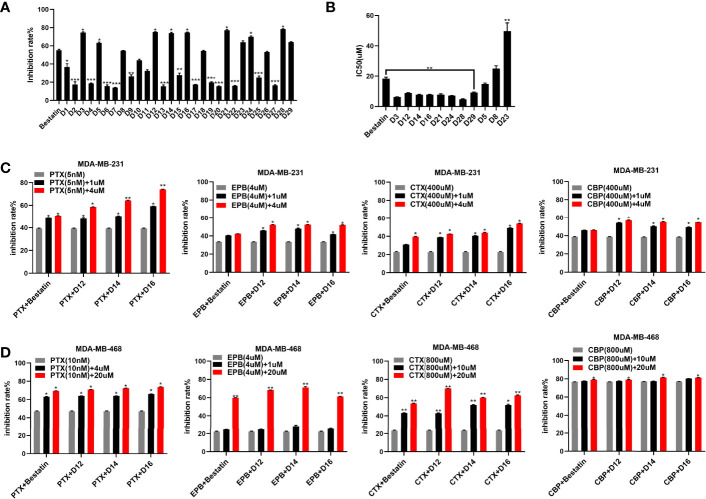
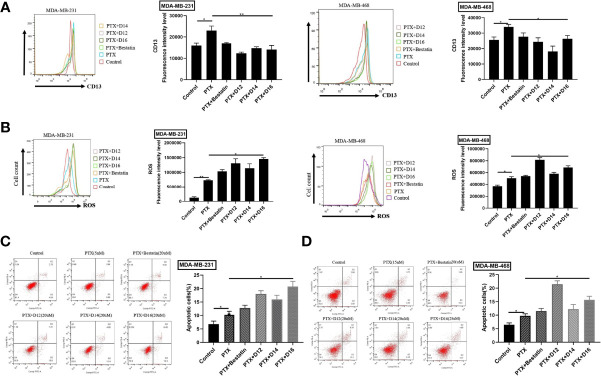
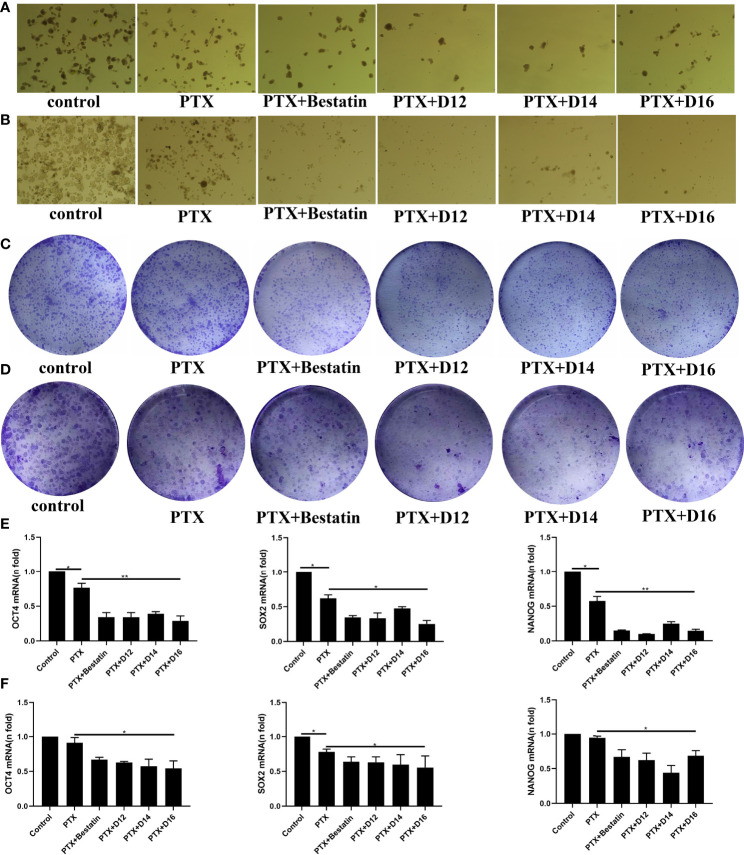
Aminopeptidase N (APN, CD13) is closely associated with the development and progression of cancer. Previous studies suggested APN as a biomarker for cancer stem cells. APN inhibitors have been intensively evaluated as chemosensitizers for cancer treatments. In the present study, tetrahydro--carboline scaffold was introduced to the structure of APN inhibitors. The synthesized compounds showed potent enzyme inhibitory activities compared with Bestatin, an approved APN inhibitor, in cell-based enzymatic assay. In combination with chemotherapeutic drugs, representative APN inhibitor molecules , and significantly improved the antiproliferative potency of anticancer drugs in the tests. Further mechanistic studies revealed that the anticancer effects of these drug combinations are correlated with decreased APN expression, increased ROS level, and induction of cell apoptosis. The spheroid-formation assay and colony-formation assay results showed effectiveness of Paclitaxel-APN inhibitor combination against breast cancer stem cell growth. The combined drug treatment led to reduced mRNA expression of OCT-4, SOX-2 and Nanog in the cancer stem cells tested, suggesting the reduced stemness of the cells. In the study, the selected APN inhibitors, especially , exhibited improved anticancer activity in combination with Paclitaxel compared with Bestatin. Collectively, potent APN inhibitors were discovered, which could be used as lead compounds for tumor chemo-sensitization and cancer stem cell-based therapies.
氨肽酶N(APN,CD13)与癌症的发生和发展密切相关。先前的研究表明APN是癌症干细胞的生物标志物。APN抑制剂已被深入评估作为癌症治疗的化学增敏剂。在本研究中,将四氢-β-咔啉骨架引入到APN抑制剂的结构中。在基于细胞的酶分析中,与已获批的APN抑制剂贝抑素相比,合成的化合物显示出强大的酶抑制活性。代表性的APN抑制剂分子 、 和 与化疗药物联合使用时,在 试验中显著提高了抗癌药物的抗增殖效力。进一步的机制研究表明,这些药物组合的抗癌作用与APN表达降低、活性氧水平升高和细胞凋亡诱导有关。球体形成试验和集落形成试验结果表明,紫杉醇-APN抑制剂组合对乳腺癌干细胞生长有效。联合药物治疗导致所测试的癌症干细胞中OCT-4、SOX-2和Nanog的mRNA表达降低,表明细胞的干性降低。在 研究中,所选的APN抑制剂,尤其是 ,与贝抑素相比,与紫杉醇联合使用时表现出更好的抗癌活性。总体而言,发现了有效的APN抑制剂,可作为肿瘤化学增敏和基于癌症干细胞治疗的先导化合物。