Vidyanti Amelia Nur, Maulida Awaliyah Mira Tamila Nurul, Fauzi Aditya Rifqi, Harahap Indra Sari Kusuma, Mulya Deshinta Putri
Department of Neurology, Faculty of Medicine, Public Health and Nursing, Universitas Gadjah Mada/Dr. Sardjito General Hospital, Yogyakarta, 55281, Indonesia.
Department of Internal Medicine, Faculty of Medicine, Public Health and Nursing, Universitas Gadjah Mada/Dr. Sardjito General Hospital, Yogyakarta, 55281, Indonesia.
Ann Med Surg (Lond). 2022 Jun;78:103886. doi: 10.1016/j.amsu.2022.103886. Epub 2022 Jun 3.
Systemic autoimmune disorders are associated with an increased risk of hypercoagulability. The hypercoagulable state in people with systemic autoimmune disorders has lately gained attention.
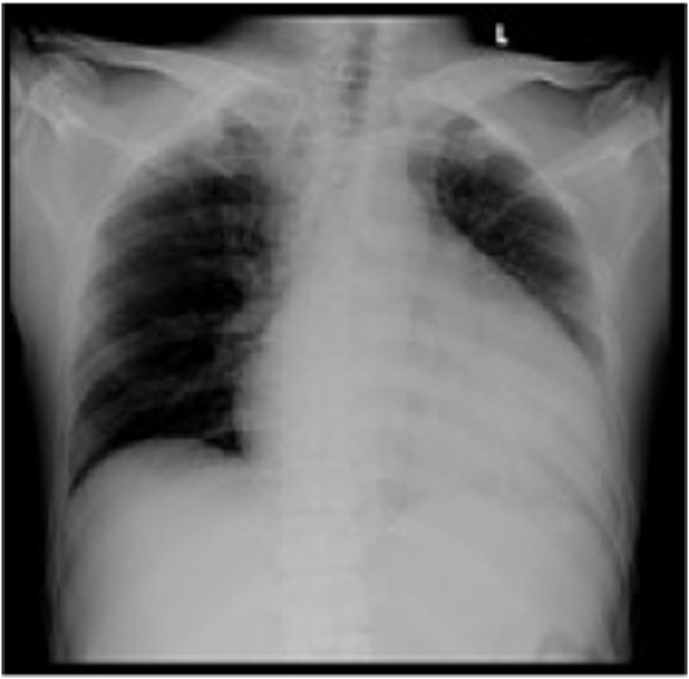
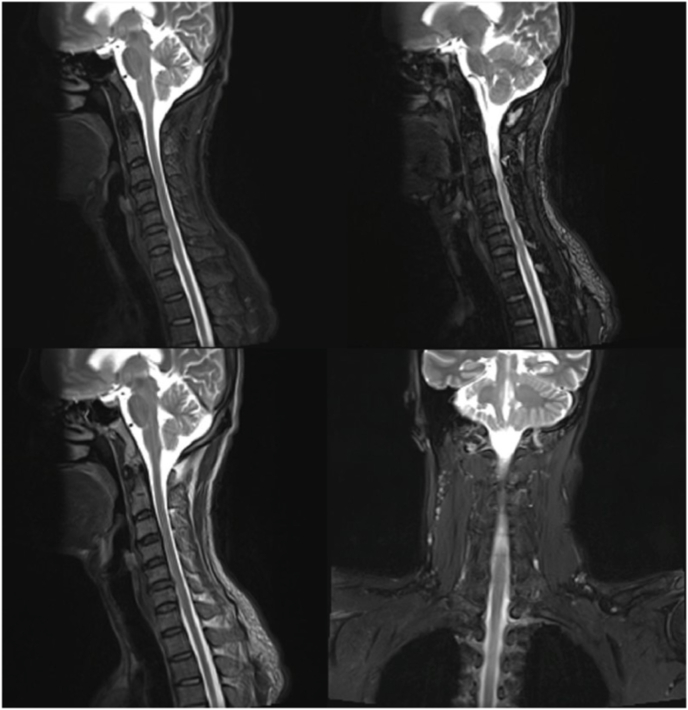
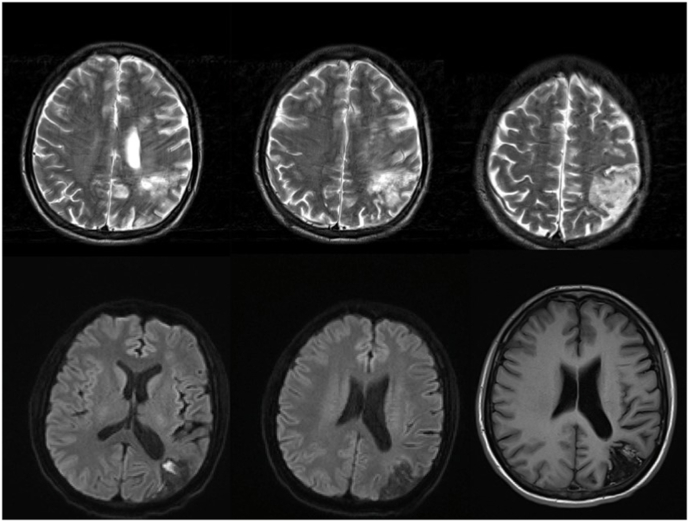
We presented a 44-year-old male with a chief complaint of progressive difficulty concentrating, memory impairment, and weakness in all limbs. Seven months before admission to our Memory Clinic, the patient began to have infrequent short-term memory loss and sometimes got lost when he went for a drive. Three months later, he complained of feeling dizzy when in a crowd, being unable to watch television for a long time, and easily forgetting. Computed tomography (CT) scan showed brain infarction. After receiving the first dose of COVID-19 vaccine (Sinovac), the patient had difficulty communicating verbally and could only point at objects, as well as tetraparesis. These conditions severely intervened in his daily activities. The patient was then referred to an immunologist and diagnosed with autoimmune disease. In our Memory Clinic, his performances of attention, memory, language, visuospatial, and executive function were very poor. We diagnosed him with autoimmune dementia. The administration of methylprednisolone, mycophenolate mofetil, vitamin D3, donepezil, and memantine could improve his condition.
Autoimmune disease can cause microvascular thrombosis and microembolism at the central nervous system level, which would cause vascular damage and cognitive impairment leading to brain infarction and dementia.
There seems to be a link between autoimmune disease, hypercoagulable state, and dementia, although the magnitude of this link and the underlying processes are not fully understood.
系统性自身免疫性疾病与高凝状态风险增加相关。系统性自身免疫性疾病患者的高凝状态近来受到关注。
我们报告了一名44岁男性,主要症状为进行性注意力难以集中、记忆障碍和四肢无力。在入住我们记忆门诊前七个月,患者开始偶尔出现短期记忆丧失,有时开车时会迷路。三个月后,他抱怨在人群中感到头晕、无法长时间看电视且容易遗忘。计算机断层扫描(CT)显示脑梗死。在接种第一剂新冠疫苗(科兴)后,患者出现言语交流困难,只能指着物体,同时伴有四肢轻瘫。这些情况严重影响了他的日常活动。随后患者被转诊至免疫科医生处,被诊断为自身免疫性疾病。在我们的记忆门诊,他在注意力、记忆、语言、视觉空间和执行功能方面的表现非常差。我们诊断他患有自身免疫性痴呆。给予甲泼尼龙、霉酚酸酯、维生素D3、多奈哌齐和美金刚可改善他的病情。
自身免疫性疾病可在中枢神经系统层面导致微血管血栓形成和微栓塞,这会引起血管损伤和认知障碍,进而导致脑梗死和痴呆。
自身免疫性疾病、高凝状态和痴呆之间似乎存在联系,尽管这种联系的程度和潜在机制尚未完全明确。