Department of Zoological Sciences, Addis Ababa University, PO. Box 1176, Addis Ababa, Ethiopia.
Department of Biology, Debre Berhan University, PO. Box 445, Debre Berhan, Ethiopia.
Malar J. 2022 Jun 11;21(1):180. doi: 10.1186/s12936-022-04179-6.
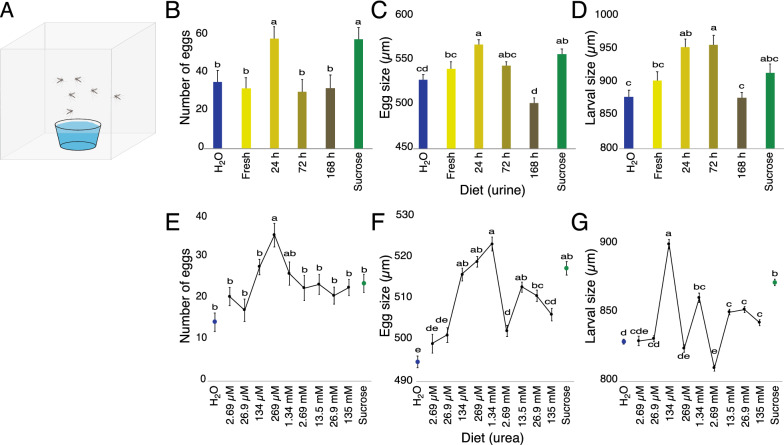
Nutrient acquisition and allocation integrate foraging and life-history traits in insects. To compensate for the lack of a particular nutrient at different life stages, insects may acquire these through supplementary feeding, for example, on vertebrate secretions, in a process known as puddling. The mosquito Anopheles arabiensis emerges undernourished, and as such, requires nutrients for both metabolism and reproduction. The purpose of this study was to assess whether An. arabiensis engage in puddling on cattle urine to obtain nutrients to improve life history traits.
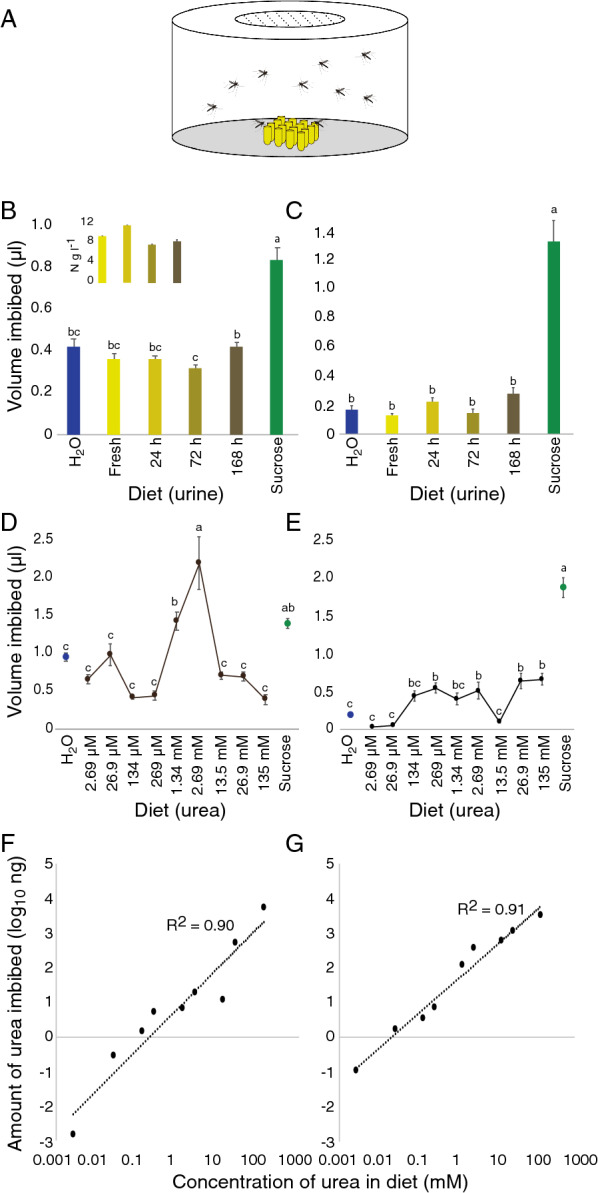
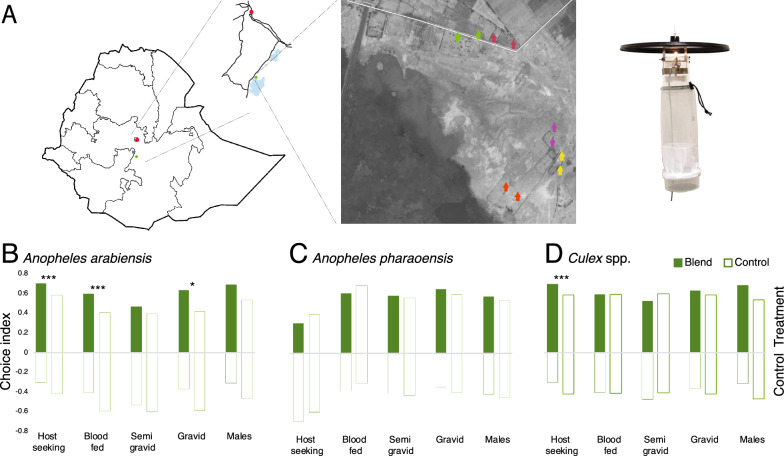
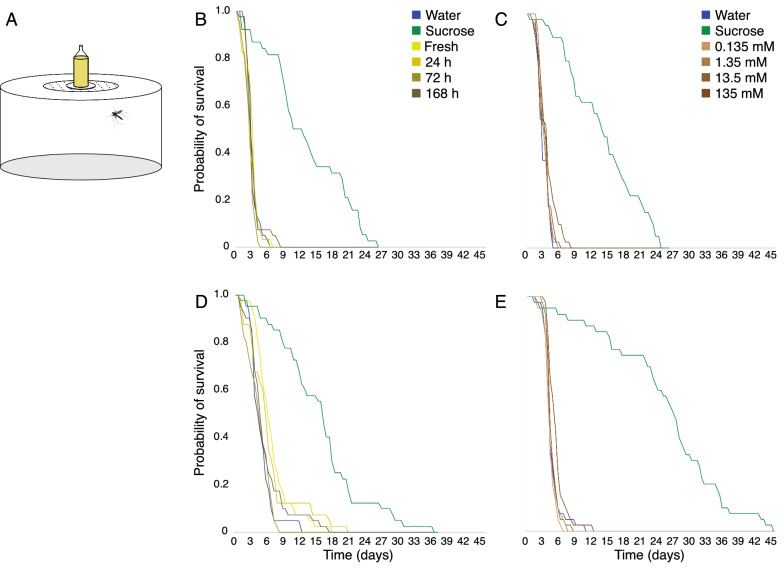
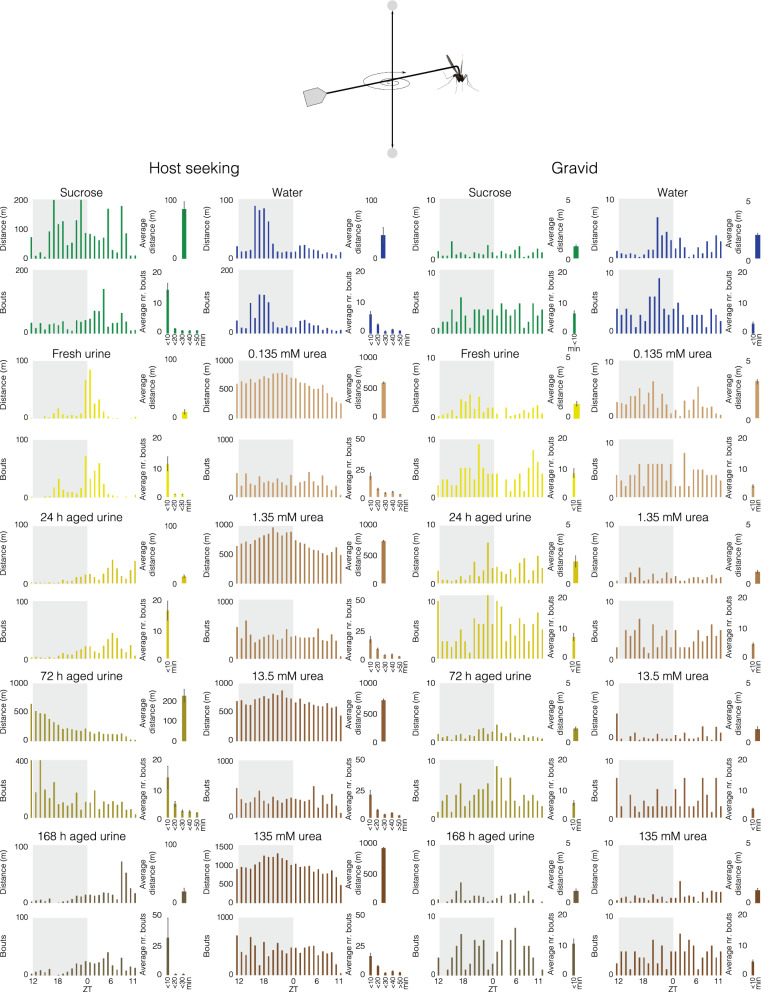
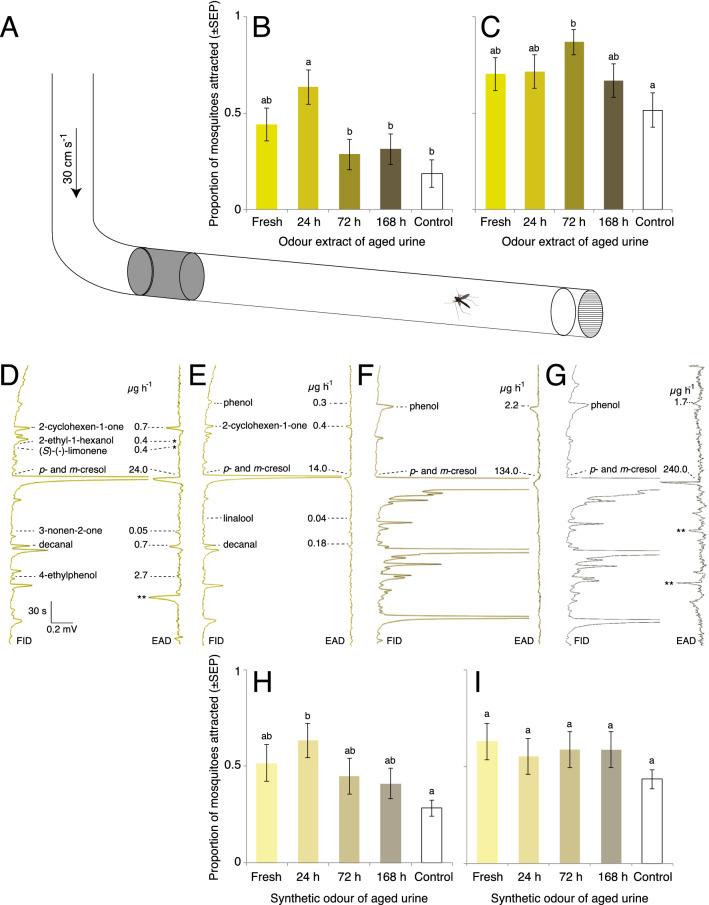
To determine whether An. arabiensis are attracted to the odour of fresh, 24 h, 72 h and 168 h aged cattle urine, host-seeking and blood-fed (48 h post-blood meal) females were assayed in a Y-tube olfactometer, and gravid females assessed in an oviposition assay. Combined chemical and electrophysiological analyses were subsequently used to identify the bioactive compounds in all four age classes of cattle urine. Synthetic blends of bioactive compounds were evaluated in both Y-tube and field assays. To investigate the cattle urine, and its main nitrogenous compound, urea, as a potential supplementary diet for malaria vectors, feeding parameters and life history traits were measured. The proportion of female mosquitoes and the amount of cattle urine and urea imbibed, were assessed. Following feeding, females were evaluated for survival, tethered flight and reproduction.
Host-seeking and blood-fed An. arabiensis were attracted to the natural and synthetic odour of fresh and aged cattle urine in both laboratory and field studies. Gravid females were indifferent in their response to cattle urine presence at oviposition sites. Host-seeking and blood-fed females actively imbibed cattle urine and urea, and allocated these resources according to life history trade-offs to flight, survival or reproduction, as a function of physiological state.
Anopheles arabiensis acquire and allocate cattle urine to improve life history traits. Supplementary feeding on cattle urine affects vectorial capacity directly by increasing daily survival and vector density, as well as indirectly by altering flight activity, and thus should be considered in future models.
昆虫的觅食和生活史特征与其营养物质的获取和分配有关。为了弥补不同生命阶段特定营养物质的缺乏,昆虫可能会通过补充喂养来获取这些营养物质,例如,吸食脊椎动物的分泌物,这一过程被称为“水坑行为”。按蚊属的阿拉伯按蚊在发育过程中会出现营养不良的情况,因此,其需要获取营养物质来进行新陈代谢和繁殖。本研究旨在评估阿拉伯按蚊是否会通过吸食牛尿来获取水坑行为所需的营养物质,以改善其生活史特征。
为了确定阿拉伯按蚊是否会被新鲜的、24 小时、72 小时和 168 小时的牛尿气味所吸引,我们在 Y 型嗅觉仪中对寻找宿主和吸血(吸血后 48 小时)的雌性蚊子进行了测试,并在产卵试验中对怀孕的雌性蚊子进行了评估。随后,我们采用综合的化学和电生理学分析方法来鉴定所有 4 种年龄组牛尿中的生物活性化合物。我们还在 Y 型管和野外试验中评估了生物活性化合物的合成混合物。为了研究牛尿及其主要含氮化合物尿素是否可以作为疟疾传播媒介的补充饮食,我们测量了摄食参数和生活史特征。我们评估了雌性蚊子的吸食比例、牛尿和尿素的摄取量。摄食后,我们评估了雌性蚊子的存活率、系留飞行和繁殖能力。
在实验室和野外研究中,寻找宿主和吸血的阿拉伯按蚊均被新鲜和陈旧牛尿的天然和合成气味所吸引。在产卵时,怀孕的雌性蚊子对牛尿的存在反应不一。寻找宿主和吸血的雌性蚊子积极吸食牛尿和尿素,并根据生活史权衡,将这些资源分配给飞行、生存或繁殖,这取决于其生理状态。
阿拉伯按蚊通过吸食牛尿来获取和分配营养物质,以改善生活史特征。补充喂养牛尿会直接通过增加每日存活率和媒介密度来影响媒介能力,也会通过改变飞行活动来间接影响媒介能力,因此在未来的模型中应考虑这一点。