Vilela Reíssa Alves, Lourenço Junior José de Brito, Jacintho Manuel Antonio Chagas, Barbosa Antonio Vinícius Correa, Pantoja Messy Hannear de Andrade, Oliveira Carlos Magno Chaves, Garcia Alexandre Rossetto
Institute of Veterinary Medicine, Federal University of Pará, Castanhal, Brazil.
Laboratory of Skin and Leather Quality Assessment, Embrapa Southeast Livestock, Brazilian Agricultural Research Corporation, São Carlos, Brazil.
Front Vet Sci. 2022 May 25;9:871206. doi: 10.3389/fvets.2022.871206. eCollection 2022.
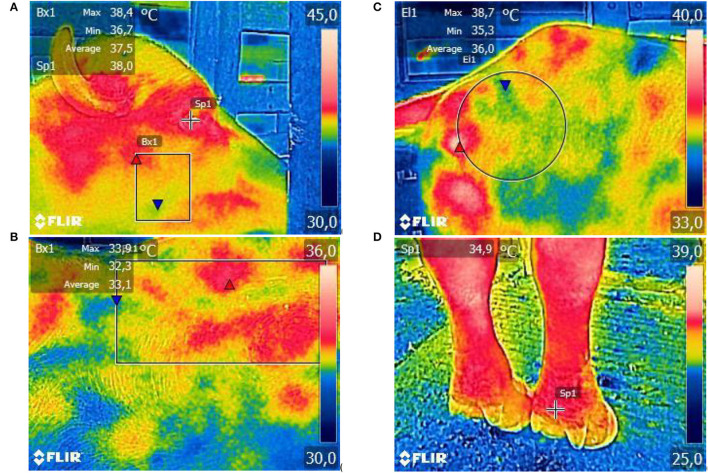
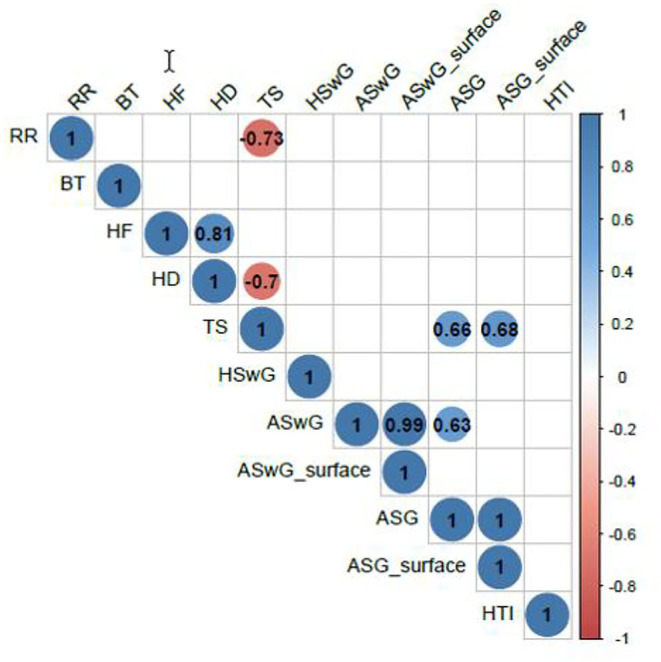
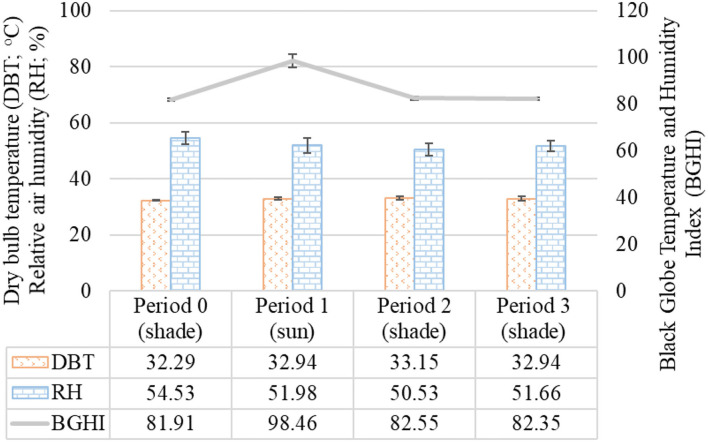
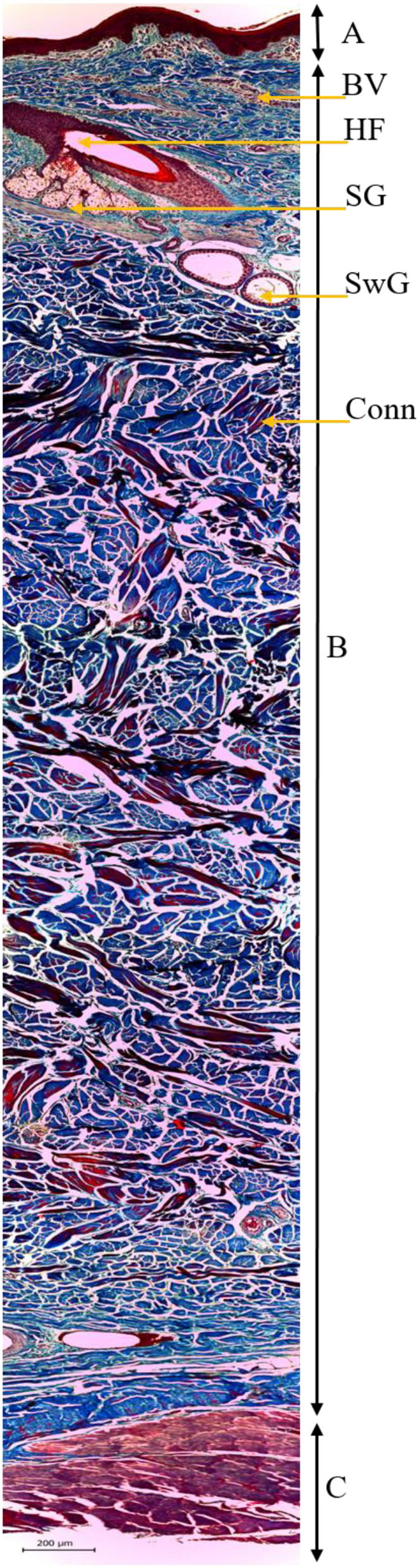
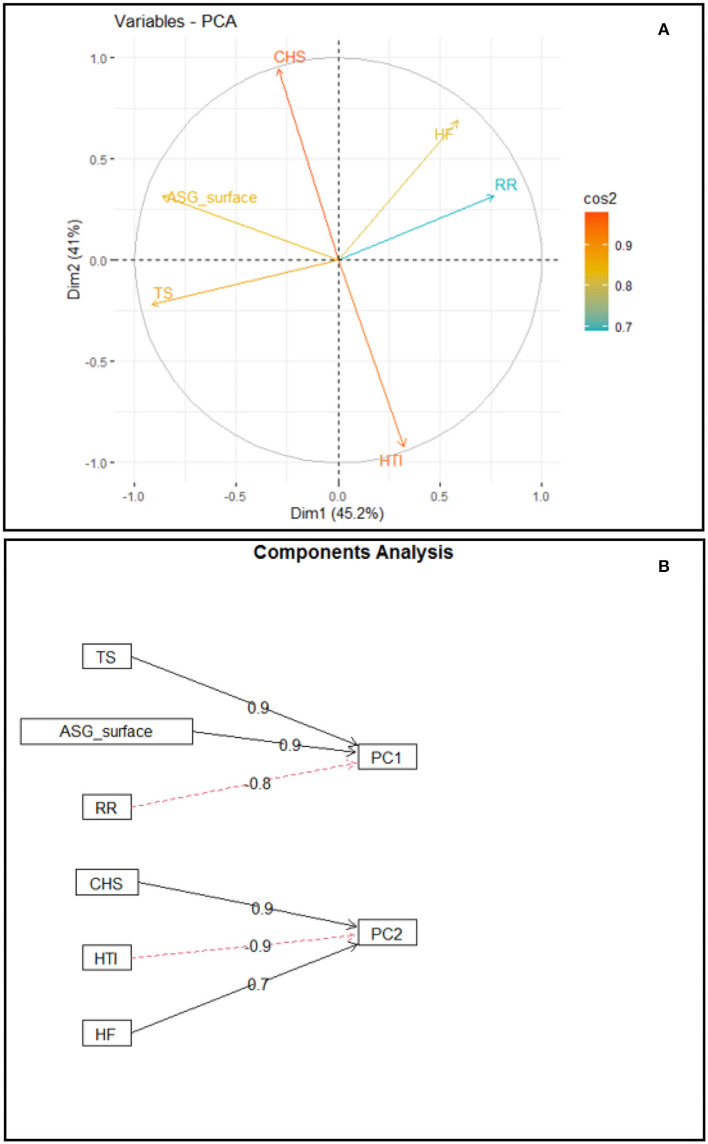
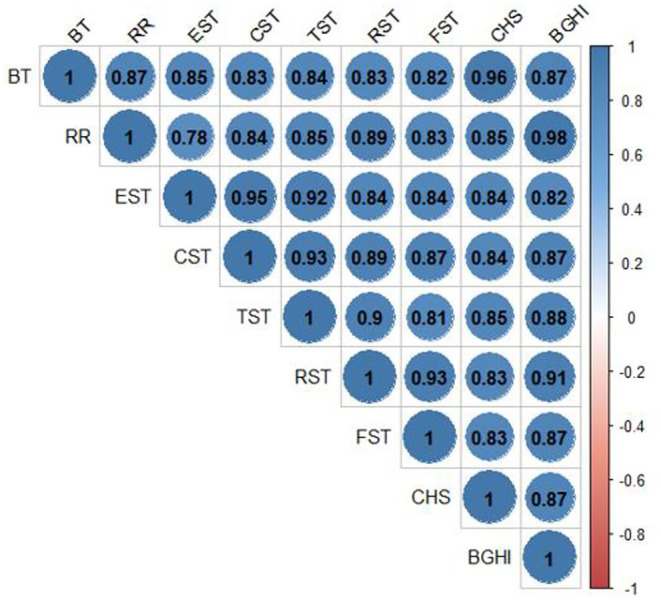
The thermolytic capacity test is used to assess the adaptability of animals to existing environmental conditions. However, there is insufficient information on the relationship between histomorphometry and adaptability of buffaloes. Thus, this study aimed to assess the use of thermolysis pathways by buffaloes reared in a hot and humid environment so as to understand the relationships between environment, skin morphological characteristics, and heat storage, as well as the intensity and proportionality of use of its ways of dissipating heat to maintain homeothermy. The heat tolerance test, associated with the evaluations infrared thermography, was applied to 10 female Murrah buffaloes and tegument histomorphometry was carried out. The animals exhibited very high heat tolerance with an average of 9.66 ± 0.21 and used thermal polypnea as the main heat dissipation pathway. Their mean skin thickness was 6.03 ± 1.16 mm and the active sweat and sebaceous gland tissue were 1.57 ± 0.38% and 1.08 ± 0.39%, respectively. The buffaloes exhibited a positive correlation between eyeball temperature and internal body temperature ( = 0.84523, < 0.0001) and a negative correlation between respiratory rate and skin thickness ( = -0.73371, = 0.0157). The high thermolytic capacity in shade conditions confirms the importance of access to shade in buffalo rearing systems in tropical regions.
热解能力测试用于评估动物对现有环境条件的适应性。然而,关于水牛组织形态计量学与适应性之间的关系,目前信息不足。因此,本研究旨在评估在炎热潮湿环境中饲养的水牛对热解途径的利用情况,以便了解环境、皮肤形态特征与蓄热之间的关系,以及其散热方式在维持体温恒定中的使用强度和比例。对10头雌性摩拉水牛进行了与红外热成像评估相关的耐热性测试,并进行了皮肤组织形态计量学分析。这些动物表现出非常高的耐热性,平均耐热性为9.66±0.21,并以热性呼吸急促作为主要散热途径。它们的平均皮肤厚度为6.03±1.16毫米,活跃的汗腺和皮脂腺组织分别为1.57±0.38%和1.08±0.39%。水牛的眼球温度与体内温度之间呈正相关(r = 0.84523,P < 0.0001),呼吸频率与皮肤厚度之间呈负相关(r = -0.73371,P = 0.0157)。阴凉条件下的高热解能力证实了在热带地区水牛饲养系统中提供阴凉处的重要性。