School of Mechanical Engineering, Vellore Institute of Technology, Vellore, 632014, Tamil Nadu, India.
Department of Energy and Environmental Engineering, Saveetha School of Engineering, Chennai, 602105, India.
Environ Sci Pollut Res Int. 2022 Aug;29(37):55528-55540. doi: 10.1007/s11356-022-21086-0. Epub 2022 Jun 13.
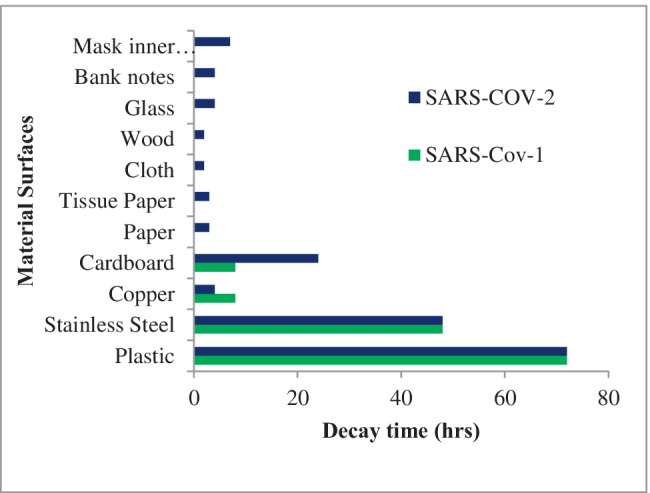
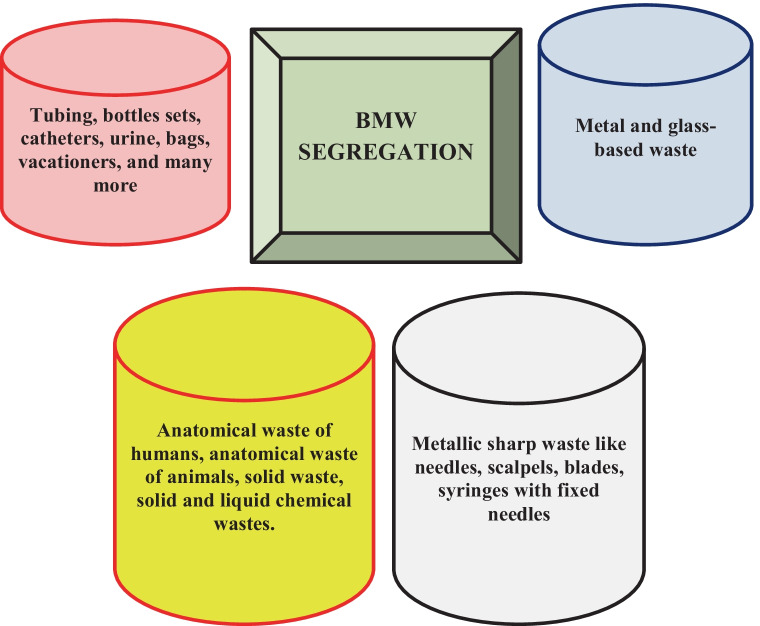
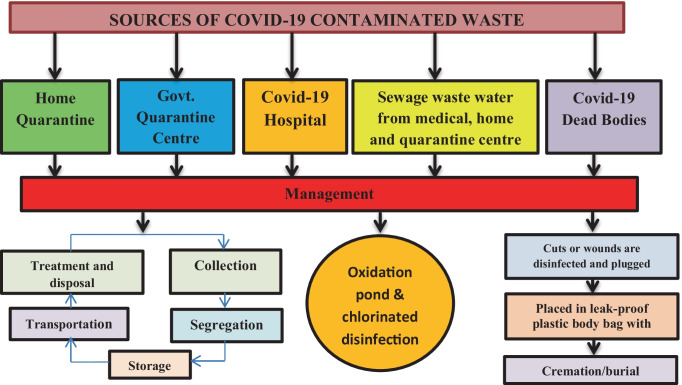
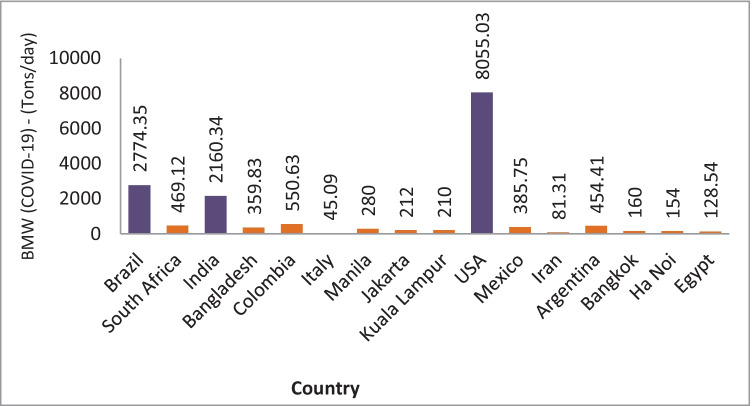
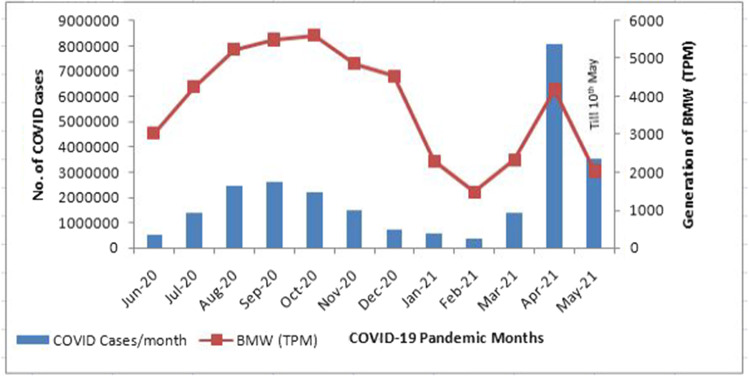
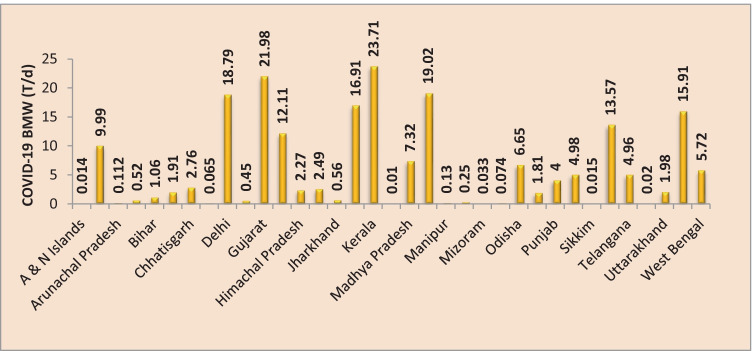
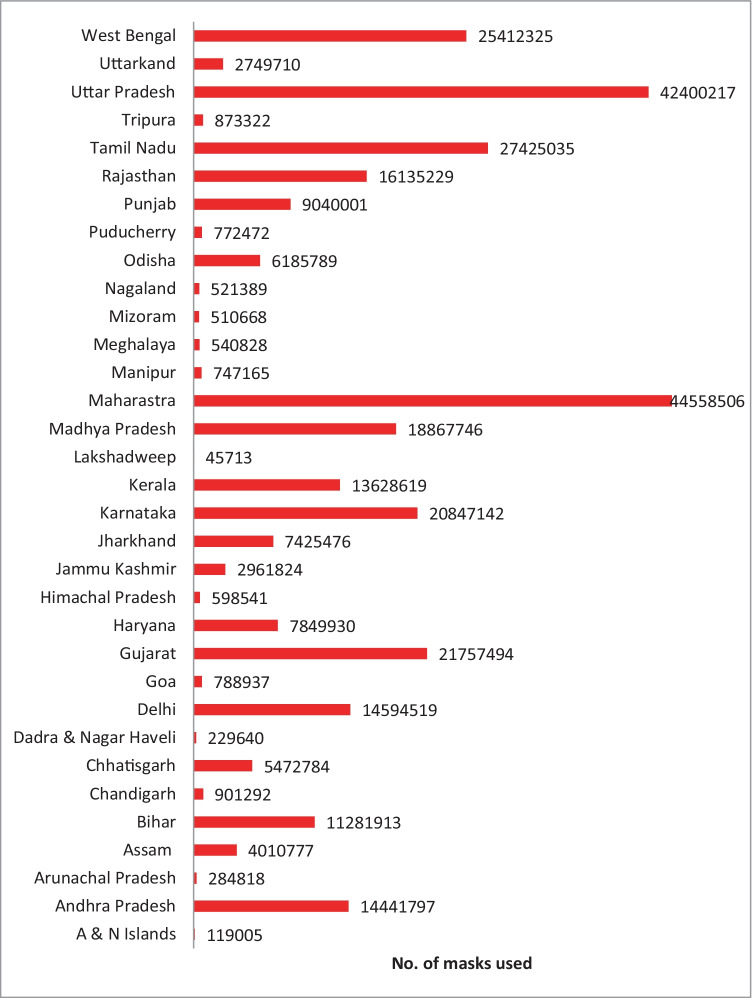
This study deals with the pollution impact of biomedical waste (BMW) generation due to the COVID-19 pandemic at both the global and national levels. This discussion is important in light of clear scientific evidence that, apart from the airborne transmission of the disease, the virus also survives on different surfaces and poses the risk of infection. Moreover, an investigation is conducted on BMW generation in tons/day in India during the COVID-19 period, with implications for future projection. Additionally, a pioneering study was conducted to estimate the usage of facemasks during the COVID-19 pandemic in India. This paper also provides a feasible solution, by adopting a modern perspective, towards managing BMW generated in the context of SARS-CoV-2 at isolation wards and crematoriums. Strategical approaches have been suggested for segregating and safely disposing BMW. The latest availability of disposal facilities is discussed based on source data provided by the Central Pollution Control Board (CPCB), India. Among the many disposal methods, incineration technologies are examined in depth. The impact of existing incineration technology on the environment and human health has been extensively studied. This study suggests strategies for controlling BMW generation during the COVID-19 pandemic.
本研究探讨了 COVID-19 大流行期间全球和国家层面生物医学废物(BMW)产生的污染影响。鉴于明确的科学证据表明,除了疾病的空气传播外,病毒还在不同表面存活并存在感染风险,因此这一讨论非常重要。此外,本研究还调查了 COVID-19 期间印度每天产生的 BMW 量,以便对未来进行预测。此外,还进行了一项开创性的研究,以估计 COVID-19 大流行期间印度使用的口罩数量。本文还通过采用现代视角,为在 SARS-CoV-2 背景下隔离病房和火葬场产生的 BMW 提供了可行的解决方案。提出了战略方法来对 BMW 进行分类和安全处置。根据印度中央污染控制委员会(CPCB)提供的原始数据,讨论了最新的处置设施可用性。在许多处置方法中,深入研究了焚烧技术。广泛研究了现有焚烧技术对环境和人类健康的影响。本研究提出了 COVID-19 大流行期间控制 BMW 产生的策略。