Glathar Alexandra Ruth, Oyelakin Akinsola, Gluck Christian, Bard Jonathan, Sinha Satrajit
Jacobs School of Medicine and Biomedical Sciences, Department of Biochemistry, University at Buffalo, Buffalo, NY, United States.
Front Oncol. 2022 May 31;12:879054. doi: 10.3389/fonc.2022.879054. eCollection 2022.
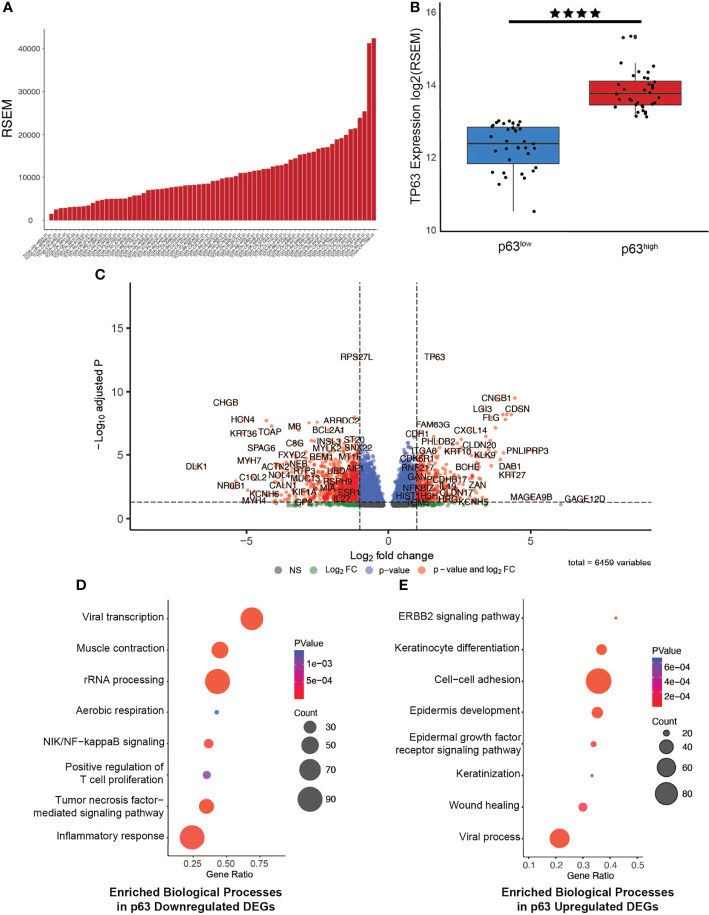
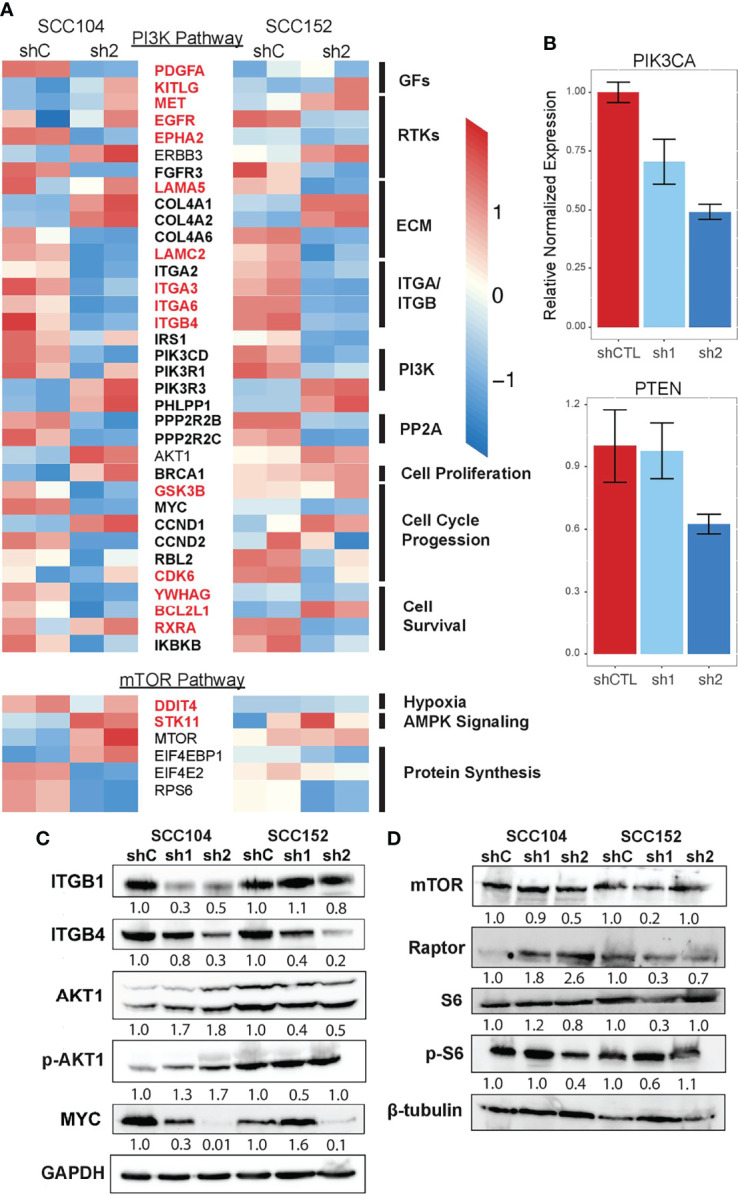
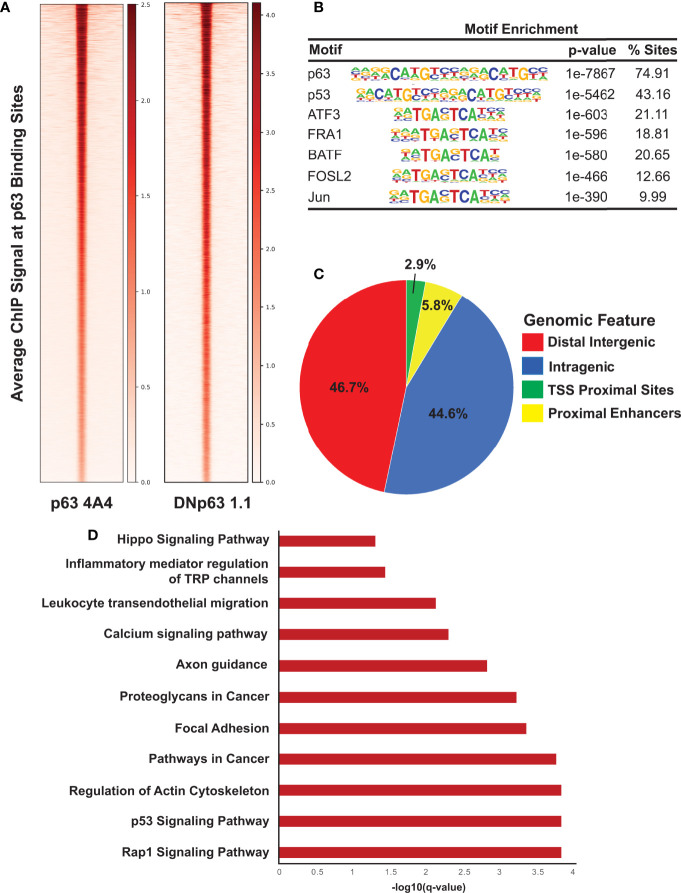
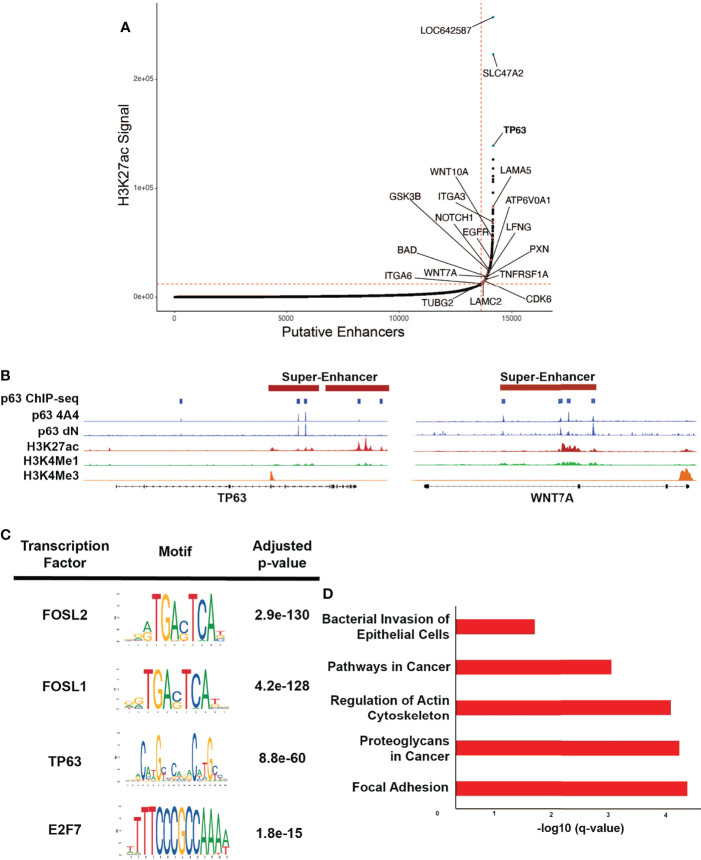
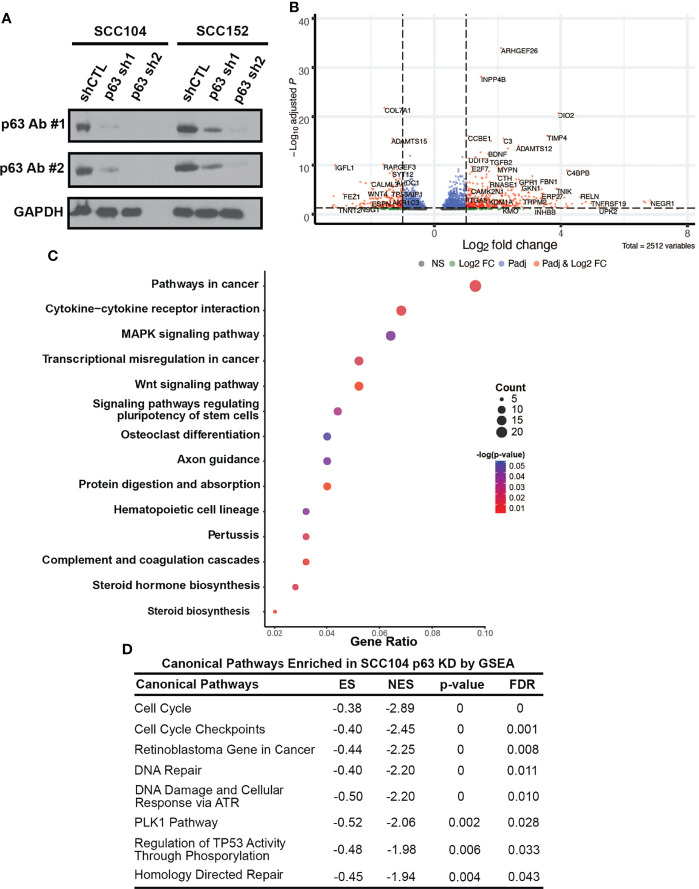
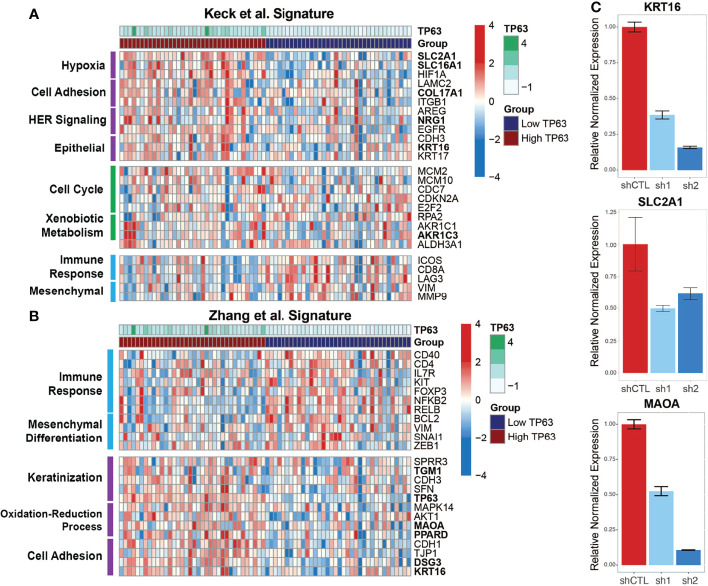
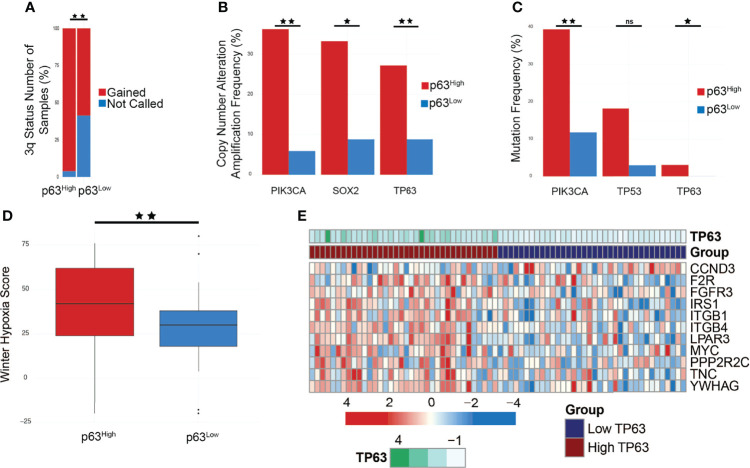
The complex heterogeneity of head and neck squamous cell carcinoma (HNSCC) reflects a diverse underlying etiology. This heterogeneity is also apparent within Human Papillomavirus-positive (HPV+) HNSCC subtypes, which have distinct gene expression profiles and patient outcomes. One aggressive HPV+ HNSCC subtype is characterized by elevated expression of genes involved in keratinization, a process regulated by the oncogenic transcription factor ΔNp63. Furthermore, the human gene locus is a frequent HPV integration site and HPV oncoproteins drive ΔNp63 expression, suggesting an unexplored functional link between ΔNp63 and HPV+ HNSCC. Here we show that HPV+ HNSCCs can be molecularly stratified according to ΔNp63 expression levels and derive a ΔNp63-associated gene signature profile for such tumors. We leveraged RNA-seq data from p63 knockdown cells and ChIP-seq data for p63 and histone marks from two ΔNp63 HPV+ HNSCC cell lines to identify an epigenetically refined ΔNp63 cistrome. Our integrated analyses reveal crucial ΔNp63-bound super-enhancers likely to mediate HPV+ HNSCC subtype-specific gene expression that is anchored, in part, by the PI3K-mTOR pathway. These findings implicate ΔNp63 as a key regulator of essential oncogenic pathways in a subtype of HPV+ HNSCC that can be exploited as a biomarker for patient stratification and treatment choices.
头颈部鳞状细胞癌(HNSCC)的复杂异质性反映了多种潜在病因。这种异质性在人乳头瘤病毒阳性(HPV+)的HNSCC亚型中也很明显,这些亚型具有不同的基因表达谱和患者预后。一种侵袭性的HPV+ HNSCC亚型的特征是参与角质化过程的基因表达升高,该过程由致癌转录因子ΔNp63调控。此外,人类基因位点是HPV常见的整合位点,HPV癌蛋白驱动ΔNp63表达,这表明ΔNp63与HPV+ HNSCC之间存在尚未探索的功能联系。在这里,我们表明HPV+ HNSCC可以根据ΔNp63表达水平进行分子分层,并得出此类肿瘤的ΔNp63相关基因特征谱。我们利用来自p63基因敲低细胞的RNA测序数据以及来自两个ΔNp63 HPV+ HNSCC细胞系的p63和组蛋白标记的染色质免疫沉淀测序数据,来识别经过表观遗传优化的ΔNp63顺式作用元件组。我们的综合分析揭示了关键的ΔNp63结合超级增强子,它们可能介导HPV+ HNSCC亚型特异性基因表达,这部分是由PI3K-mTOR信号通路介导的。这些发现表明,ΔNp63是HPV+ HNSCC一种亚型中关键致癌途径的关键调节因子,可作为患者分层和治疗选择的生物标志物。