Institute of Traditional Chinese Veterinary Medicine, College of Veterinary Medicine, Nanjing Agricultural University, Nanjing 210095, China.
MOE Joint International Research Laboratory of Animal Health and Food Safety, College of Veterinary Medicine, Nanjing Agricultural University, Nanjing 210095, China.
Oxid Med Cell Longev. 2022 Jun 10;2022:5859266. doi: 10.1155/2022/5859266. eCollection 2022.
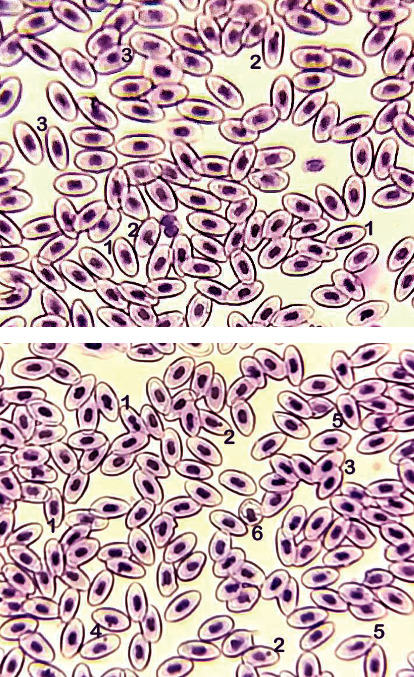
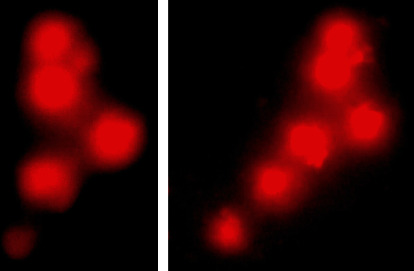
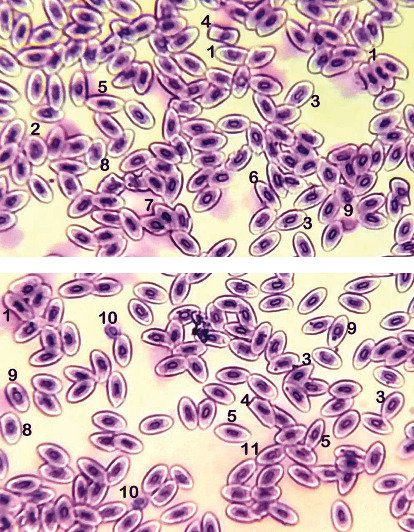
Pyriproxyfen (PPF) mimics a natural hormone in insects and disrupts their growth. It is a well-known synthetic insecticide and aromatic juvenile hormone analog frequently used in agriculture and vegetable crops to control various insect species. At present, scanty information is available about the possible potential threats of PPF in aquatic organisms. Therefore, in this study, different toxico-pathologic endpoints of PPF like DNA damage, biomarkers of oxidative stress, and status of antioxidant enzymes were determined in (freshwater fish). In our study, 60 active, free from any external obvious ailments, same size, age, and body mass were randomly allocated to four glass aquaria (T0-T3) separately containing 100 L water. The fish present in groups T1, T2, and T3 were administered PPF dissolved in water 300, 600, and 900 g/L for 30 days. Different tissues including the blood and visceral organs were obtained from each fish on days 10, 20, and 30 of the experiment. Results on various morphological and nuclear changes in red blood cells of PPF-exposed fish including pear-shaped erythrocytes, spherocytes, red blood cells with a blebbed nucleus, micronucleus, and nuclear remnants were significantly increased. Our results on genotoxicity (comet assay) recorded significantly ( ≤ 0.05) increased DNA damage in various tissues of insecticide-exposed fish. The results on oxidative stress profile (reactive oxygen species and thiobarbituric acid reactive substances) and antioxidant enzymes (reduced glutathione superoxide dismutase, peroxidase, and catalase) in multiple tissues of fish concluded significantly ( ≤ 0.05) higher quantity of biomarkers of oxidative stress and lower concentrations of different antioxidant enzymes in treated fish. Hence, the findings of our experimental research determine that PPF could induce adverse toxic impacts on multiple tissues of fish.
溴氰虫酰胺(PPF)模拟昆虫体内的一种天然激素,从而扰乱其生长。它是一种众所周知的合成杀虫剂和芳香型保幼激素类似物,常用于农业和蔬菜作物中,以控制各种昆虫。目前,关于 PPF 在水生生物中可能存在的潜在威胁的信息很少。因此,在这项研究中,我们测定了 PPF 对(淡水鱼)的不同毒性病理终点,如 DNA 损伤、氧化应激生物标志物和抗氧化酶的状态。在我们的研究中,随机将 60 条活跃的、无任何外部明显疾病、大小、年龄和体重相同的鱼分配到四个玻璃水族箱(T0-T3)中,每个水族箱分别含有 100 L 水。第 T1、T2 和 T3 组的鱼被给予溶于水中的 PPF,浓度分别为 300、600 和 900μg/L,持续 30 天。在实验的第 10、20 和 30 天,从每条鱼中获得不同的组织,包括血液和内脏器官。结果显示,暴露于 PPF 的鱼的红细胞出现各种形态和核变化,包括梨形红细胞、球形红细胞、核有泡状突起的红细胞、微核和核残片,明显增加。我们关于遗传毒性(彗星试验)的结果记录表明,暴露于杀虫剂的鱼的各种组织中的 DNA 损伤显著增加(≤0.05)。关于氧化应激谱(活性氧和硫代巴比妥酸反应物质)和抗氧化酶(还原型谷胱甘肽超氧化物歧化酶、过氧化物酶和过氧化氢酶)在多种组织中的结果表明,处理过的鱼中的氧化应激生物标志物数量显著增加(≤0.05),而不同抗氧化酶的浓度显著降低。因此,我们的实验研究结果表明,PPF 可能对 鱼的多个组织产生不良的毒性影响。