Wang Yanru, Jin Xiaojie, Fan Qin, Li Chenghao, Zhang Min, Wang Yongfeng, Wu Qingfeng, Li Jiawei, Liu Xiuzhu, Wang Siyu, Wang Yu, Li Ling, Ling Jia, Li Chaoxin, Wang Qianqian, Liu Yongqi
Gansu University Key Laboratory for Molecular Medicine and Chinese Medicine Prevention and Treatment of Major Diseases, Gansu University of Chinese Medicine, Lanzhou, China.
College of Pharmacy, Gansu University of Chinese Medicine, Lanzhou, China.
Front Pharmacol. 2022 Jun 2;13:879268. doi: 10.3389/fphar.2022.879268. eCollection 2022.
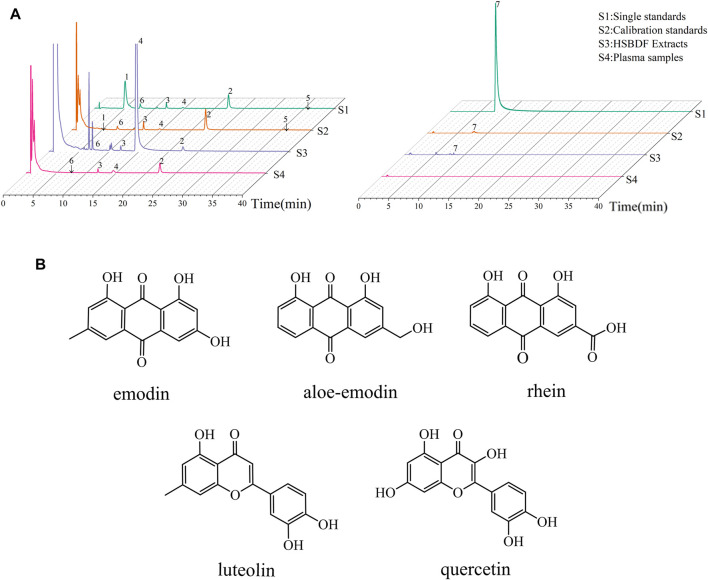
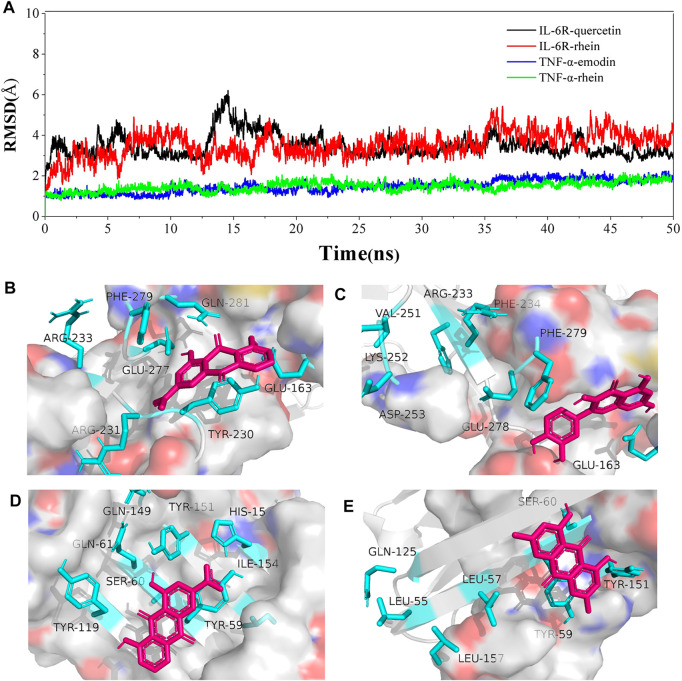
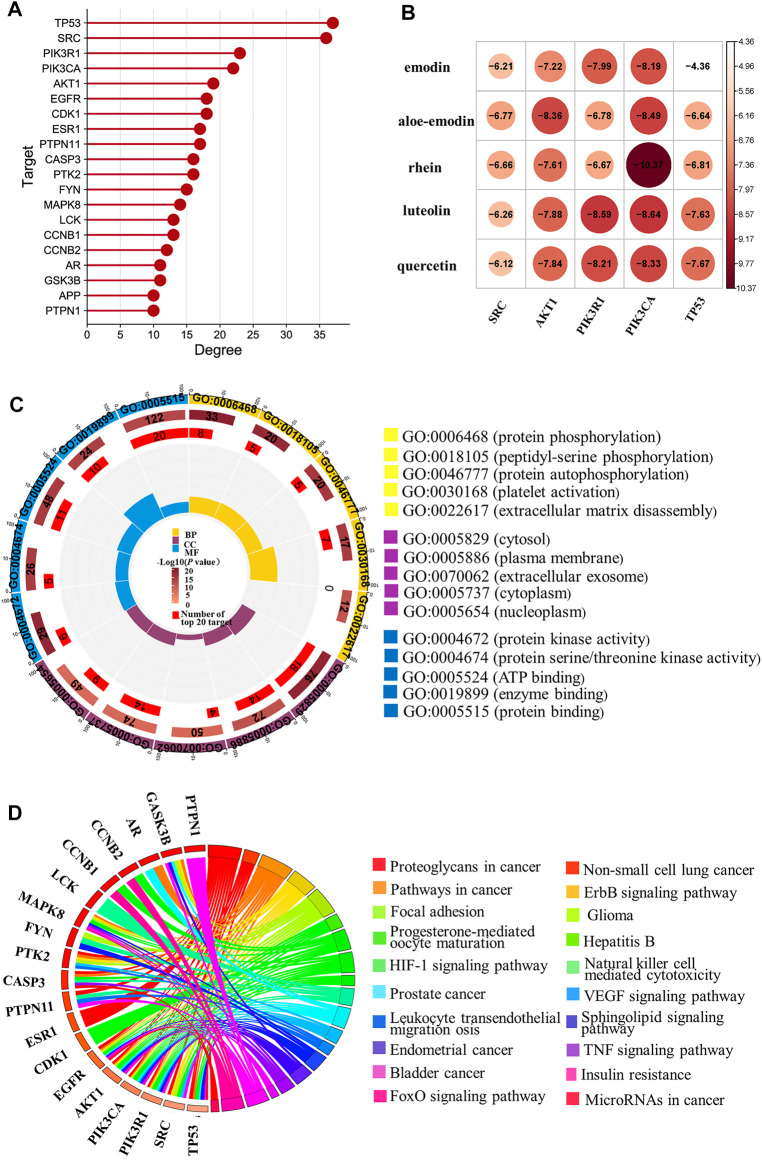
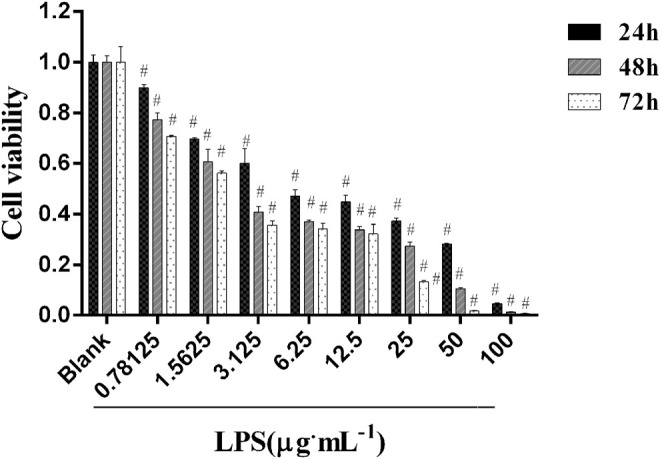
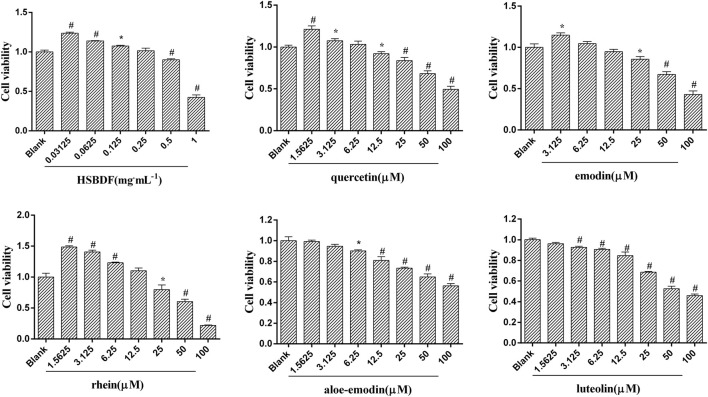
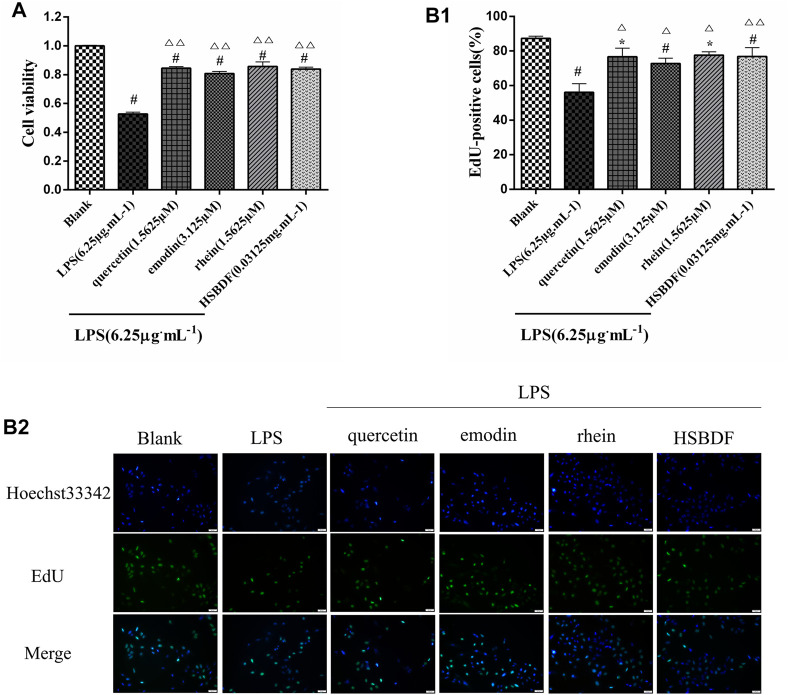
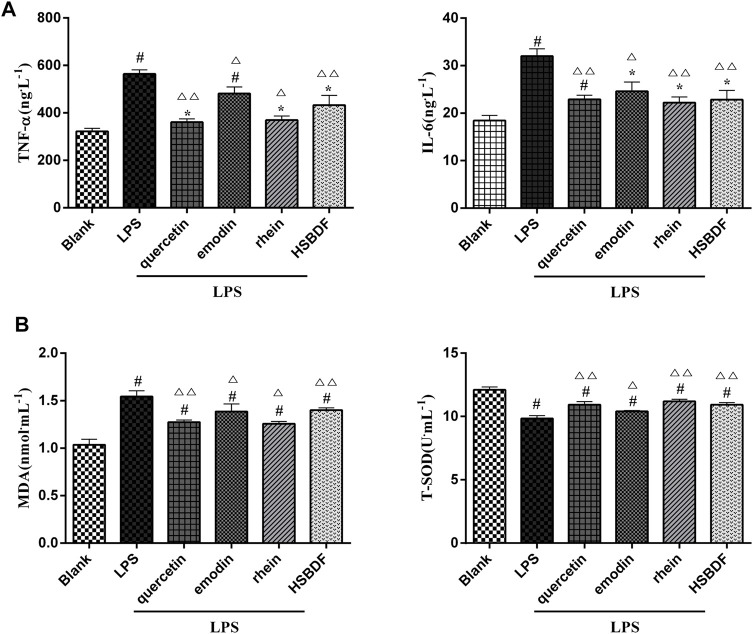
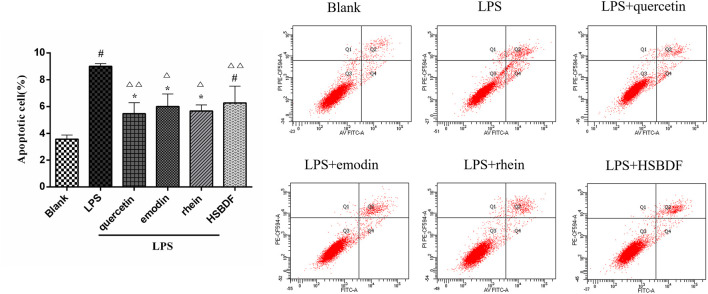
The Huashi Baidu Formula (HSBDF), a key Chinese medical drug, has a remarkable clinical efficacy in treating acute lung injury (ALI), and it has been officially approved by the National Medical Products Administration of China for drug clinical trials. Nevertheless, the regulated mechanisms of HSBDF and its active compounds in plasma against ALI were rarely studied. Based on these considerations, the key anti-inflammatory compounds of HSBDF were screened by molecular docking and binding free energy. The key compounds were further identified in plasma by LC/MS. Network pharmacology was employed to identify the potential regulatory mechanism of the key compounds in plasma. Next, the network pharmacological prediction was validated by a series of experimental assays, including CCK-8, EdU staining, test of TNF-α, IL-6, MDA, and T-SOD, and flow cytometry, to identify active compounds. Molecular dynamic simulation and binding interaction patterns were used to evaluate the stability and affinity between active compounds and target. Finally, the active compounds were subjected to predict pharmacokinetic properties. Molecular docking revealed that HSBDF had potential effects of inhibiting inflammation by acting on IL-6R and TNF-α. Piceatannol, emodin, aloe-emodin, rhein, physcion, luteolin, and quercetin were key compounds that may ameliorate ALI, and among which, there were five compounds (emodin, aloe-emodin, rhein, luteolin, and quercetin) in plasma. Network pharmacology results suggested that five key compounds in plasma likely inhibited ALI by regulating inflammation and oxidative damage. Test performed suggested that HSBDF (0.03125 mg/ml), quercetin (1.5625 μM), emodin (3.125 μM), and rhein (1.5625 μM) have anti-inflammatory function against oxidative damage and decrease apoptosis in an inflammatory environment by LPS-stimulation. In addition, active compounds (quercetin, emodin, and rhein) had good development prospects, fine affinity, and stable conformations with the target protein. In summary, this study suggested that HSBDF and its key active components in plasma (quercetin, emodin, and rhein) can decrease levels of pro-inflammatory factors (IL-6 and TNF-α), decrease expression of MDA, increase expression of T-SOD, and decrease cell apoptosis in an inflammatory environment. These data suggest that HSBDF has significant effect on anti-inflammation and anti-oxidative stress and also can decrease cell apoptosis in treating ALI. These findings provided an important strategy for developing new agents and facilitated clinical use of HSBDF against ALI.
化湿败毒方(HSBDF)是一种重要的中药,在治疗急性肺损伤(ALI)方面具有显著的临床疗效,已获得中国国家药品监督管理局正式批准进行药物临床试验。然而,HSBDF及其血浆中的活性成分对ALI的调控机制鲜有研究。基于这些考虑,通过分子对接和结合自由能筛选出HSBDF的关键抗炎化合物。通过液相色谱/质谱(LC/MS)在血浆中进一步鉴定关键化合物。采用网络药理学方法确定血浆中关键化合物的潜在调控机制。接下来,通过一系列实验分析验证网络药理学预测结果,包括CCK-8、EdU染色、TNF-α、IL-6、丙二醛(MDA)和总超氧化物歧化酶(T-SOD)检测以及流式细胞术,以鉴定活性化合物。利用分子动力学模拟和结合相互作用模式评估活性化合物与靶点之间的稳定性和亲和力。最后,对活性化合物进行药代动力学性质预测。分子对接显示,HSBDF通过作用于IL-6R和TNF-α具有潜在的抗炎作用。白皮杉醇、大黄素、芦荟大黄素、rhein、大黄酚、木犀草素和槲皮素是可能改善ALI的关键化合物,其中血浆中有5种化合物(大黄素、芦荟大黄素、rhein、木犀草素和槲皮素)。网络药理学结果表明,血浆中的5种关键化合物可能通过调节炎症和氧化损伤来抑制ALI。进行的实验表明,HSBDF(0.03125mg/ml)、槲皮素(1.5625μM)、大黄素(3.125μM)和rhein(1.5625μM)对氧化损伤具有抗炎作用,并通过脂多糖(LPS)刺激减少炎症环境中的细胞凋亡。此外,活性化合物(槲皮素、大黄素和rhein)具有良好的开发前景,与靶蛋白具有良好的亲和力和稳定的构象。总之,本研究表明HSBDF及其血浆中的关键活性成分(槲皮素、大黄素和rhein)可降低促炎因子(IL-6和TNF-α)水平,降低MDA表达,增加T-SOD表达,并减少炎症环境中的细胞凋亡。这些数据表明,HSBDF在治疗ALI方面具有显著的抗炎和抗氧化应激作用,还可减少细胞凋亡。这些发现为开发新药物提供了重要策略,并促进了HSBDF在治疗ALI方面的临床应用。