Liu Xuanyu, Yuan Meng, Xiang Qinqin, Li Zhujun, Xu Fen, Chen Wen, Chen Jie, Huang Jiuzuo, Yu Nanze, Zhou Zhou, Long Xiao
State Key Laboratory of Cardiovascular Disease, Beijing Key Laboratory for Molecular Diagnostics of Cardiovascular Diseases, Center of Laboratory Medicine, Fuwai Hospital, National Center for Cardiovascular Diseases, Chinese Academy of Medical Sciences and Peking Union Medical College, Beijing, China.
Prenatal Diagnosis Center, Department of Obstetrics and Gynecologic, Key Laboratory of Birth Defects and Related Diseases of Women and Children, Ministry of Education, West China Second University Hospital, Sichuan University, Chengdu, Sicuan, China.
Cell Discov. 2022 Jun 21;8(1):58. doi: 10.1038/s41421-022-00402-5.
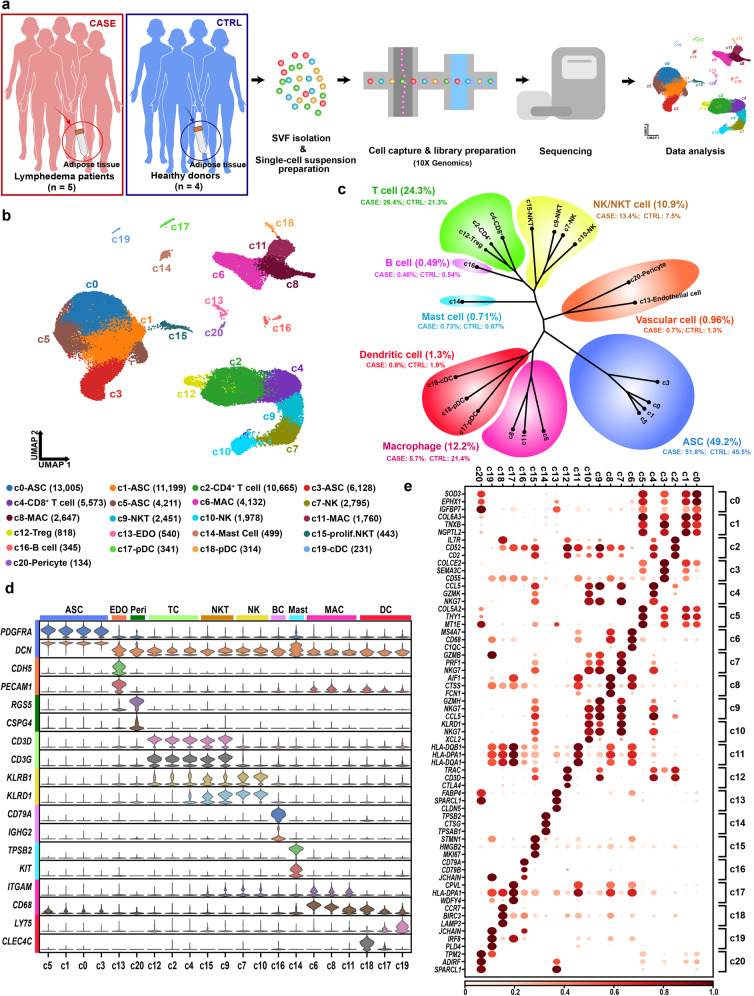
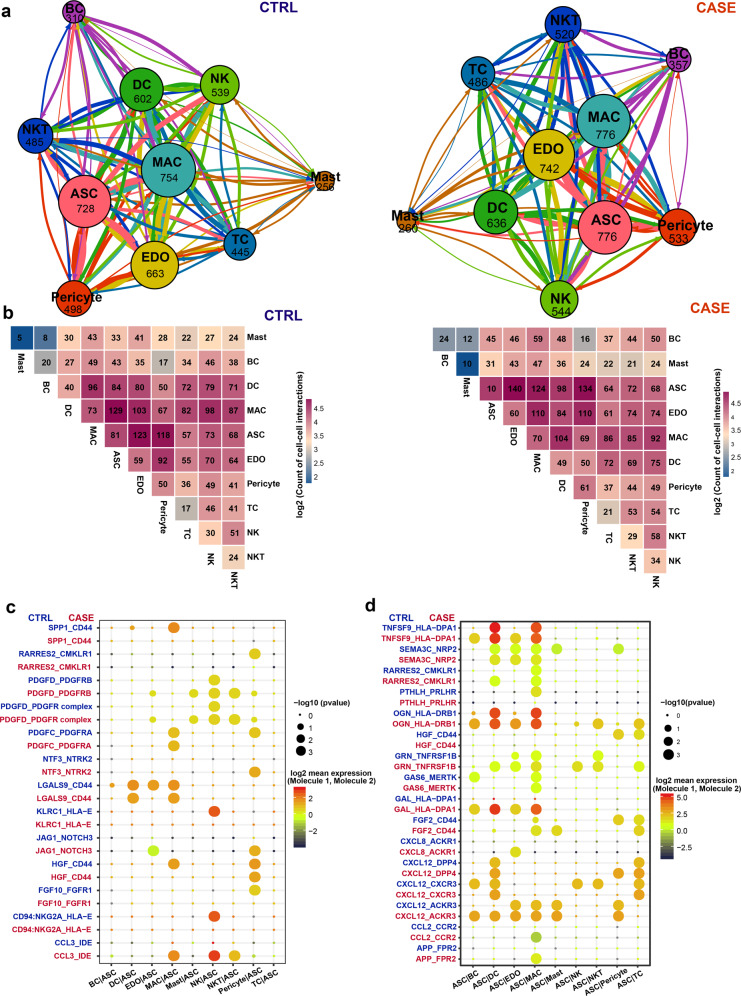
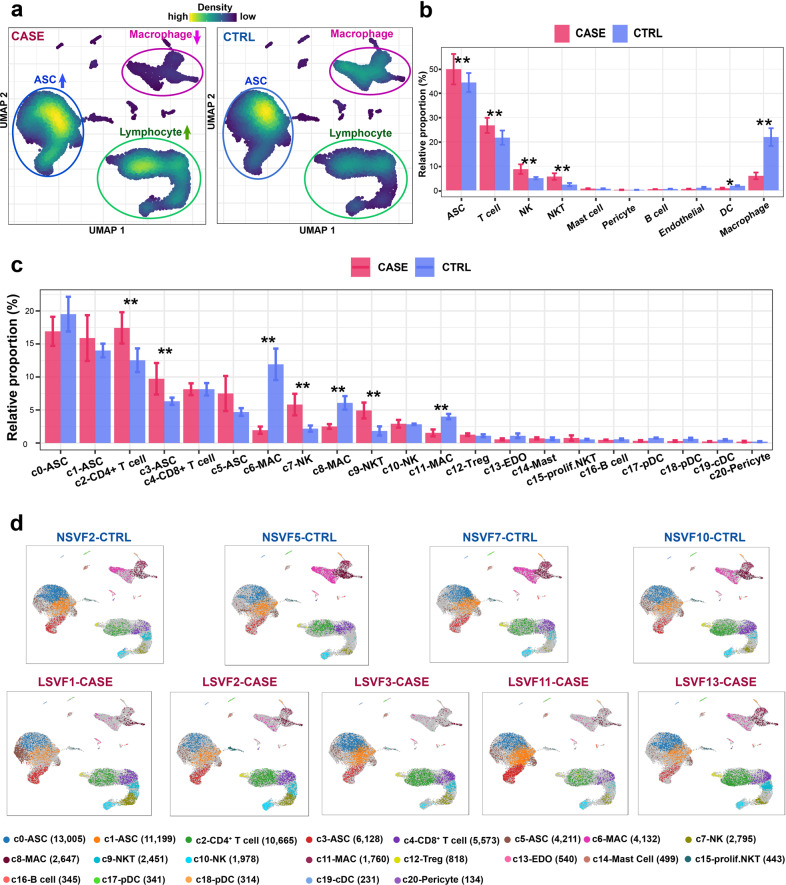
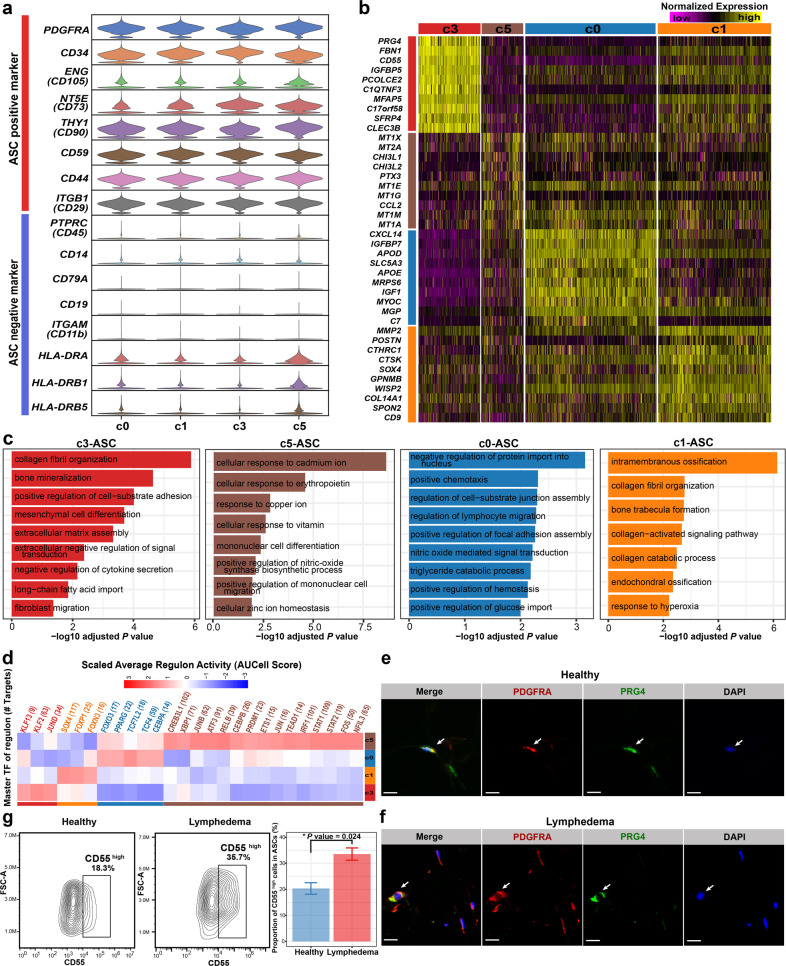
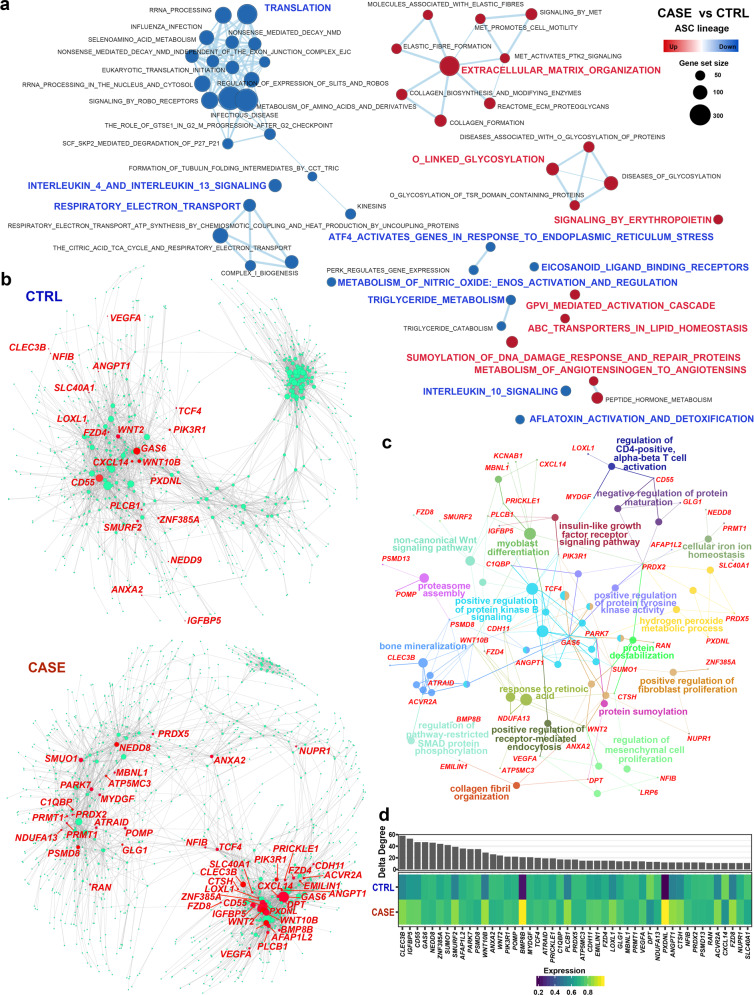
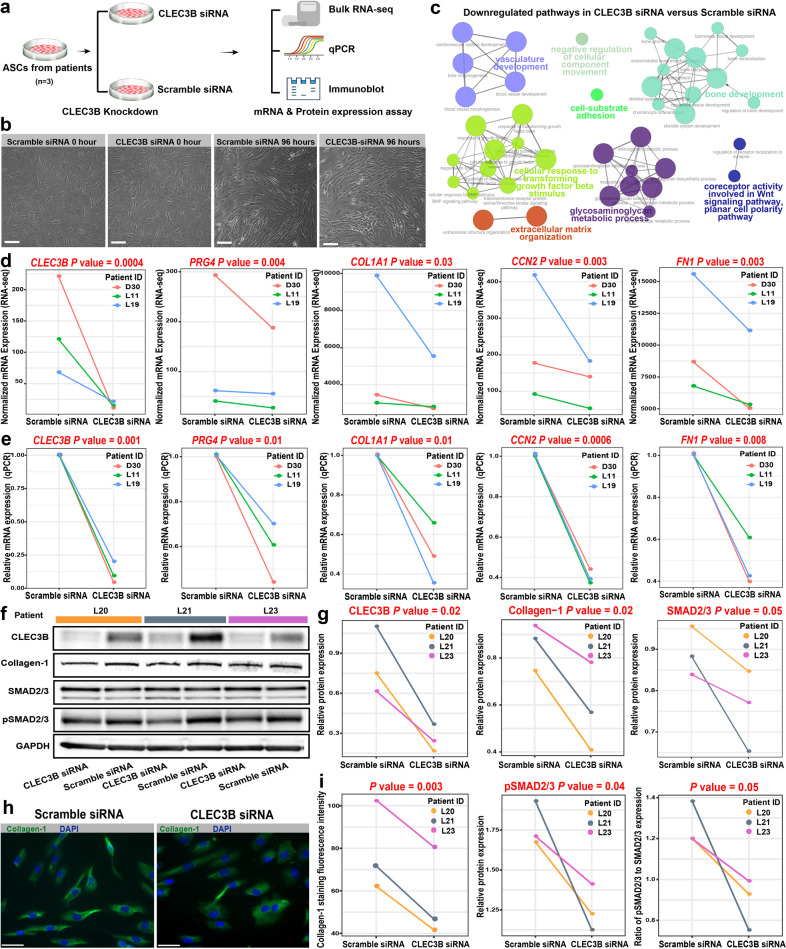
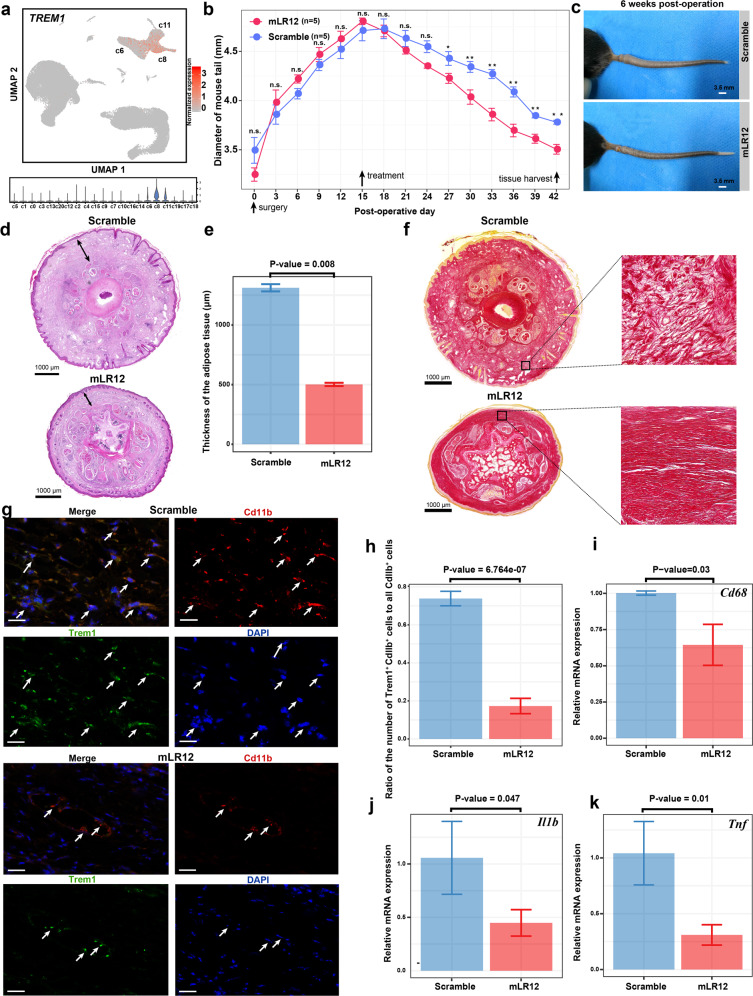
Cancer-associated lymphedema frequently occurs following lymph node resection for cancer treatment. However, we still lack effective targeted medical therapies for the treatment or prevention of this complication. An in-depth elucidation of the cellular alterations in subcutaneous adipose tissues of lymphedema is essential for medical development. We performed single-cell RNA sequencing of 70,209 cells of the stromal vascular fraction of adipose tissues from lymphedema patients and healthy donors. Four subpopulations of adipose-derived stromal cells (ASCs) were identified. Among them, the PRG4/CLEC3B ASC subpopulation c3 was significantly expanded in lymphedema and related to adipose tissue fibrosis. Knockdown of CLEC3B in vitro could significantly attenuate the fibrogenesis of ASCs from patients. Adipose tissues of lymphedema displayed a striking depletion of LYVE anti-inflammatory macrophages and exhibited a pro-inflammatory microenvironment. Pharmacological blockage of Trem1, an immune receptor predominantly expressed by the pro-inflammatory macrophages, using murine LR12, a dodecapeptide, could significantly alleviate lymphedema in a mouse tail model. Cell-cell communication analysis uncovered a perivascular ligand-receptor interaction module among ASCs, macrophages, and vascular endothelial cells. We provided a comprehensive analysis of the lineage-specific changes in the adipose tissues from lymphedema patients at a single-cell resolution. CLEC3B was found to be a potential target for alleviating adipose tissue fibrosis. Pharmacological blockage of TREM1 using LR12 could serve as a promising medical therapy for treating lymphedema.
癌症相关淋巴水肿常在癌症治疗的淋巴结切除术后发生。然而,我们仍缺乏有效的靶向药物疗法来治疗或预防这种并发症。深入阐明淋巴水肿皮下脂肪组织中的细胞改变对医学发展至关重要。我们对淋巴水肿患者和健康供体脂肪组织的基质血管成分中的70209个细胞进行了单细胞RNA测序。鉴定出了脂肪来源基质细胞(ASC)的四个亚群。其中,PRG4/CLEC3B ASC亚群c3在淋巴水肿中显著扩增且与脂肪组织纤维化相关。体外敲低CLEC3B可显著减弱患者ASC的纤维化形成。淋巴水肿的脂肪组织显示LYVE抗炎巨噬细胞显著减少,并呈现促炎微环境。使用十二肽鼠LR12对主要由促炎巨噬细胞表达的免疫受体Trem1进行药理阻断,可在小鼠尾部模型中显著减轻淋巴水肿。细胞间通讯分析揭示了ASC、巨噬细胞和血管内皮细胞之间的血管周围配体-受体相互作用模块。我们以单细胞分辨率对淋巴水肿患者脂肪组织中的谱系特异性变化进行了全面分析。发现CLEC3B是减轻脂肪组织纤维化的潜在靶点。使用LR12对TREM1进行药理阻断可作为治疗淋巴水肿的一种有前景的药物疗法。