Department of Experimental Medicine, University of Copenhagen, Copenhagen, Denmark.
Department of Veterinary Anatomy and Physiology, Egerton University, Njoro, Kenya.
J Comp Physiol A Neuroethol Sens Neural Behav Physiol. 2022 Jul;208(4):493-504. doi: 10.1007/s00359-022-01557-y. Epub 2022 Jun 22.
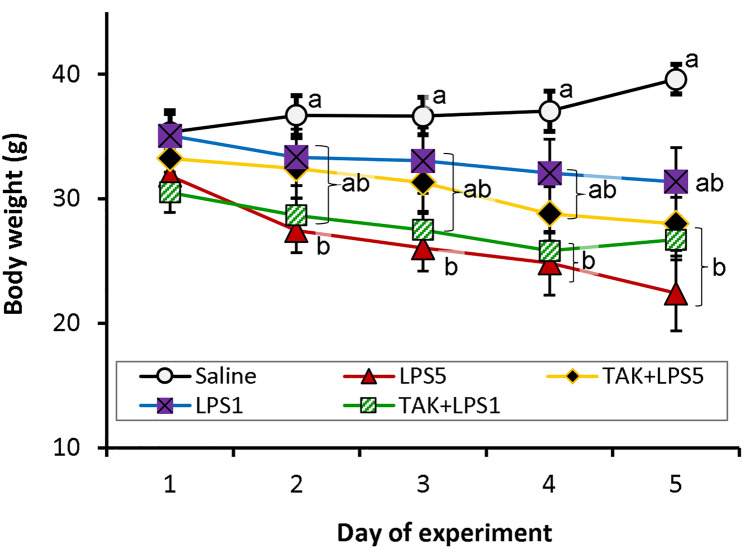
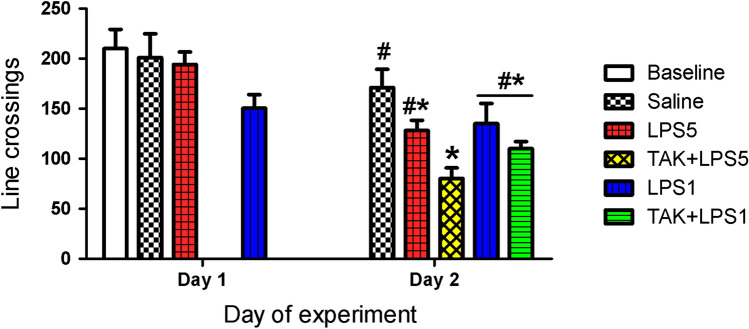
The naked mole rat has unique biologic characteristics that include atypical inflammatory responses. Lipopolysaccharide induces inflammation which triggers brain centers controlling feeding, and behavior to result in "sick animal behavior". We characterized the bodyweight, locomotor, and other behavioral responses of this rodent to lipopolysaccharide administration. Lipopolysaccharide caused weight losses, which were not prevented by TAK 242. In the open field test, lipopolysaccharide did not depress locomotion, while urination, defecation, and activity freezing were rare. The animals exhibited walling but not rearing and fast backward movements that were unaffected by lipopolysaccharide. Failure to depress locomotion suggests either a unique immunity-brain crosstalk or motor responses/centers that tolerate depressive effects of inflammation. The absence of activity freezing and rarity of urination and defecation suggests that novel environments or lipopolysaccharide do not induce anxiety, or that anxiety is expressed differently in the animal. The absence of rearing could be due to the design of the animal's locomotor apparatus while fast backward movement could be a mechanism for quick escape from threats in the tunnels of their habitat. Our results elucidate the unique biology of this rodent, which elicits interest in the animal as a model for inflammatory research, although the findings require mechanistic corroborations.
裸鼹鼠具有独特的生物学特性,包括非典型的炎症反应。脂多糖诱导炎症,触发控制进食和行为的大脑中枢,导致“患病动物行为”。我们描述了这种啮齿动物对脂多糖给药的体重、运动和其他行为反应。脂多糖导致体重下降,TAK 242 不能预防。在旷场试验中,脂多糖不会抑制运动,而排尿、排便和活动冻结很少见。动物表现出壁咚,但不会出现后空翻和快速后退运动,而这些运动不受脂多糖的影响。运动不受抑制表明,要么是独特的免疫-大脑相互作用,要么是运动反应/中枢能够耐受炎症的抑制作用。缺乏活动冻结以及排尿和排便罕见表明,新环境或脂多糖不会引起焦虑,或者焦虑在动物中表现不同。后空翻的缺乏可能是由于动物运动装置的设计,而快速后退运动可能是其在栖息地隧道中快速逃避威胁的一种机制。我们的研究结果阐明了这种啮齿动物的独特生物学特性,这使得该动物作为炎症研究的模型引起了人们的兴趣,尽管这些发现需要机制上的证实。