College of Forensic Medicine, Xi'an Jiaotong University Health Science Center, Xi'an, Shaanxi, 710061, P R China.
The Key Laboratory of Health Ministry for Forensic Science, Xi'an Jiaotong University, Xi'an, Shaanxi, 710061, P R China.
Mol Psychiatry. 2022 Oct;27(10):4009-4022. doi: 10.1038/s41380-022-01662-z. Epub 2022 Jun 22.
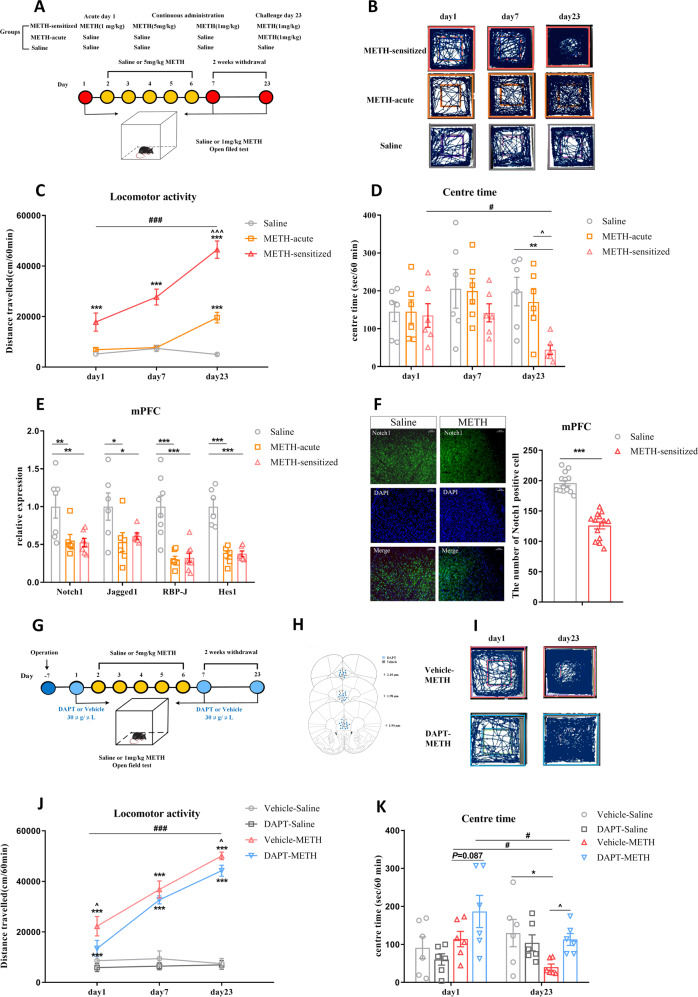
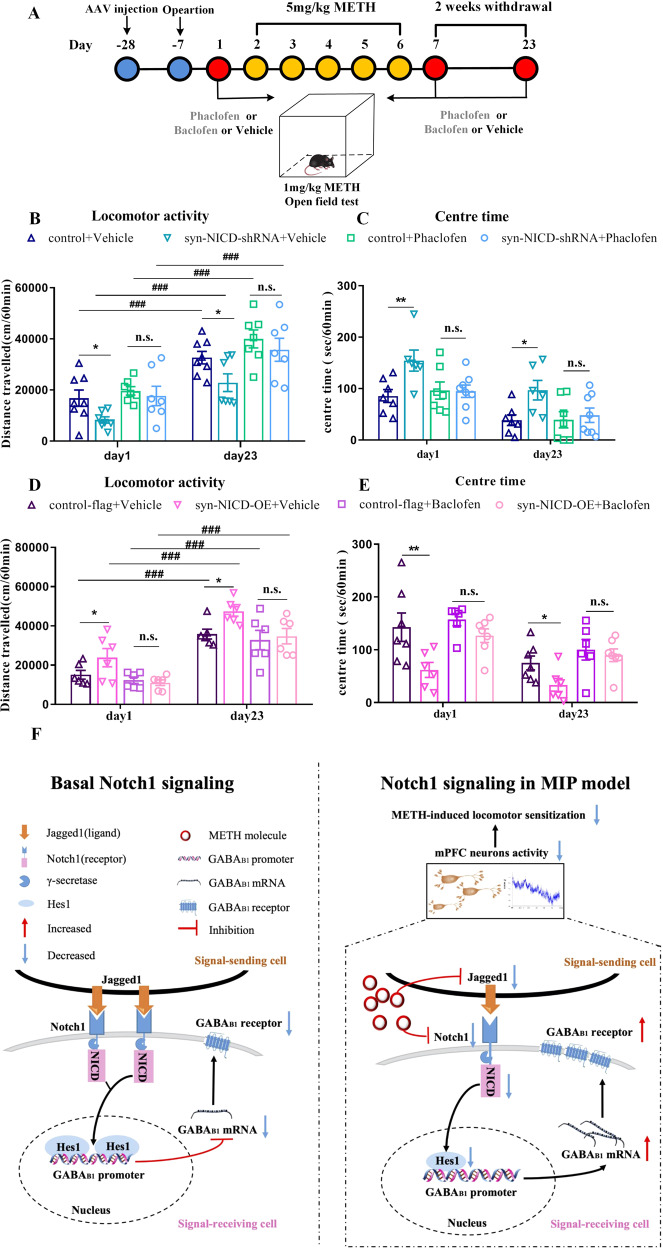
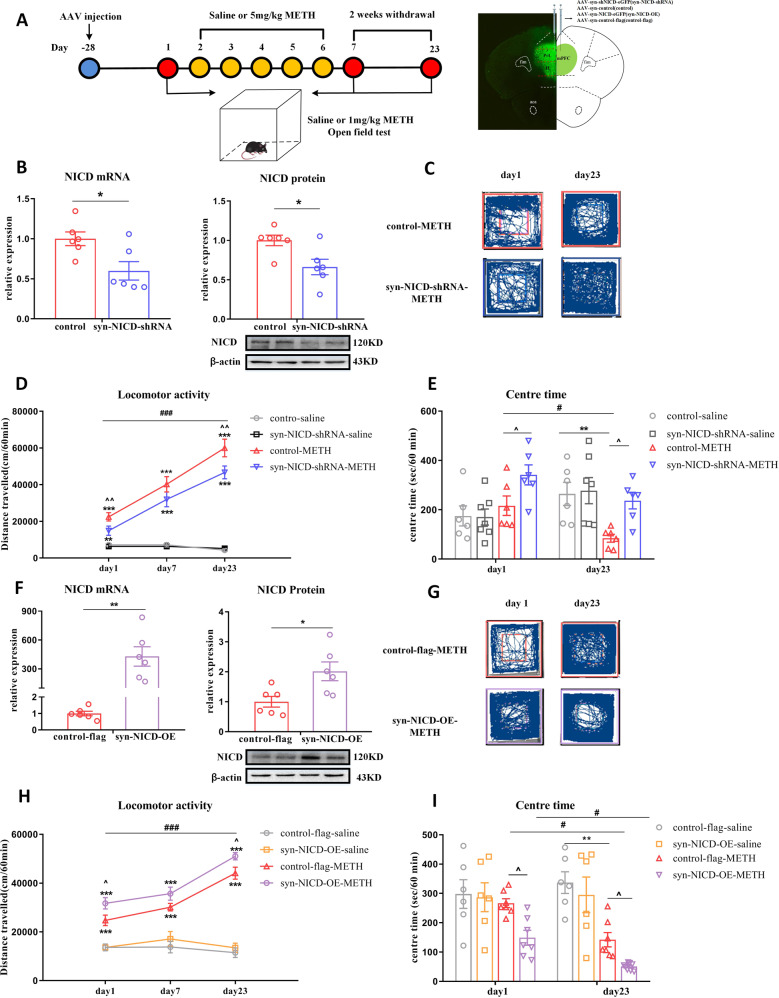
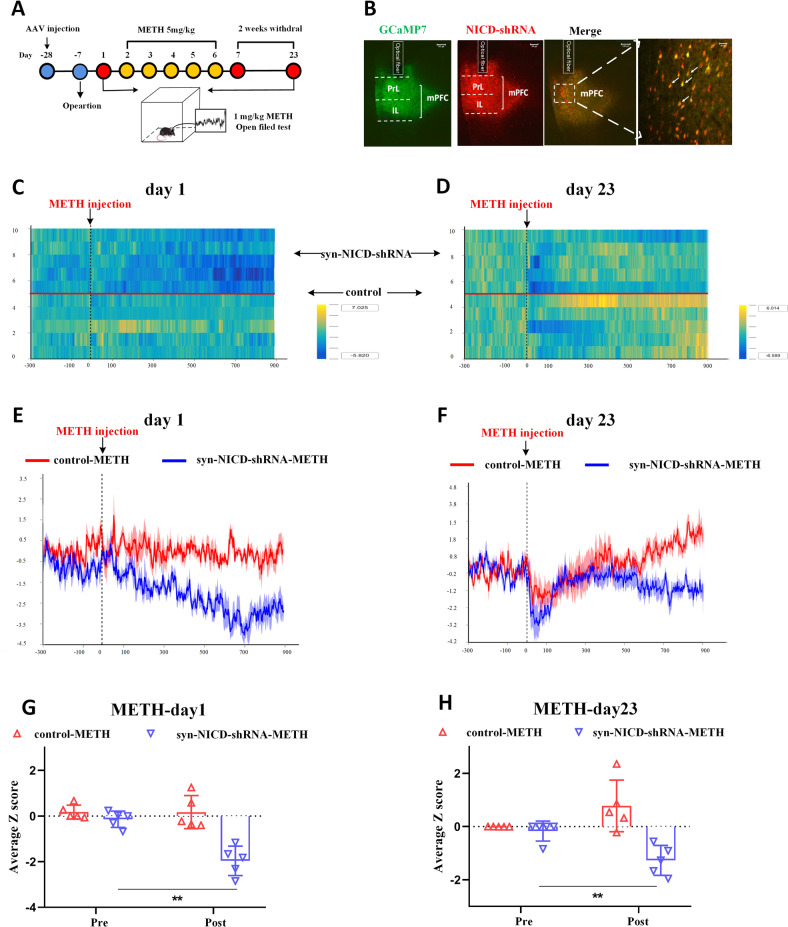
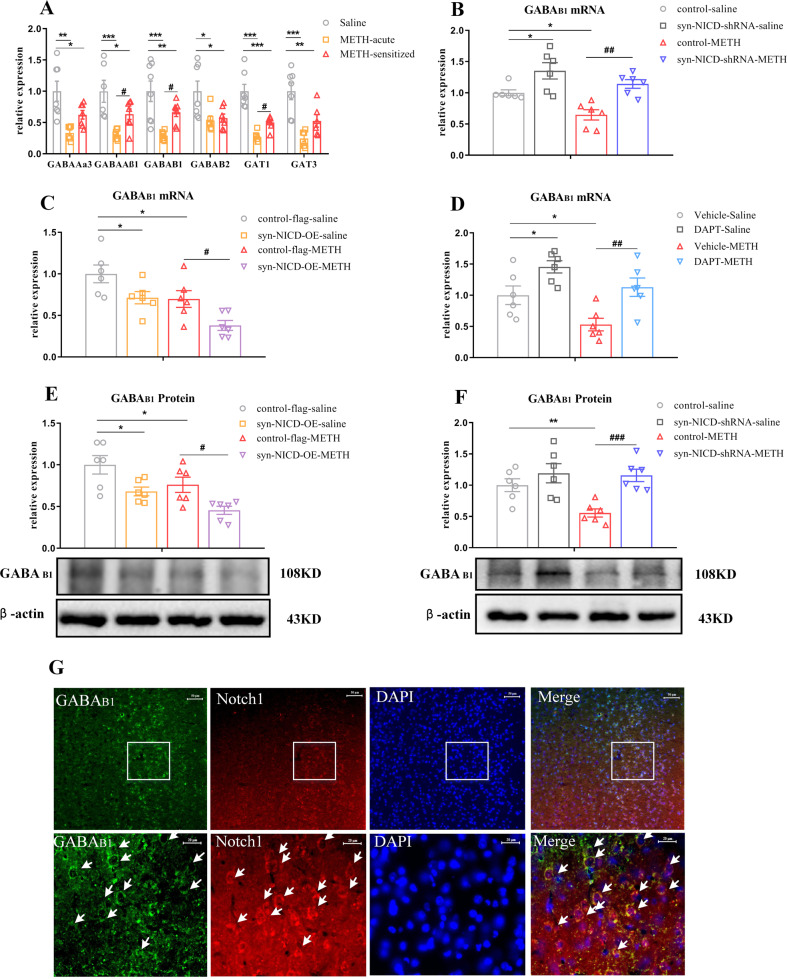
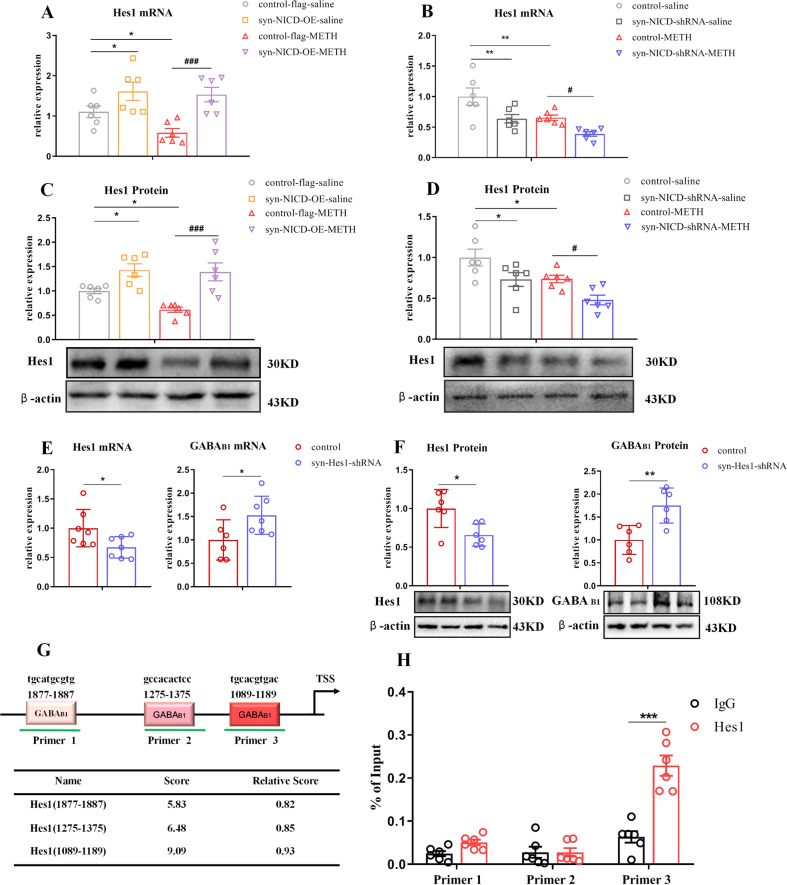
Methamphetamine (METH), a widely abused stimulant drug, induces psychosis in approximately half of abusers; this effect is becoming a major concern for society. Although the Notch1 signalling pathway has been shown to play a part in the pathogenesis of some psychiatric disorders, its role in METH-induced psychosis (MIP) is still unknown. Here, the METH-induced locomotor sensitization model in rodents is considered to represent the underlying neurochemical changes driving psychoses. We found that the Notch1 signalling was downregulated in the medial prefrontal cortex (mPFC) in sensitized mice. Direct genetic and pharmacological manipulations of Notch1 signalling bidirectionally altered METH-induced locomotor sensitization and other MIP-related behaviours through governing neuronal activity in the mPFC. Moreover, Notch1 signalling negatively regulated GABA receptor expression in the mPFC of METH-sensitized mice through Hes1, a transcriptional repressor in Notch1 signalling. Further, we show that Hes1 can directly bind to the GABA receptor promoter. Notably, pharmacological regulation of the GABA receptor in the mPFC reversed the changes in METH-induced locomotor sensitization caused by the dysfunction of Notch1 signalling. Together, our findings uncover a previously unrecognised Notch1-Hes1-GABA receptor-dependent mechanism involved in regulating mPFC neuronal activity and behavioural phenotypes in MIP. Our work provides mechanistic insight into the aetiology and pathophysiology of MIP.
甲基苯丙胺(METH)是一种广泛滥用的兴奋剂药物,约有一半的使用者会出现精神病;这种效果正成为社会的主要关注点。尽管 Notch1 信号通路已被证明在某些精神疾病的发病机制中起作用,但它在 METH 诱导的精神病(MIP)中的作用仍不清楚。在这里,啮齿动物的 METH 诱导的运动敏化模型被认为代表了驱动精神病的潜在神经化学变化。我们发现,敏化小鼠的内侧前额叶皮层(mPFC)中 Notch1 信号下调。 Notch1 信号的直接遗传和药理学操作通过调节 mPFC 中的神经元活动,双向改变了 METH 诱导的运动敏化和其他与 MIP 相关的行为。此外, Notch1 信号通过 Hes1( Notch1 信号中的转录抑制剂)负调节 mPFC 中 GABA 受体的表达。进一步的研究表明, Hes1 可以直接与 GABA 受体启动子结合。值得注意的是,mPFC 中 GABA 受体的药理学调节可以逆转 Notch1 信号功能障碍引起的 METH 诱导的运动敏化变化。总之,我们的研究结果揭示了一种以前未被识别的 Notch1-Hes1-GABA 受体依赖性机制,该机制参与调节 MIP 中的 mPFC 神经元活动和行为表型。我们的工作为 MIP 的病因和发病机制提供了机制上的见解。