Ishimwe Jeanne A, Breier Nicholas, Saleem Mohammad, Kastner Paul D, Kirabo Annet, Shibao Cyndya A
Division of Clinical Pharmacology, Department of Medicine Vanderbilt University Medical Center and Department of Molecular Physiology and Biophysics, Vanderbilt University, Nashville, TN, United States.
Front Physiol. 2022 Jun 2;13:879012. doi: 10.3389/fphys.2022.879012. eCollection 2022.
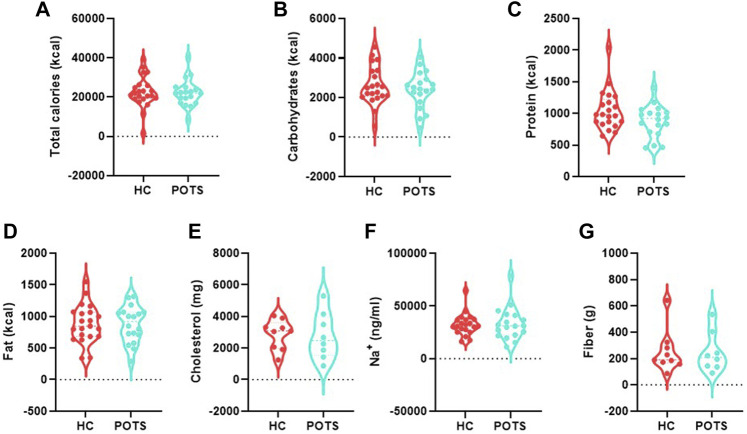
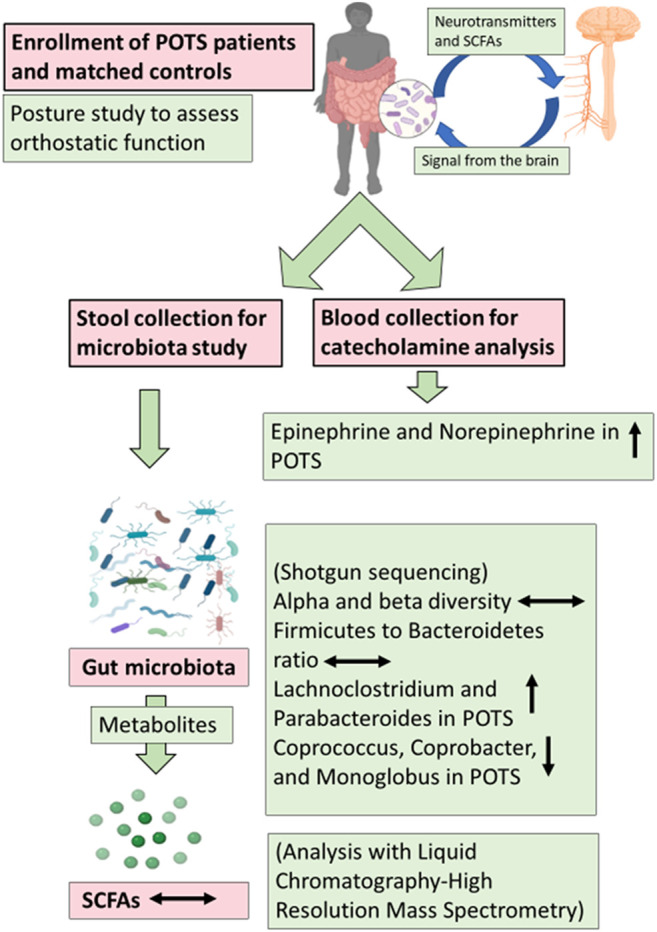
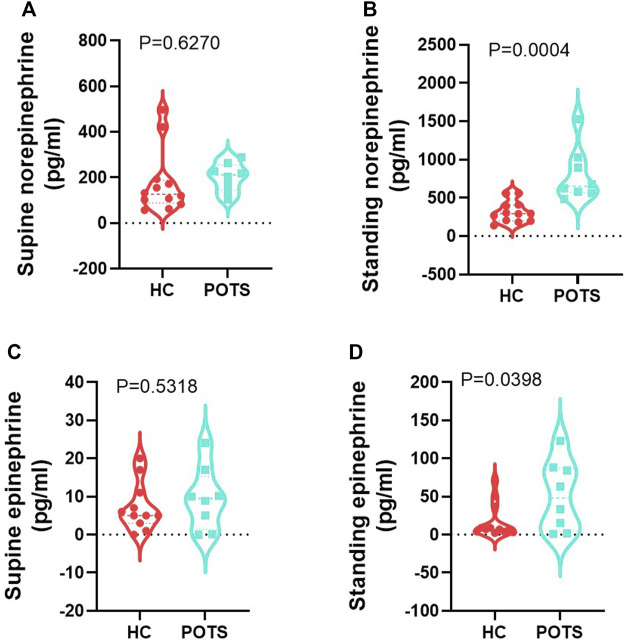
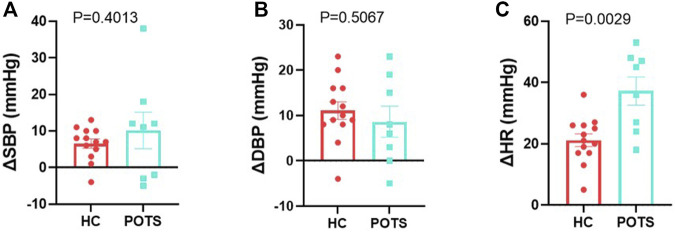
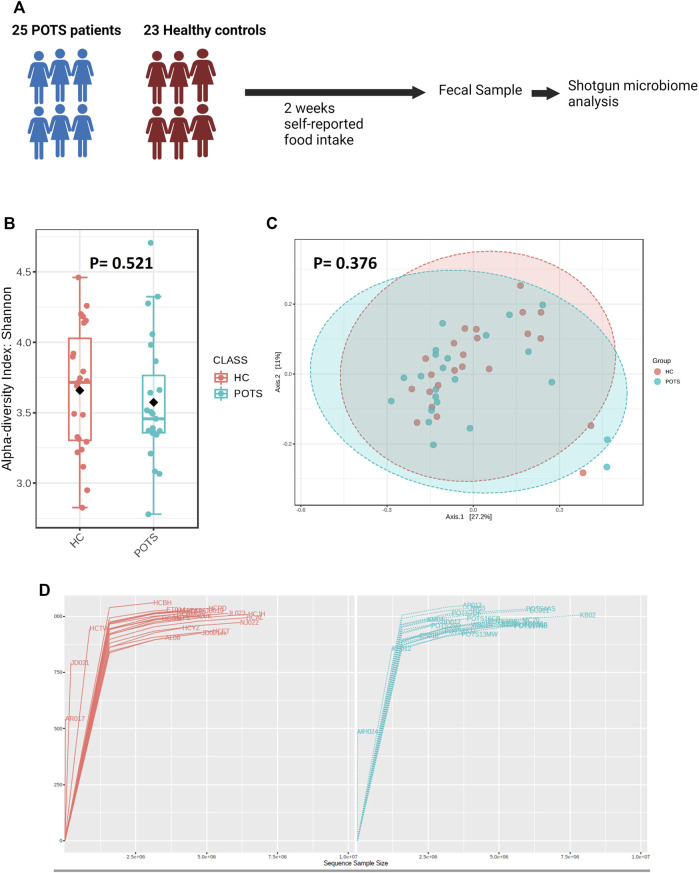
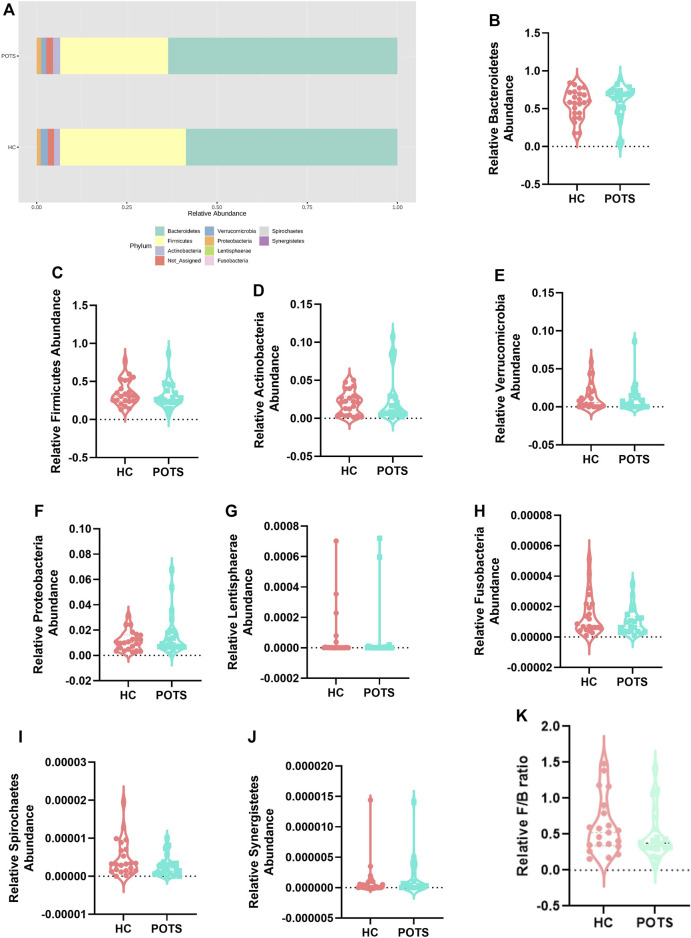
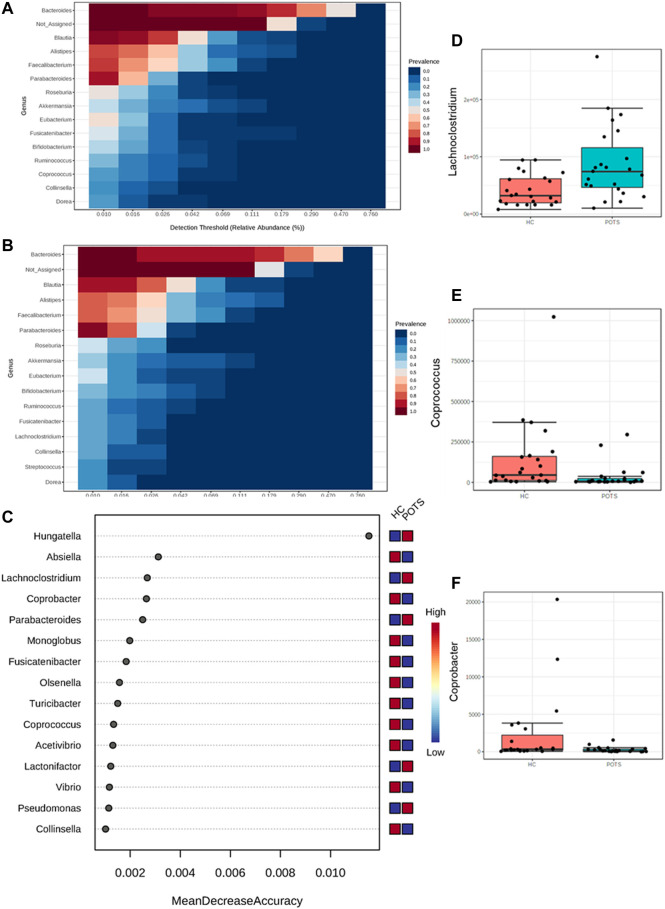
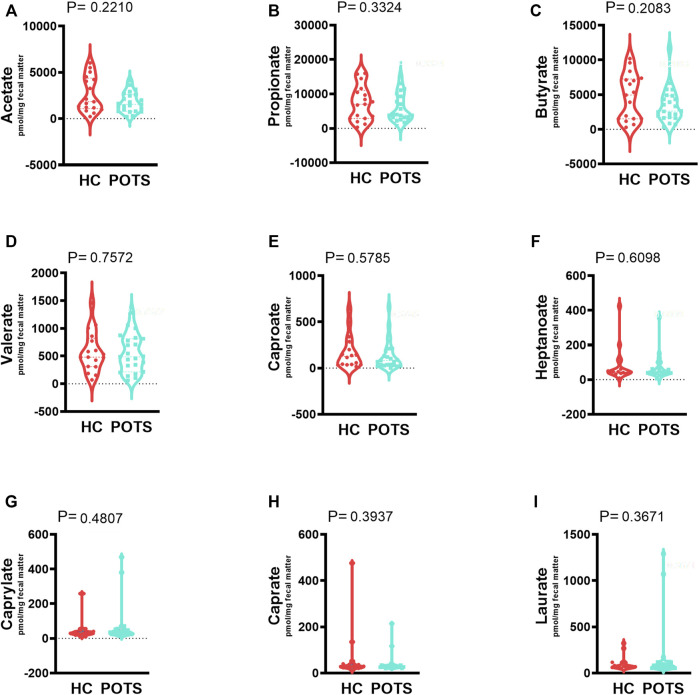
Postural orthostatic tachycardia syndrome (POTS) is a devastating chronic form of orthostatic intolerance associated with excessive heart rate increase without hypotension during upright posture. POTS patients exhibit increased circulating norepinephrine levels with exaggerated sympathetic nervous system response upon standing. Emerging evidence suggests a role for the gut microbiome in cardiovascular disorders. However, the etiology of POTS and whether the gut microbiome plays a role are not fully elucidated. We assessed whether the gut microbiome and fecal short-chain fatty acids were different in POTS patients ( = 25) compared to healthy control ( = 23) women. Patients underwent hemodynamic measurements while supine and upon standing. Fecal samples were collected and analyzed using shotgun sequencing and Liquid Chromatography-High Resolution Mass Spectrometry and dietary habits were measured with a fitness application. We found that POTS patients in the standing position had higher circulating norepinephrine and epinephrine levels and increased heart rate. There were no differences in diet composition between groups. Of note dietary salt intake was also similar despite the fact that these patients are advised to consume a high salt diet. Alpha and beta diversity were similar between groups. We observed no differences in bacteria at the phylum levels or Firmicutes to Bacteroidetes ratio. We found no significant differences at the genus level, but observed trends in certain bacteria. genus were higher in POTS when compared to the control group. On the other hand, and , were lower in POTS patients compared to controls. Although our KEGG metabolic pathways indicated differences related to short-chain fatty acids (SCFAs), we found that both POTS patients and healthy controls had similar levels of SCFAs. These results suggest POTs per se may have limited effects on gut microbiota composition and derived SCFAs. Further studies are needed to assess the role of the alterations observed at the genus level.
体位性直立性心动过速综合征(POTS)是一种严重的慢性直立不耐受形式,与直立姿势时心率过度增加且无低血压有关。POTS患者站立时循环去甲肾上腺素水平升高,交感神经系统反应过度。新出现的证据表明肠道微生物群在心血管疾病中起作用。然而,POTS的病因以及肠道微生物群是否起作用尚未完全阐明。我们评估了POTS患者(n = 25)与健康对照女性(n = 23)相比,肠道微生物群和粪便短链脂肪酸是否存在差异。患者在仰卧位和站立时进行血流动力学测量。收集粪便样本,使用鸟枪法测序和液相色谱 - 高分辨率质谱进行分析,并通过健身应用程序测量饮食习惯。我们发现,站立位的POTS患者循环去甲肾上腺素和肾上腺素水平较高,心率增加。两组之间的饮食组成没有差异。值得注意的是,尽管建议这些患者食用高盐饮食,但饮食盐摄入量也相似。两组之间的α和β多样性相似。我们在门水平或厚壁菌门与拟杆菌门的比例上未观察到细菌差异。我们在属水平上未发现显著差异,但观察到某些细菌的趋势。与对照组相比,POTS患者中[具体菌属1]属较高。另一方面,与对照组相比,POTS患者中[具体菌属2]和[具体菌属3]较低。尽管我们的KEGG代谢途径表明与短链脂肪酸(SCFAs)相关存在差异,但我们发现POTS患者和健康对照的SCFAs水平相似。这些结果表明,POTS本身可能对肠道微生物群组成和衍生的SCFAs影响有限。需要进一步研究来评估在属水平观察到的改变的作用。