Diagnostic and Interventional Radiology Unit, IRCCS Istituto Ortopedico Rizzoli, Via Pupilli 1, 40136 Bologna, Italy.
Curr Oncol. 2022 Jun 7;29(6):4155-4177. doi: 10.3390/curroncol29060332.
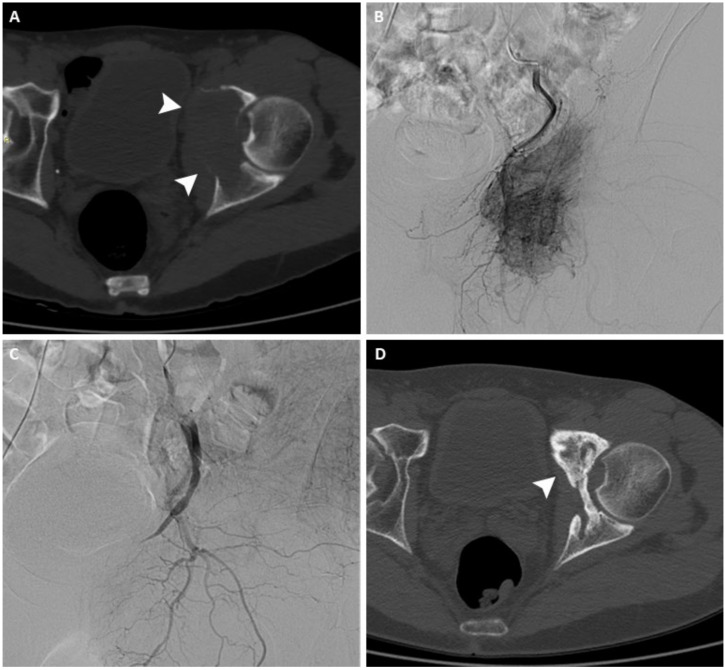
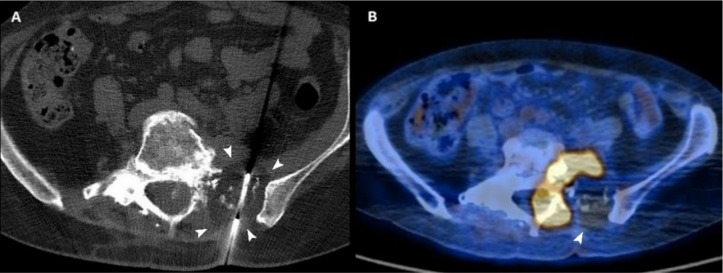
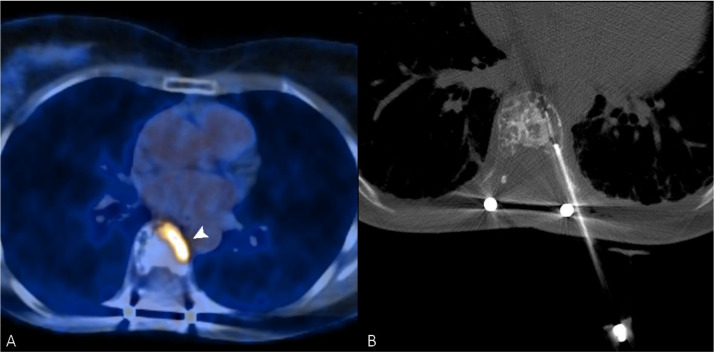
Metastases are the main type of malignancy involving bone, which is the third most frequent site of metastatic carcinoma, after lung and liver. Skeletal-related events such as intractable pain, spinal cord compression, and pathologic fractures pose a serious burden on patients' quality of life. For this reason, mini-invasive treatments for the management of bone metastases were developed with the goal of pain relief and functional status improvement. These techniques include embolization, thermal ablation, electrochemotherapy, cementoplasty, and MRI-guided high-intensity focused ultrasound. In order to achieve durable pain palliation and disease control, mini-invasive procedures are combined with chemotherapy, radiation therapy, surgery, or analgesics. The purpose of this review is to summarize the recently published literature regarding interventional radiology procedures in the treatment of cancer patients with bone metastases, focusing on the efficacy, complications, local disease control and recurrence rate.
转移是涉及骨骼的主要恶性肿瘤类型,是继肺和肝之后转移性癌的第三大常见部位。骨骼相关事件,如难以控制的疼痛、脊髓压迫和病理性骨折,严重影响患者的生活质量。因此,开发了微创治疗骨转移的方法,旨在缓解疼痛和改善功能状态。这些技术包括栓塞、热消融、电化学疗法、骨水泥成形术和 MRI 引导高强度聚焦超声。为了实现持久的疼痛缓解和疾病控制,微创治疗与化疗、放疗、手术或镇痛药联合应用。本文的目的是总结最近发表的关于介入放射学治疗癌症骨转移患者的文献,重点关注疗效、并发症、局部疾病控制和复发率。