MRC Human Genetics Unit, Institute of Genetics and Cancer, University of Edinburgh, Edinburgh, United Kingdom.
Cancer Research UK Edinburgh Centre, Institute of Genetics and Cancer, University of Edinburgh, Edinburgh, United Kingdom.
Elife. 2022 Jun 23;11:e77987. doi: 10.7554/eLife.77987.
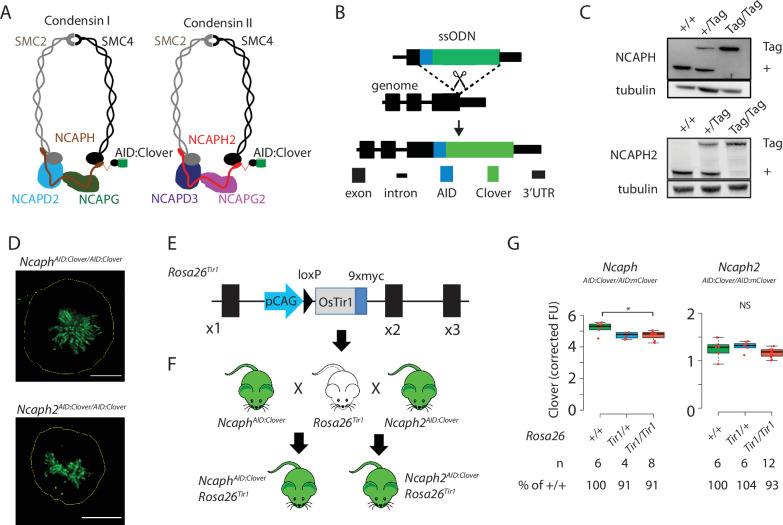
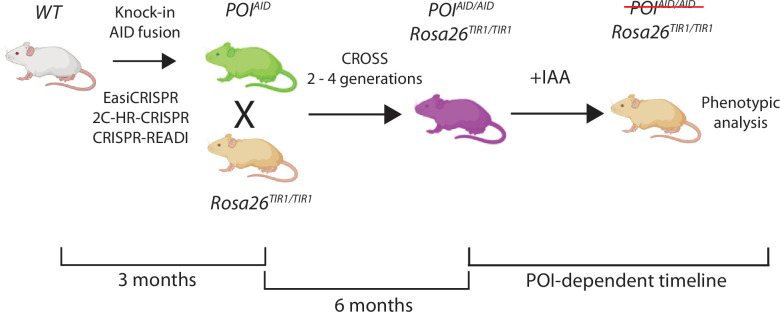
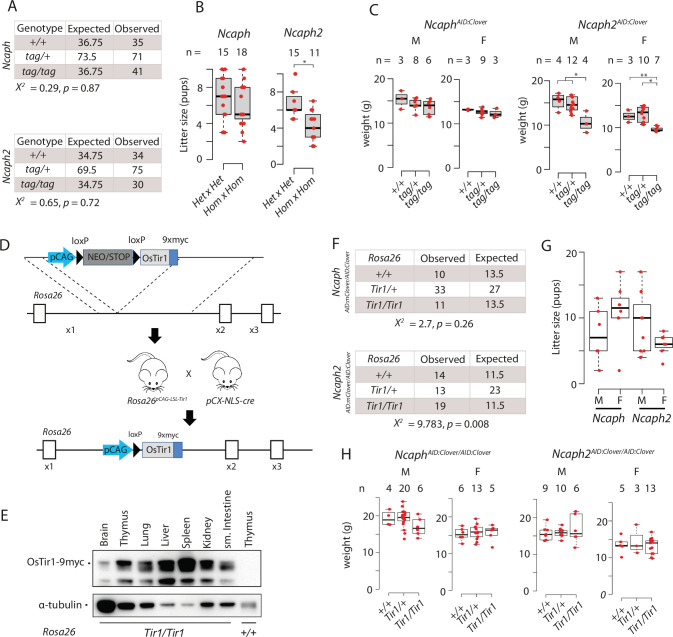
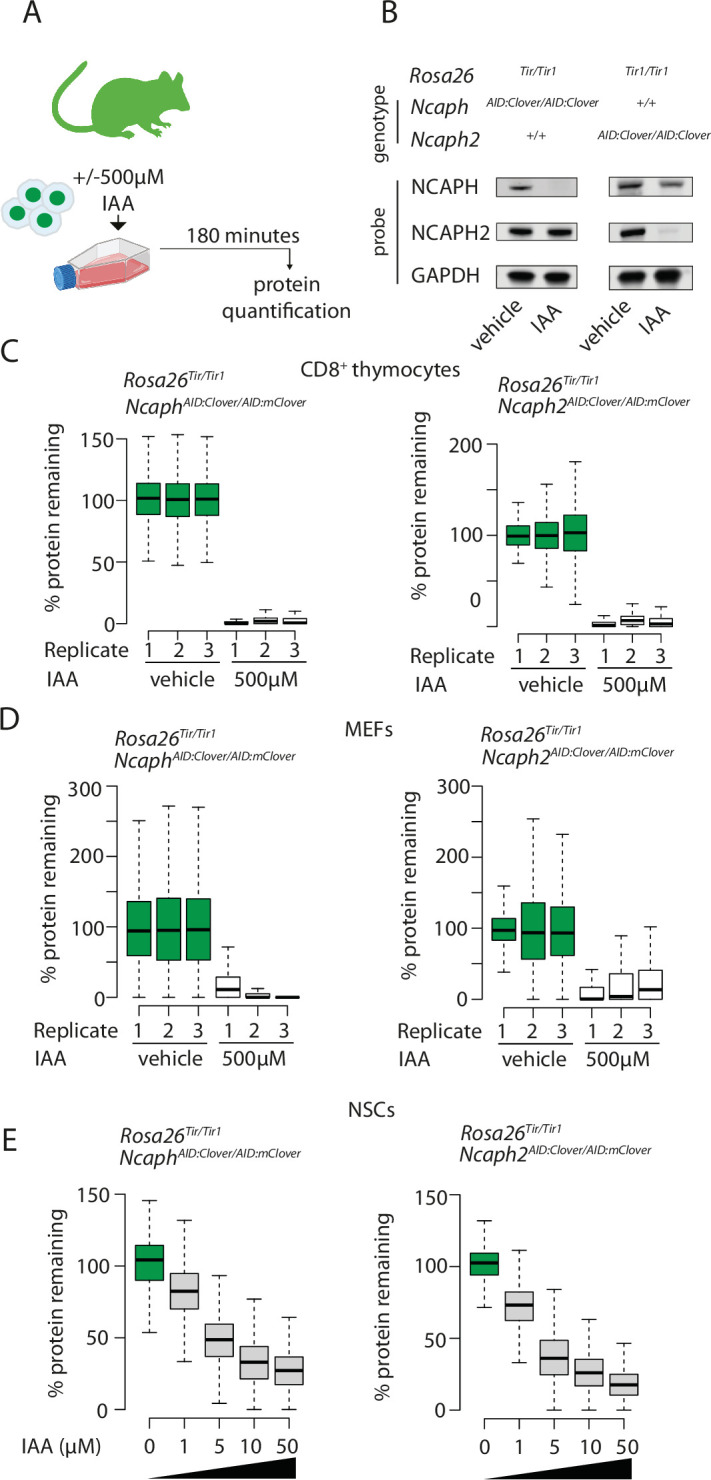
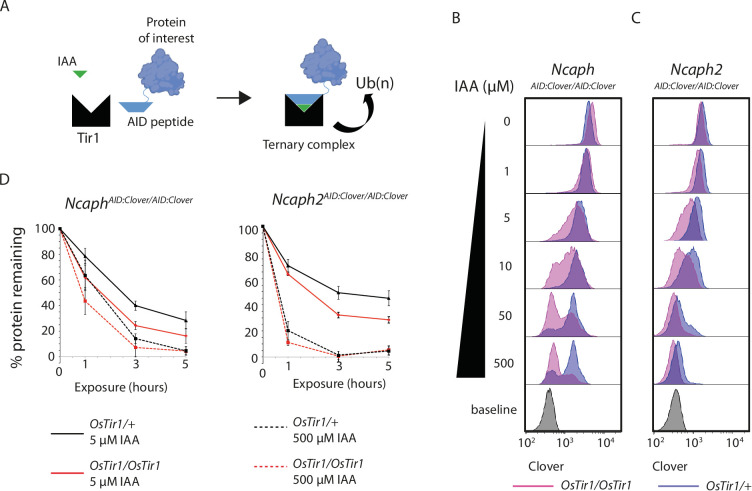
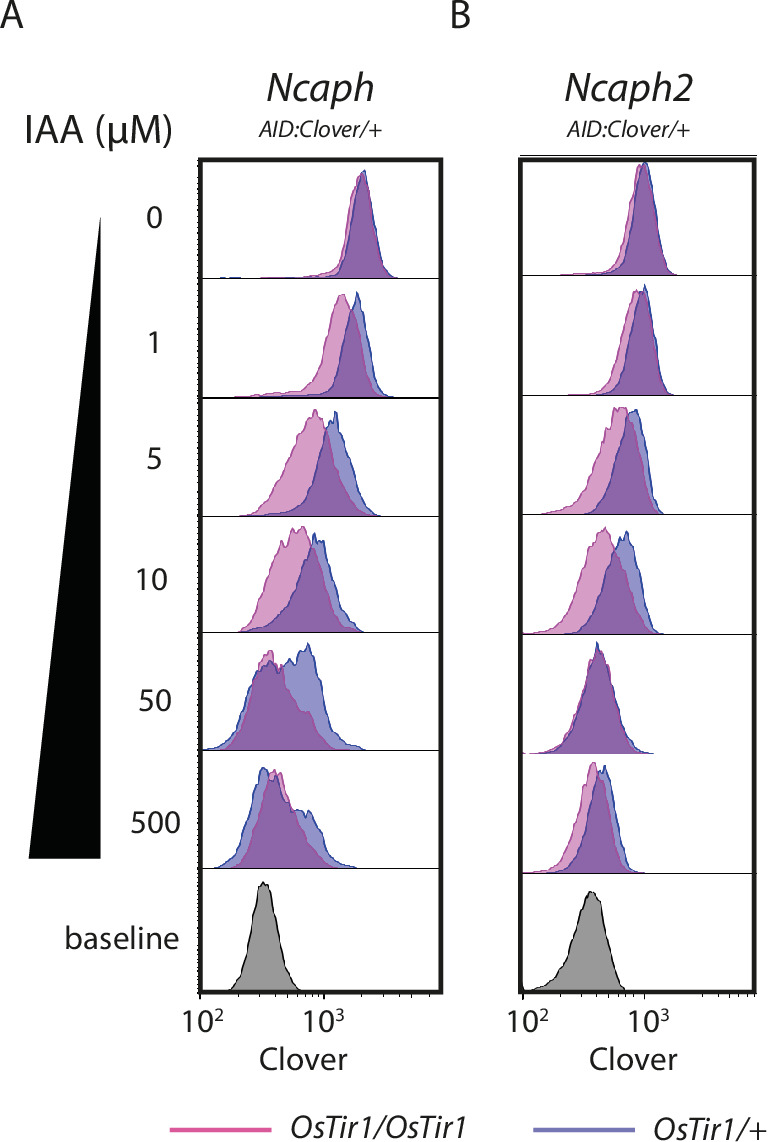
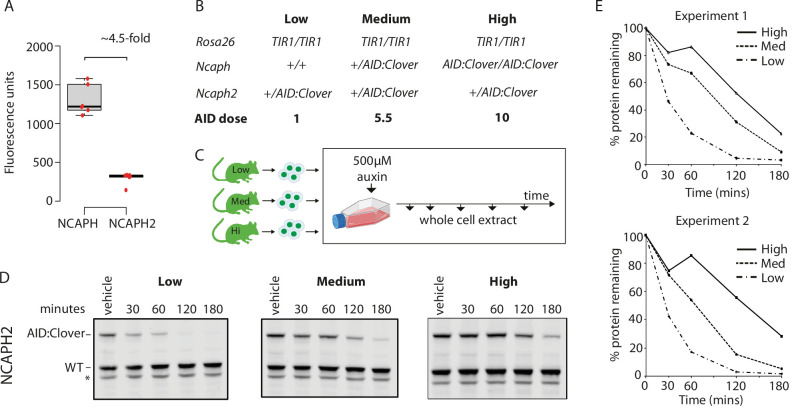
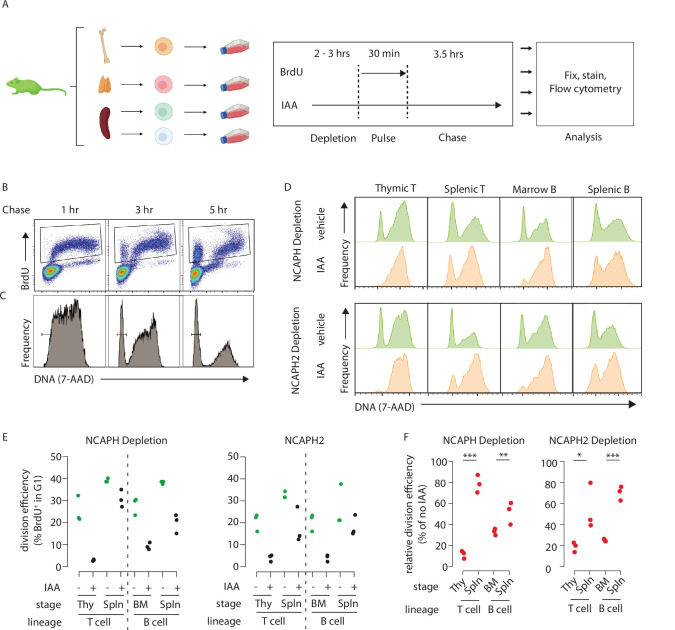
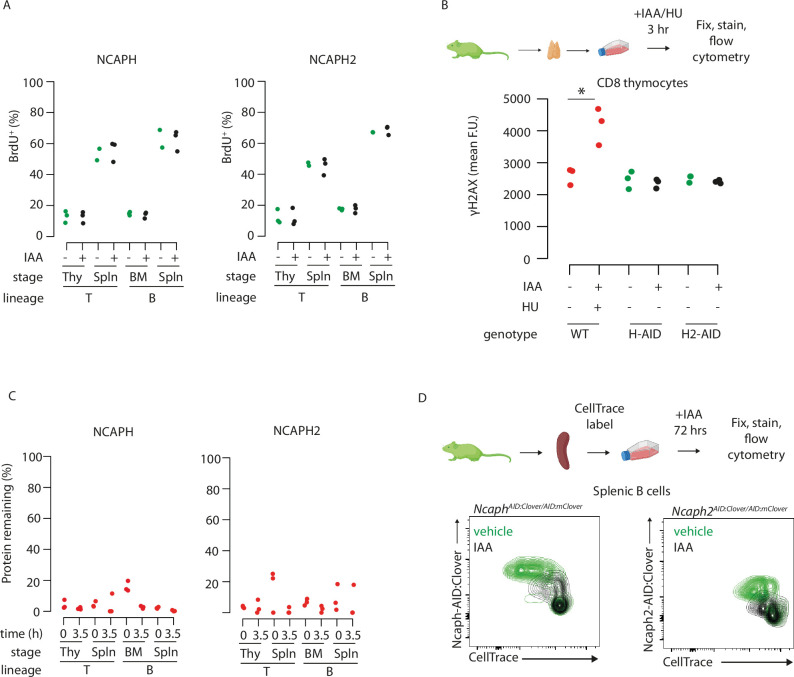
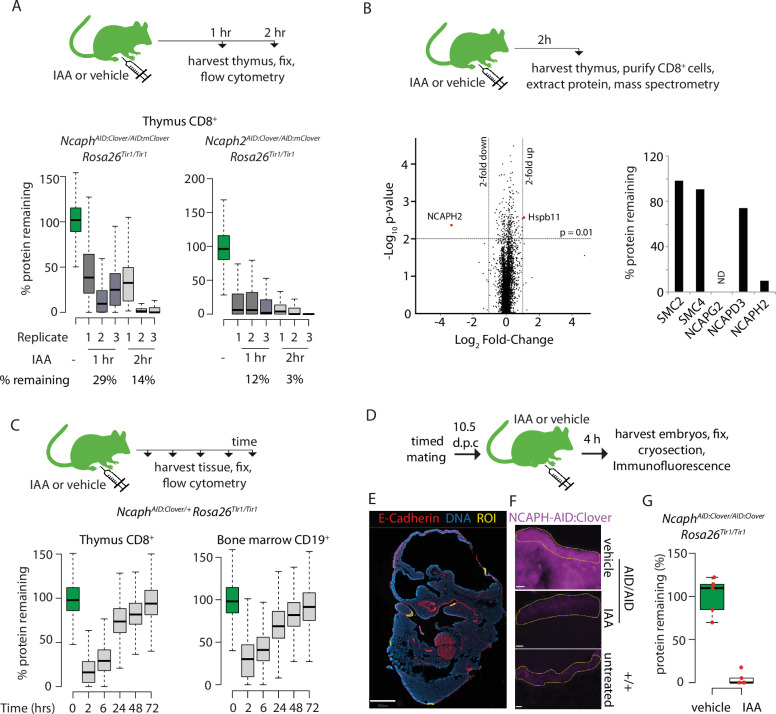
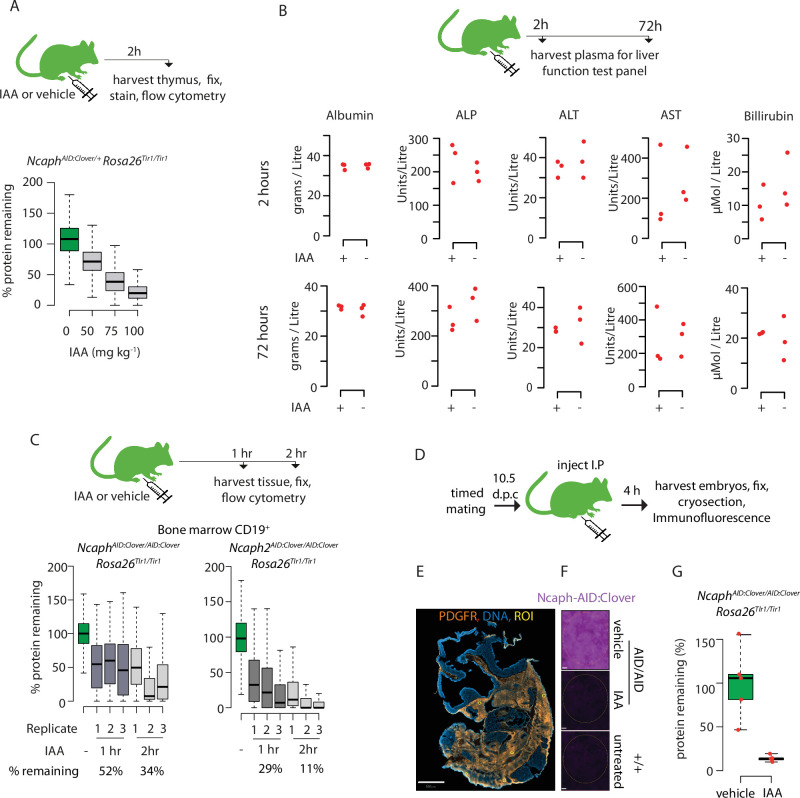
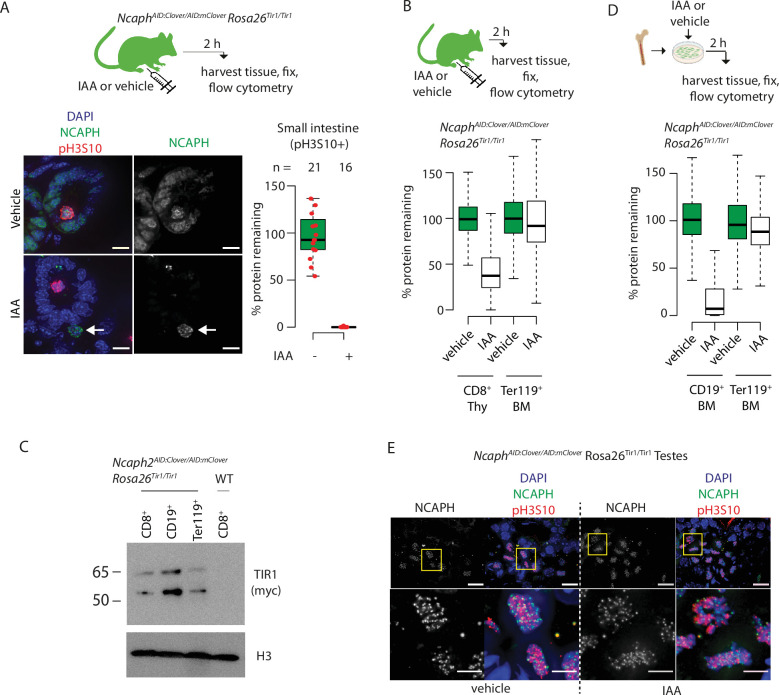
Auxin-inducible degrons are a chemical genetic tool for targeted protein degradation and are widely used to study protein function in cultured mammalian cells. Here, we develop CRISPR-engineered mouse lines that enable rapid and highly specific degradation of tagged endogenous proteins in vivo. Most but not all cell types are competent for degradation. By combining ligand titrations with genetic crosses to generate animals with different allelic combinations, we show that degradation kinetics depend upon the dose of the tagged protein, ligand, and the E3 ligase substrate receptor TIR1. Rapid degradation of condensin I and II - two essential regulators of mitotic chromosome structure - revealed that both complexes are individually required for cell division in precursor lymphocytes, but not in their differentiated peripheral lymphocyte derivatives. This generalisable approach provides unprecedented temporal control over the dose of endogenous proteins in mouse models, with implications for studying essential biological pathways and modelling drug activity in mammalian tissues.
激素诱导降解结构域是一种用于靶向蛋白质降解的化学遗传学工具,广泛用于在培养的哺乳动物细胞中研究蛋白质功能。在这里,我们开发了 CRISPR 工程化的小鼠品系,可在体内快速且高度特异性地降解标记的内源性蛋白质。大多数(但不是全部)细胞类型都具有降解能力。通过结合配体滴定和遗传杂交来生成具有不同等位基因组合的动物,我们表明降解动力学取决于标记蛋白、配体和 E3 连接酶底物受体 TIR1 的剂量。对有丝分裂染色体结构的两个重要调节剂——着丝粒蛋白 I 和 II 的快速降解表明,这两个复合物在前体淋巴细胞的细胞分裂中是单独需要的,但在其分化的外周淋巴细胞衍生物中则不需要。这种可推广的方法为在小鼠模型中对内源性蛋白质的剂量进行前所未有的时间控制提供了可能,这对于研究基本的生物学途径和模拟哺乳动物组织中的药物活性具有重要意义。