Guan Siwei, Zhao Binjie, Dong Zhekang, Gao Mingyu, He Zhiwei
School of Electronic and Information, Hangzhou Dianzi University, Hangzhou 310018, China.
Entropy (Basel). 2022 May 27;24(6):759. doi: 10.3390/e24060759.
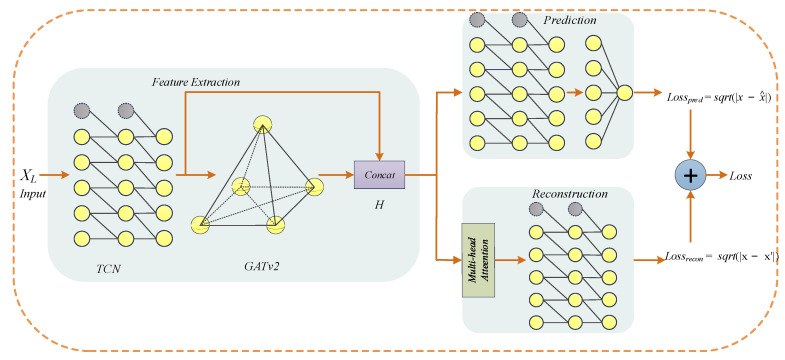
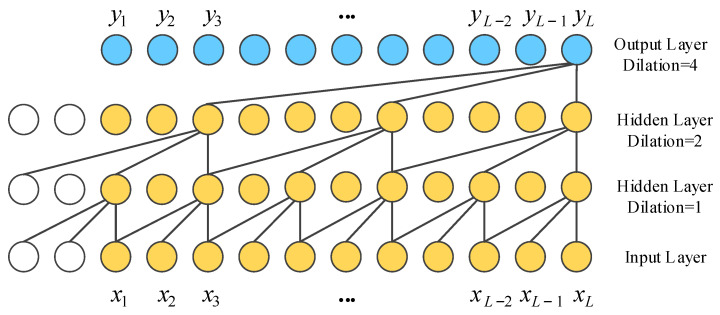
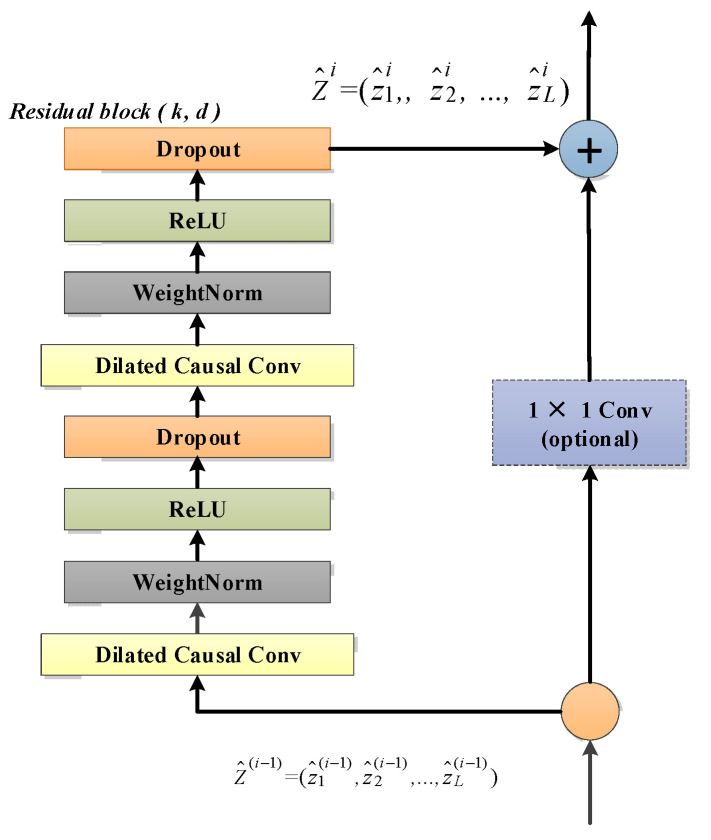
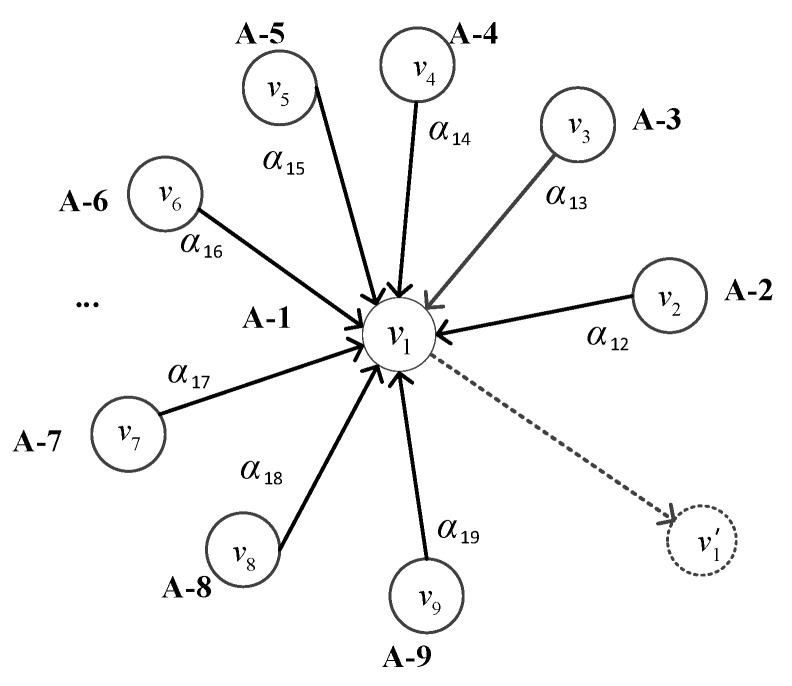
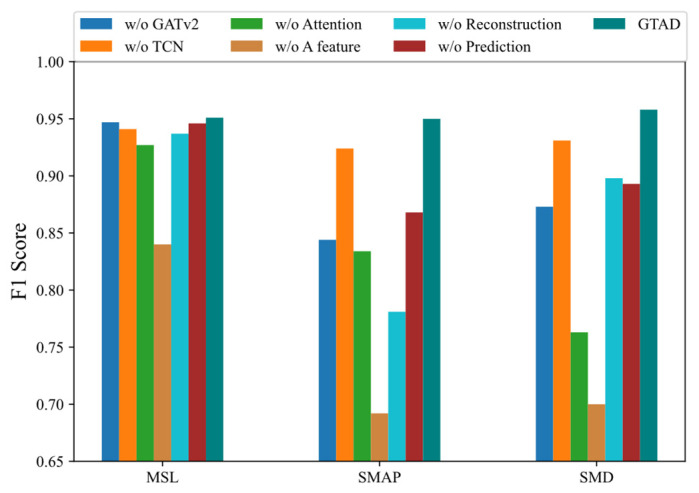
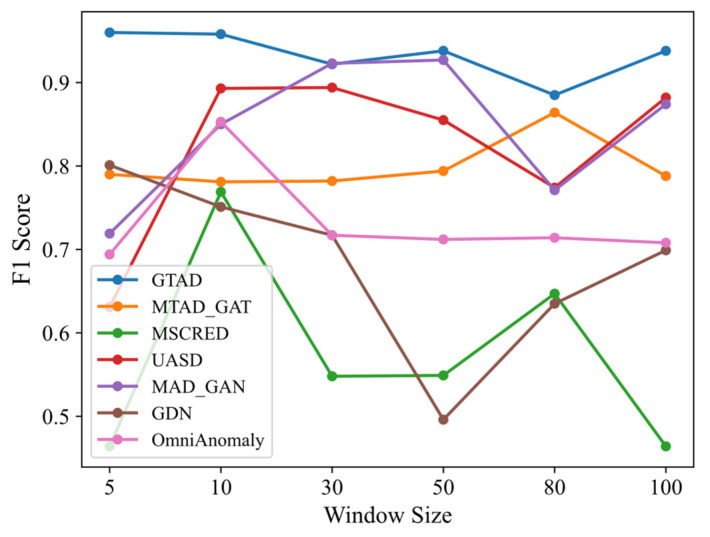
The rapid development of smart factories, combined with the increasing complexity of production equipment, has resulted in a large number of multivariate time series that can be recorded using sensors during the manufacturing process. The anomalous patterns of industrial production may be hidden by these time series. Previous LSTM-based and machine-learning-based approaches have made fruitful progress in anomaly detection. However, these multivariate time series anomaly detection algorithms do not take into account the correlation and time dependence between the sequences. In this study, we proposed a new algorithm framework, namely, graph attention network and temporal convolutional network for multivariate time series anomaly detection (GTAD), to address this problem. Specifically, we first utilized temporal convolutional networks, including causal convolution and dilated convolution, to capture temporal dependencies, and then used graph neural networks to obtain correlations between sensors. Finally, we conducted sufficient experiments on three public benchmark datasets, and the results showed that the proposed method outperformed the baseline method, achieving detection results with F1 scores higher than 95% on all datasets.
智能工厂的快速发展,加上生产设备日益复杂,导致在制造过程中可通过传感器记录大量多变量时间序列。工业生产的异常模式可能隐藏在这些时间序列中。先前基于长短期记忆网络(LSTM)和基于机器学习的方法在异常检测方面取得了丰硕成果。然而,这些多变量时间序列异常检测算法没有考虑序列之间的相关性和时间依赖性。在本研究中,我们提出了一种新的算法框架,即用于多变量时间序列异常检测的图注意力网络和时间卷积网络(GTAD),以解决这一问题。具体而言,我们首先利用包括因果卷积和扩张卷积在内的时间卷积网络来捕捉时间依赖性,然后使用图神经网络来获取传感器之间的相关性。最后,我们在三个公共基准数据集上进行了充分的实验,结果表明所提出的方法优于基线方法,在所有数据集上均实现了F1分数高于95%的检测结果。