Soni Aswathi, Brightwell Gale
AgResearch Ltd., Hopkirk Research Institute, Cnr University Ave and Library Road, Massey University, Palmerston North 4442, New Zealand.
New Zealand Food Safety Science and Research Centre, Massey University Manawatu (Turitea), Tennent Drive, Palmerston North 4474, New Zealand.
Foods. 2022 Jun 20;11(12):1811. doi: 10.3390/foods11121811.
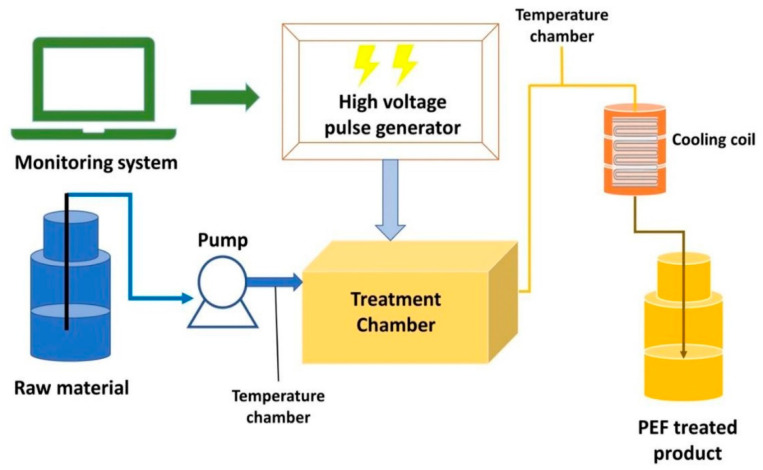
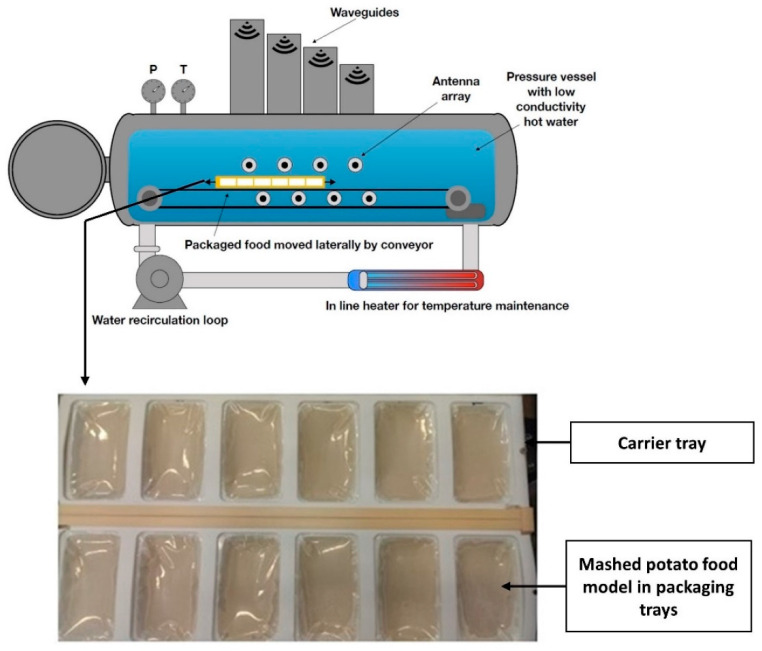
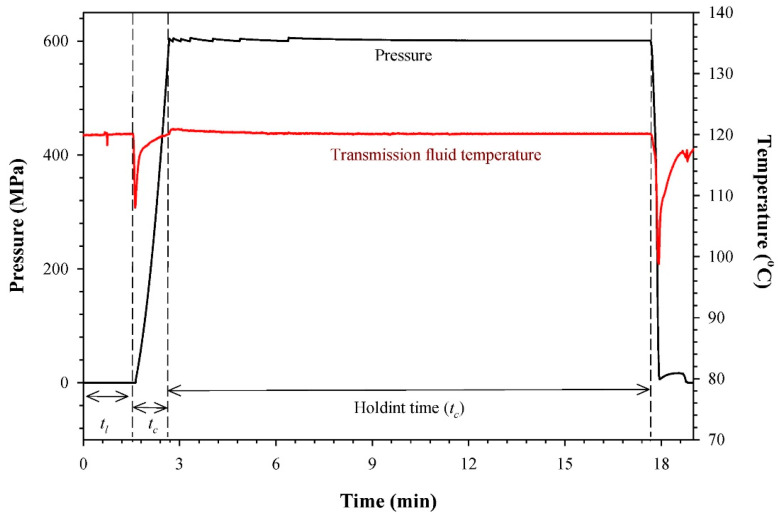
Thermal processing of packaged fruit and vegetable products is targeted at eliminating microbial contaminants (related to spoilage or pathogenicity) and extending shelf life using microbial inactivation or/and by reducing enzymatic activity in the food. The conventional process of thermal processing involves sterilization (canning and retorting) and pasteurization. The parameters used to design the thermal processing regime depend on the time (minutes) required to eliminate a known population of bacteria in a given food matrix under specified conditions. However, due to the effect of thermal exposure on the sensitive nutrients such as vitamins or bioactive compounds present in fruits and vegetables, alternative technologies and their combinations are required to minimize nutrient loss. The novel moderate thermal regimes aim to eliminate bacterial contaminants while retaining nutritional quality. This review focuses on the "thermal" processing regimes for fruit and vegetable products, including conventional sterilization and pasteurization as well as mild to moderate thermal techniques such as pressure-assisted thermal sterilization (PATS), microwave-assisted thermal sterilization (MATS) and pulsed electric field (PEF) in combination with thermal treatment as a hurdle approach or a combined regime.
包装水果和蔬菜制品的热加工旨在消除微生物污染物(与腐败或致病性相关),并通过微生物灭活或/和降低食品中的酶活性来延长保质期。传统的热加工过程包括杀菌(罐装和高压杀菌)和巴氏杀菌。用于设计热加工方案的参数取决于在特定条件下消除给定食品基质中已知数量细菌所需的时间(分钟)。然而,由于热暴露对水果和蔬菜中存在的敏感营养素(如维生素或生物活性化合物)的影响,需要采用替代技术及其组合来尽量减少营养损失。新型适度热加工方案旨在消除细菌污染物的同时保留营养品质。本综述重点关注水果和蔬菜制品的“热”加工方案,包括传统的杀菌和巴氏杀菌,以及温和至适度的热技术,如压力辅助热杀菌(PATS)、微波辅助热杀菌(MATS)和脉冲电场(PEF)与热处理相结合作为一种障碍方法或组合方案。