
基于本土土地的福祉方法:加拿大安大略省北极地区的(海狸)收获项目。
Indigenous Land-Based Approaches to Well-Being: The (Beaver) Harvesting Program in Subarctic Ontario, Canada.
机构信息
Department of Physical and Environmental Sciences, University of Toronto, Toronto, ON M1C 1A4, Canada.
School of Occupation and Public Health, Faculty of Community Services, Ryerson University, Toronto, ON M5B 2K3, Canada.
出版信息
Int J Environ Res Public Health. 2022 Jun 15;19(12):7335. doi: 10.3390/ijerph19127335.
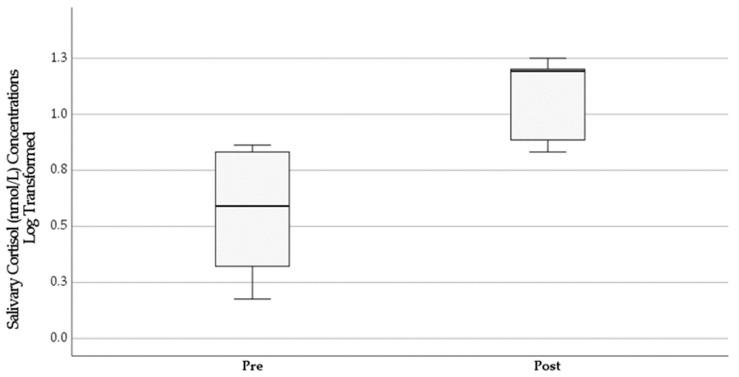
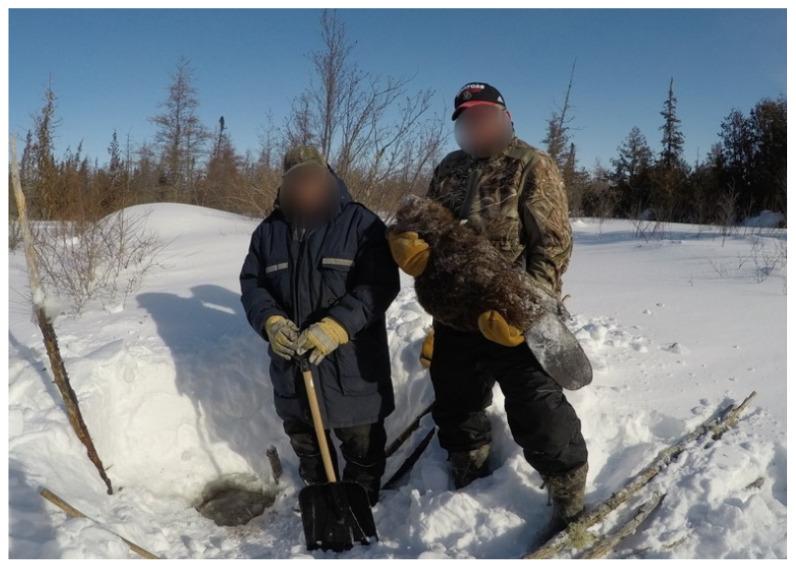
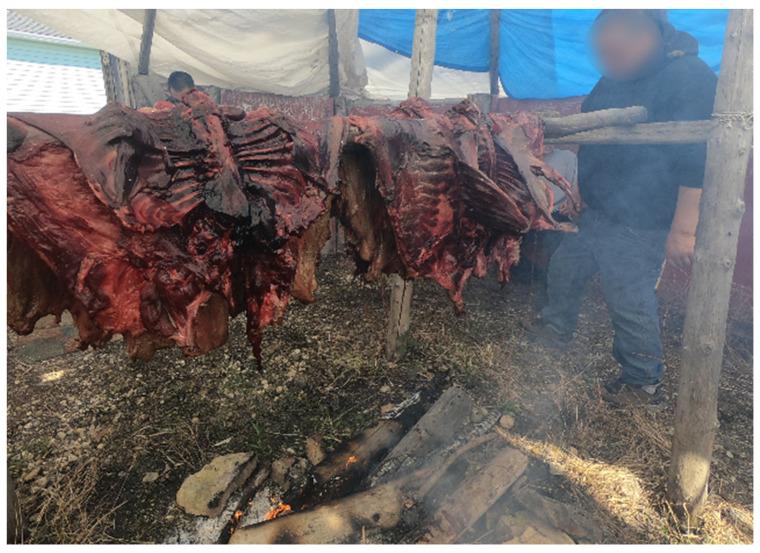
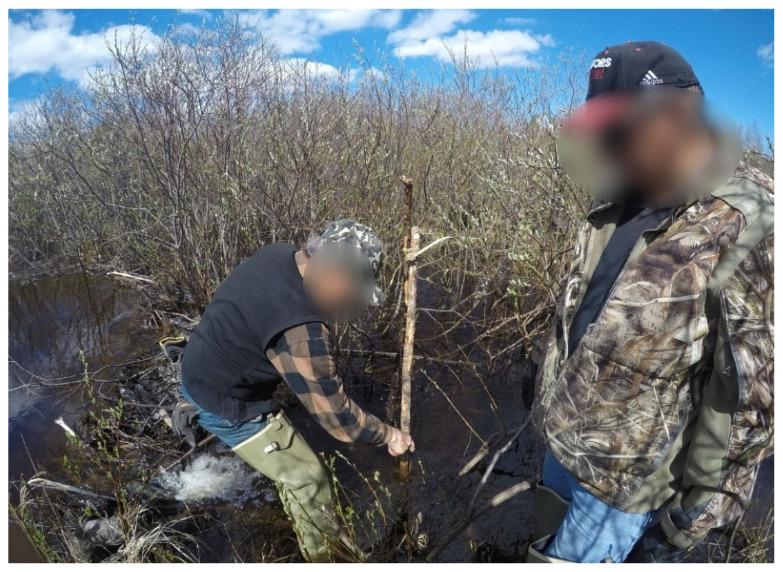
The act of decolonizing knowledge systems involves recovering and renewing traditional, non-commodified cultural patterns, such as the sustenance of intergenerational relationships and traditional practices. A decline in beaver harvesting, which was once an integral part of the Cree culture, has resulted in an overabundance of beavers and dams, which has negatively affected communities by increasing the local flooding events and impacting the water quality. The aim of the (beaver) program was to reconnect the Elders and youth to revitalize traditional on-the-land activities and, in the present case, beaver harvesting and associated activities within the community. The program and evaluation were built using a two-eyed seeing () and community-based participatory research approach. Salivary cortisol, a biomedical measure of stress, was collected before and after participation in the program. Photovoice, along with semi-directed interviews, were employed to identify the key elements of well-being from a First Nations' perspective. For the beaver harvesting activities, the changes observed in the cortisol concentrations were not statistically significant ( = 0.094). However, the act of beaver dam removal was associated with a statistically significant increase in the post-participation cortisol concentration ( = 0.021). It was noteworthy that increased stress during the removal of the beaver dams-as indicated by the elevated post-activity cortisol levels-were not reflected in a decrease in the qualitative measures (semi-directed interviews and photovoice) of well-being from an Indigenous perspective. In fact, there was a noted increase in the subjective well-being of the participants, which highlights the importance of multiple perspectives when assessing well-being, especially in Indigenous peoples. However, the cortisol findings of the present pilot project need to be interpreted with caution, due to the limited sample sizes.
去殖民化知识体系的行为包括恢复和更新传统的、非商品化的文化模式,如代际关系和传统习俗的维持。曾经是克里族文化不可或缺的海狸捕猎活动的减少,导致海狸和水坝过剩,通过增加当地洪水事件和影响水质,对社区产生了负面影响。该项目旨在使老年人和青年重新建立联系,以振兴传统的土地活动,在目前的情况下,在社区内进行海狸捕猎和相关活动。该项目和评估是使用双眼观察法和基于社区的参与式研究方法构建的。唾液皮质醇是一种生物医学应激指标,在参与项目前后进行了收集。采用摄影心声和半定向访谈相结合的方法,从原住民的角度确定幸福感的关键要素。对于海狸捕猎活动,皮质醇浓度的变化没有统计学意义(=0.094)。然而,海狸水坝的拆除与参与后皮质醇浓度的统计学显著增加有关(=0.021)。值得注意的是,在拆除海狸水坝期间,应激水平升高(表现为活动后皮质醇水平升高)并没有反映在原住民视角下幸福感的定性测量(半定向访谈和摄影心声)中降低。事实上,参与者的主观幸福感明显增加,这突出了在评估幸福感时需要采用多种观点,尤其是在原住民中。然而,由于样本量有限,本试点项目的皮质醇发现需要谨慎解释。







 Zotero 插件