Ahmed Fatima, Moriarity Robert J, Spence Nicholas D, Kataquapit Gisele, Sutherland Celine, Charania Nadia A, Tsuji Leonard J S, Liberda Eric N
School of Occupational and Public Health, Faculty of Community Services, Toronto Metropolitan University, Toronto, ON, M5B 2K3, Canada.
Department of Sociology, University of Toronto, Toronto, ON, M1C 1A4, Canada.
BMC Public Health. 2024 Dec 18;24(1):3498. doi: 10.1186/s12889-024-21052-0.
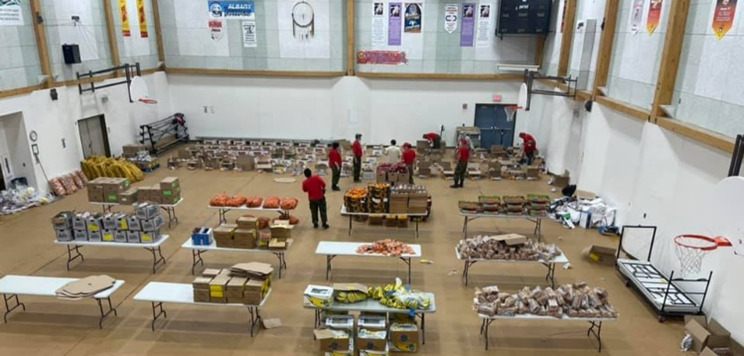
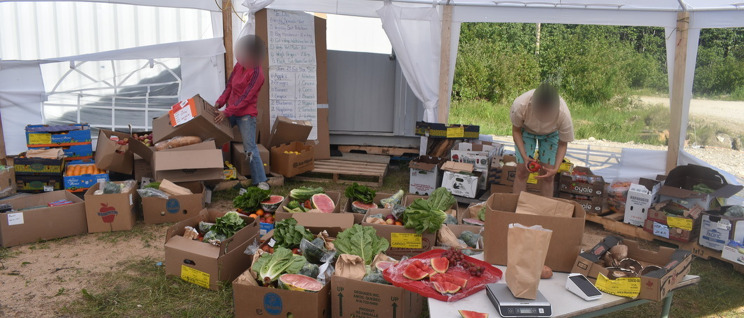
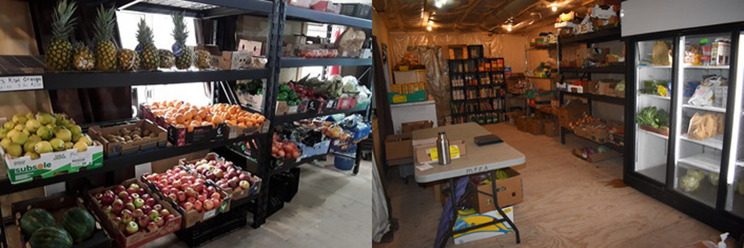
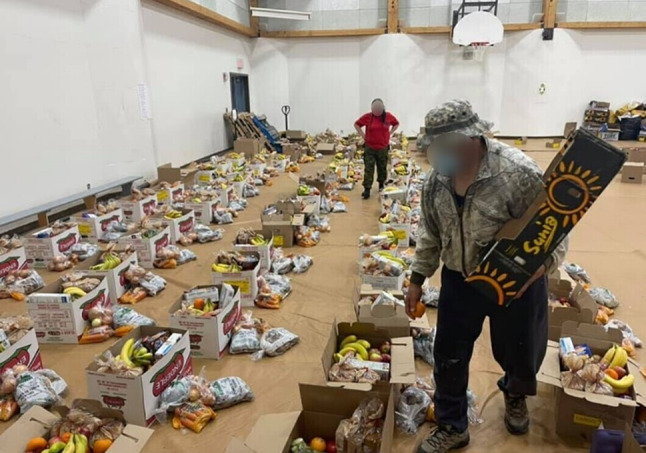
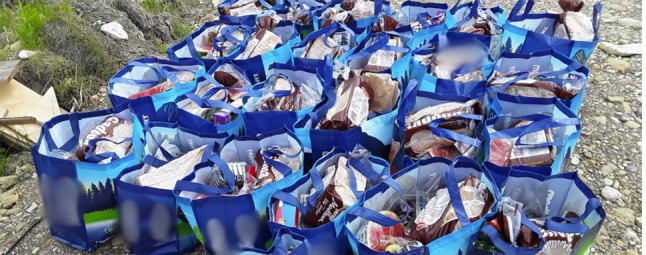
The COVID-19 pandemic exacerbated food insecurity issues in geographically isolated communities, including Fort Albany First Nation (FAFN). This research examines FAFN's adaptive strategies to improve food security, highlighting community resilience and leadership. Data were gathered through semi-structured interviews with 20 community members who were involved in the pandemic response, either as members of the pandemic committee or as managers of community programs. Thematic analysis revealed significant adaptation of existing programs and the establishment of new initiatives to address food security during the pandemic. Initiatives, such as the community garden and the Fort Albany Farmers Market were food security programs that existed prior to the pandemic, and despite labor shortages during the pandemic, logistical hurdles were addressed to maintain operations and enhance food distribution efficiency. New emergency food initiatives, backed by government support and community efforts, successfully delivered food to vulnerable households. Traditional subsistence activities, such as hunting and fishing, were essential for providing sustenance and strengthening community resilience. These adaptive strategies highlight the critical role of local leadership, community participation and ingenuity, and the utilization of Indigenous knowledge in overcoming food security challenges during crises. This paper underscores the need to support Indigenous food sovereignty and build resilient local food systems tailored to the unique needs of First Nations communities. The experiences of FAFN during the COVID-19 pandemic provide invaluable insights into the resilience and innovation required to improve food security in remote and vulnerable populations, emphasizing the need for sustained investment and policy support in these communities.
新冠疫情加剧了包括奥尔巴尼堡第一民族(FAFN)在内的地理上孤立社区的粮食不安全问题。本研究考察了FAFN为改善粮食安全所采取的适应性策略,突出了社区的复原力和领导力。通过对20名参与疫情应对的社区成员进行半结构化访谈收集数据,这些成员或是疫情委员会成员,或是社区项目管理人员。主题分析揭示了现有项目的重大调整以及为应对疫情期间的粮食安全问题而设立的新举措。诸如社区花园和奥尔巴尼堡农贸市场等举措是疫情之前就存在的粮食安全项目,尽管疫情期间劳动力短缺,但仍克服了后勤障碍以维持运营并提高食品分发效率。在政府支持和社区努力下的新紧急食品举措成功地为弱势家庭提供了食品。诸如狩猎和捕鱼等传统自给活动对于提供生计和增强社区复原力至关重要。这些适应性策略凸显了地方领导力、社区参与和创造力以及利用本土知识在危机期间克服粮食安全挑战方面的关键作用。本文强调了支持原住民粮食主权以及建立适应第一民族社区独特需求的有复原力的地方粮食系统的必要性。FAFN在新冠疫情期间的经历为改善偏远和弱势人群的粮食安全所需的复原力和创新提供了宝贵见解,强调了在这些社区进行持续投资和政策支持的必要性。