Davis Ryan A, Henningsen Joseph D, Huff Scott, Schneider Andrew D, Hijji Fady Y, Froehle Andrew, Venkatarayappa Indresh
Orthopaedic Surgery, Wright State University, Dayton, USA.
Kinesiology and Health, Wright State University, Dayton, USA.
Cureus. 2022 May 22;14(5):e25210. doi: 10.7759/cureus.25210. eCollection 2022 May.
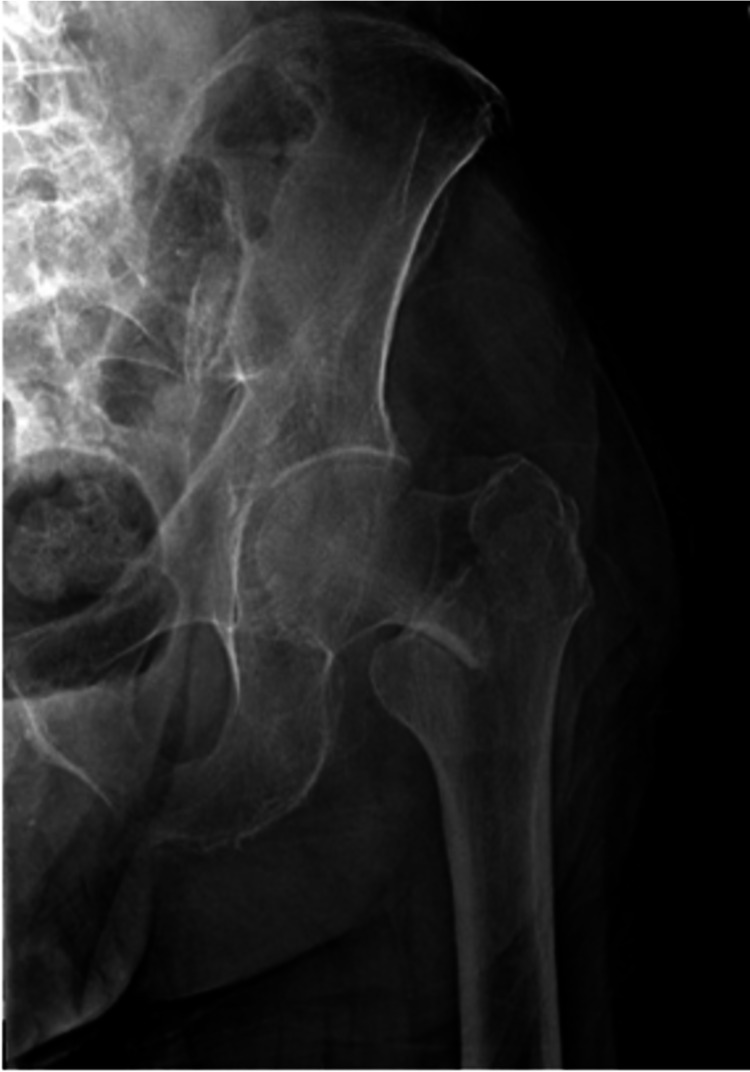
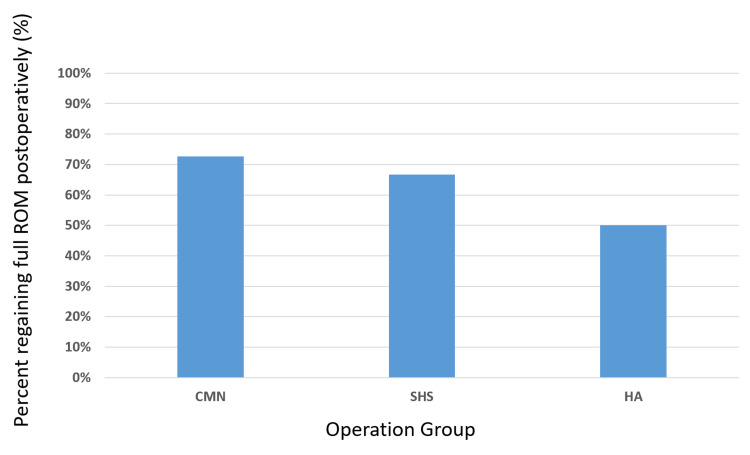
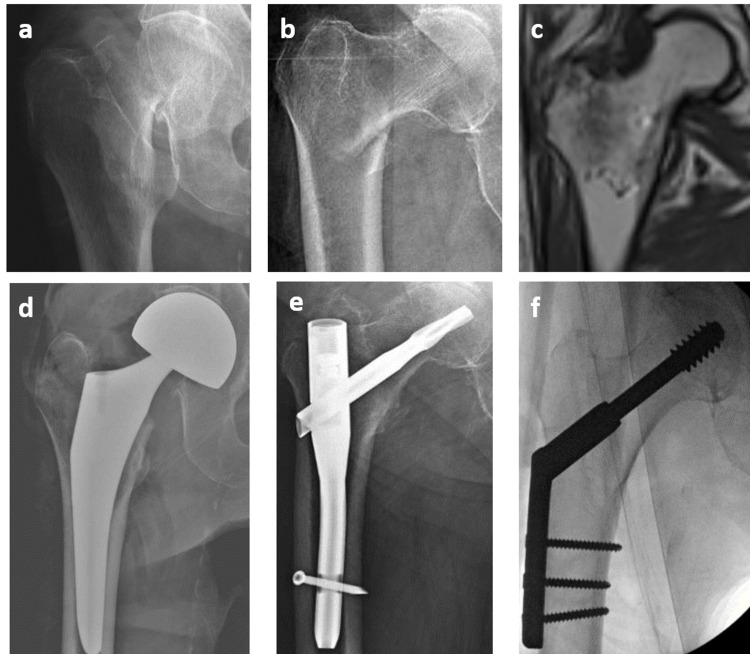
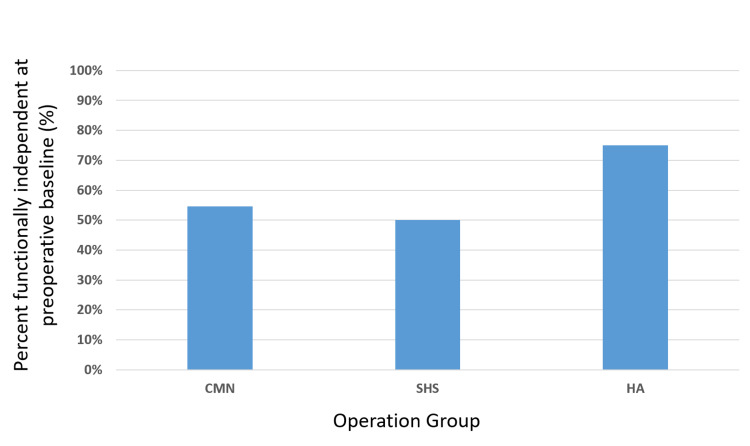
Purpose Basicervical femoral neck fractures are uncommon injuries that occur at the extracapsular base of the femoral neck at its transition with the intertrochanteric line. Controversy remains in the orthopedic literature as to the optimal method of treatment for this fracture type given the inherent instability and greater rate of implant failure with traditional fixation constructs. The purpose of this study is to quantify the incidence and preferred treatment methods of basicervical hip fractures at a single, regional, Level 1 trauma center and to identify differences in postoperative complications between treatment options. Methods The present study is a retrospective case series from a single regional health network, including 316 patients with hip fractures. Basicervical femoral neck fractures were identified. Reoperation rates within 90 days, implant failures or nonunions, postoperative ambulation distances and range of motion, and discharge dispositions were compared across patients grouped by surgical treatment with either cephalomedullary nail, sliding hip screw, or hemiarthroplasty (HA). Results Basicervical femoral neck fractures represented 6.6% of this study population. The cephalomedullary nail group demonstrated rates of implant failure and return to the operating room within 90 days of 40% (4/10) and 20% (2/10), respectively. No patients who underwent hemiarthroplasty experienced a failure of fixation or return to the operating room. Conclusions This study suggests a much lower rate of fixation failure or need for reoperation with hemiarthroplasty treatment compared to cephalomedullary nail construct for basicervical femoral neck fractures and may be an underutilized treatment method for this fracture type. The promising results seen with this case series should encourage further investigation into HA as a primary treatment for these uncommon, yet challenging, fractures.
股骨颈基底部骨折是一种不常见的损伤,发生在股骨颈囊外基底与转子间线的交界处。鉴于这种骨折类型固有的不稳定性以及传统固定结构导致的植入物失败率较高,骨科文献中对于该骨折类型的最佳治疗方法仍存在争议。本研究的目的是量化在一个单一的、地区性的一级创伤中心股骨颈基底部骨折的发生率和首选治疗方法,并确定不同治疗方案术后并发症的差异。方法:本研究是一项来自单一地区卫生网络的回顾性病例系列研究,包括316例髋部骨折患者。确定股骨颈基底部骨折。对采用髓内钉、动力髋螺钉或半髋关节置换术(HA)进行手术治疗的患者分组,比较其90天内的再次手术率、植入物失败或骨不连情况、术后行走距离和活动范围以及出院处置情况。结果:股骨颈基底部骨折占本研究人群的6.6%。髓内钉组植入物失败率和90天内返回手术室的比例分别为40%(4/10)和20%(2/10)。接受半髋关节置换术的患者中,没有出现内固定失败或返回手术室的情况。结论:本研究表明,与髓内钉固定治疗股骨颈基底部骨折相比,半髋关节置换术治疗的固定失败率或再次手术需求要低得多,对于这种骨折类型,半髋关节置换术可能是一种未得到充分利用的治疗方法。本病例系列所显示的有前景的结果应鼓励进一步研究将半髋关节置换术作为这些不常见但具有挑战性的骨折的主要治疗方法。