Tea Research Institute, Chinese Academy of Agricultural Sciences, Hangzhou, 310008, China.
Fruit and Tea Research Institute, Hubei Academy of Agricultural Sciences, Wuhan, 430064, China.
BMC Plant Biol. 2022 Jun 24;22(1):306. doi: 10.1186/s12870-022-03686-7.
The major aluminum (Al) detoxication mechanism of tea plant (Camellia sinensis), as an Al hyperaccumulator plant, is the fixation of almost 70% of Al in the cell walls. Pectin is the primary constituent of cell walls, a degree of methylation of pectin polysaccharides regulated by the pectin methylesterase (PME) genes can greatly affect the Al binding capacity. The knowledge on PME gene family in tea plant is still poor.
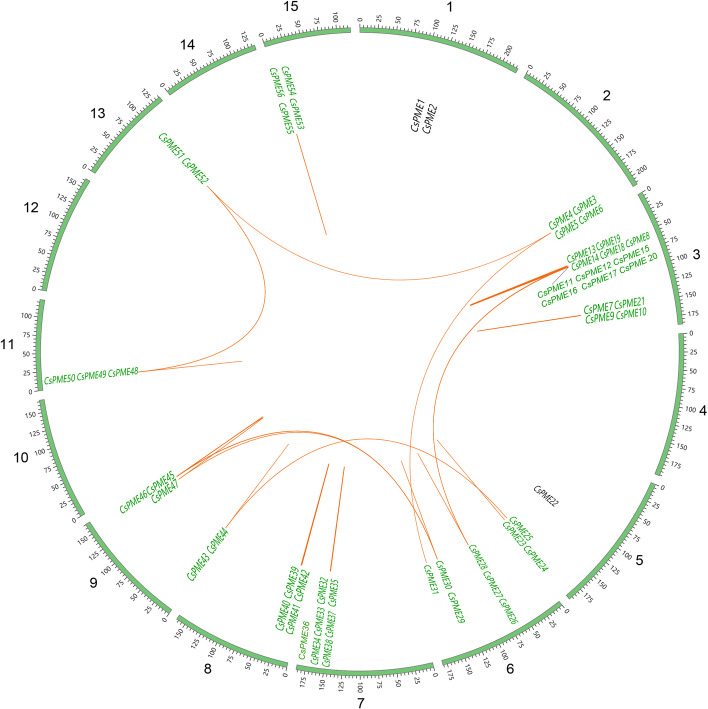
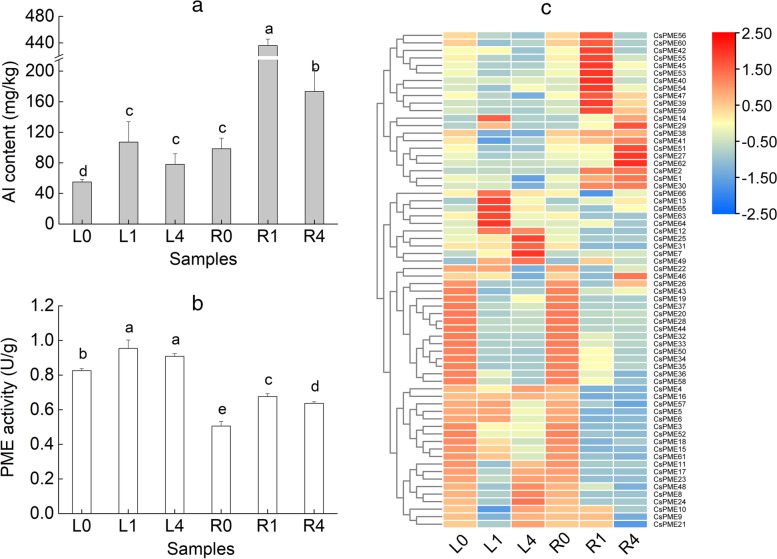
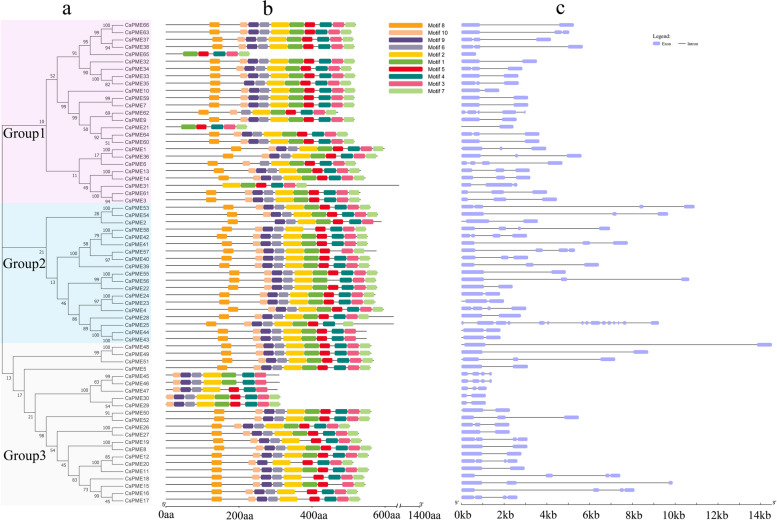
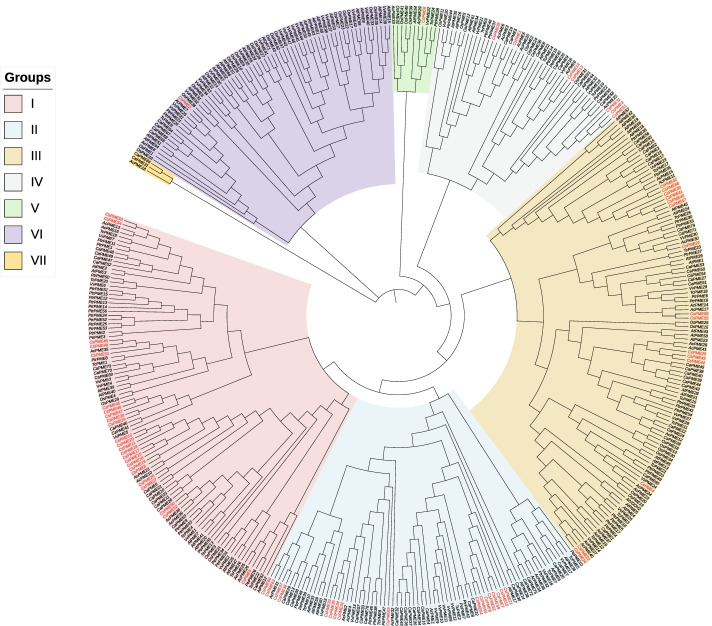
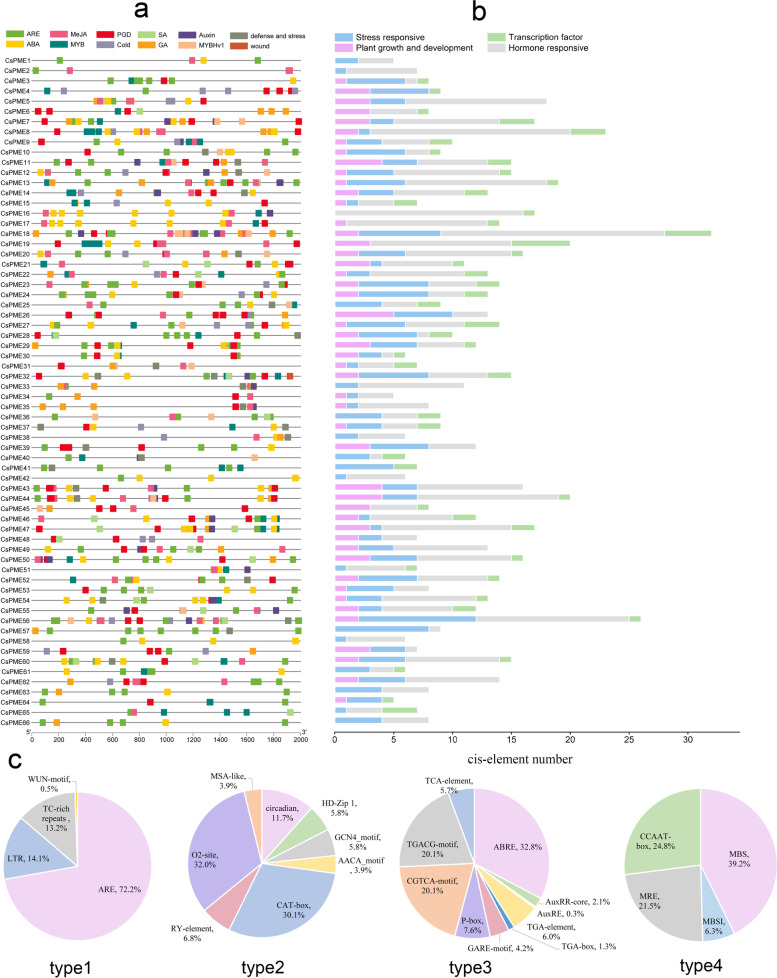
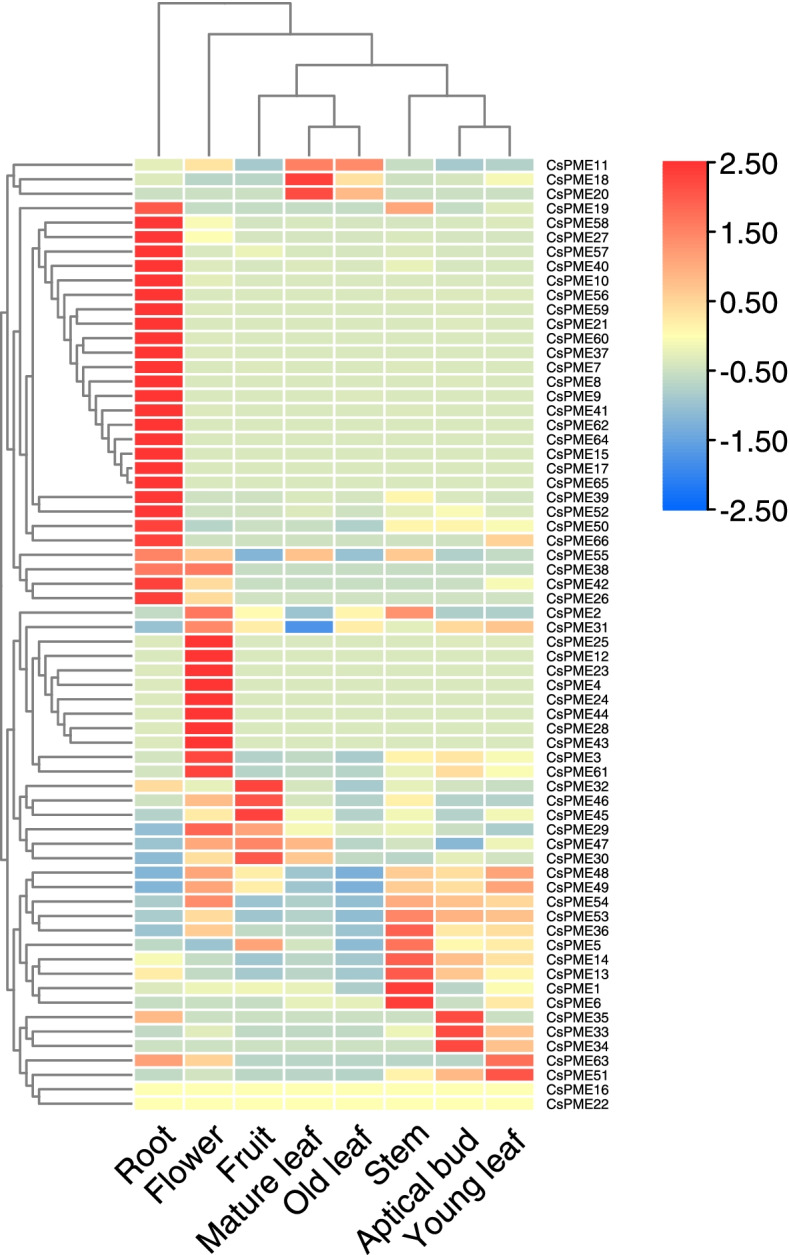
We identified 66 (CsPME1-CsPME66) PME genes from C. sinensis genome. We studied their protein characterization, conserved motifs, gene structure, systematic evolution and gene expression under Al treatments, to establish a basis for in-depth research on the function of PMEs in tea plant. Gene structures analysis revealed that the majority of PME genes had 2-4 exons. Phylogenetic results pointed out that the PME genes from the same species displayed comparatively high sequence consistency and genetic similarity. Selective pressure investigation suggested that the Ka/Ks value for homologous genes of PME family was less than one. The expression of CsPMEs under three Al concentration treatments was tissue specific, eight PME genes in leaves and 15 in roots displayed a trend similar to of the Al contents and PME activities under Al concentration treatments, indicating that the degree of pectin de-esterification regulated by PME was crucial for Al tolerance of tea plant.
Sixty-six CsPME genes were identified for the first time in tea plant. The genome-wide identification, classification, evolutionary and transcription analyses of the PME gene family provided a new direction for further research on the function of PME gene in Al tolerance of tea plant.
茶树作为一种铝超积累植物,其主要的铝解毒机制是将近 70%的铝固定在细胞壁中。果胶是细胞壁的主要成分,果胶多糖的甲酯化程度受果胶甲酯酶(PME)基因的调控,极大地影响了铝的结合能力。关于茶树中 PME 基因家族的知识仍然匮乏。
我们从茶树基因组中鉴定出 66 个(CsPME1-CsPME66)PME 基因。我们研究了它们的蛋白质特征、保守基序、基因结构、系统进化和铝处理下的基因表达,为深入研究 PME 在茶树中的功能奠定了基础。基因结构分析表明,大多数 PME 基因具有 2-4 个外显子。系统进化结果表明,同一物种的 PME 基因具有较高的序列一致性和遗传相似性。选择压力研究表明,PME 家族同源基因的 Ka/Ks 值小于 1。CsPMEs 在三种铝浓度处理下的表达具有组织特异性,叶片中的 8 个 PME 基因和根中的 15 个基因的表达趋势与铝浓度处理下的铝含量和 PME 活性相似,表明 PME 调节的果胶脱酯化程度对茶树的铝耐受性至关重要。
首次在茶树中鉴定出 66 个 CsPME 基因。PME 基因家族的全基因组鉴定、分类、进化和转录分析为进一步研究 PME 基因在茶树耐铝性中的功能提供了新的方向。