Marcantonio Diana H, Matteson Andrew, Presler Marc, Burke John M, Hagen David R, Hua Fei, Apgar Joshua F
Applied BioMath, LLC, Concord, MA, United States.
Front Pharmacol. 2022 Jun 8;13:864768. doi: 10.3389/fphar.2022.864768. eCollection 2022.
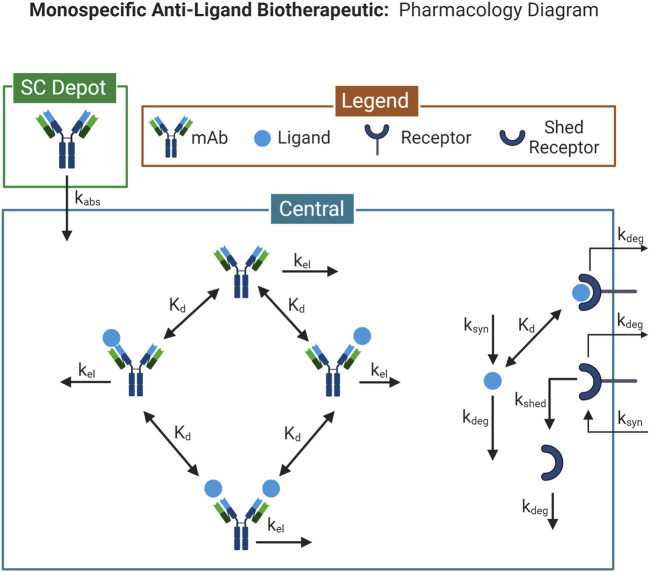
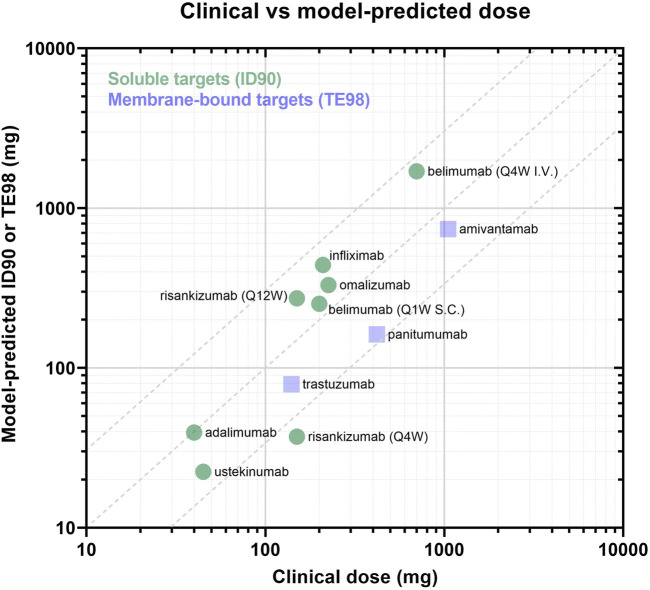
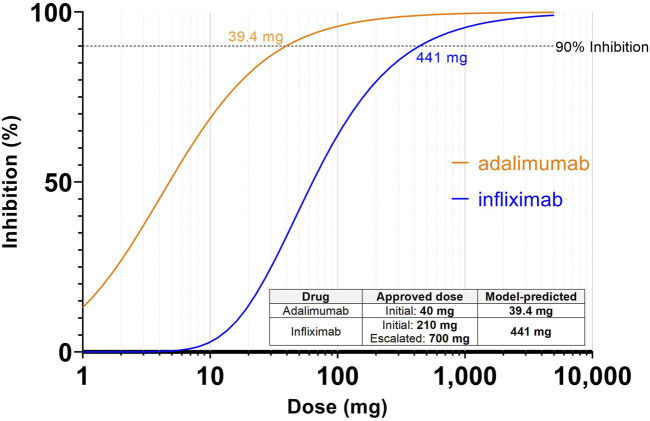
The application of model-informed drug discovery and development (MID3) approaches in the early stages of drug discovery can help determine feasibility of drugging a target, prioritize between targets, or define optimal drug properties for a target product profile (TPP). However, applying MID3 in early discovery can be challenging due to the lack of pharmacokinetic (PK) and pharmacodynamic (PD) data at this stage. Early Feasibility Assessment (EFA) is the application of mechanistic PKPD models, built from first principles, and parameterized by data that is readily available early in drug discovery to make effective dose predictions. This manuscript demonstrates the ability of EFA to make accurate predictions of clinical effective doses for nine approved biotherapeutics and outlines the potential of extending this approach to novel therapeutics to impact early drug discovery decisions.
模型 informed 药物发现与开发(MID3)方法在药物发现早期阶段的应用有助于确定针对某一靶点用药的可行性、在多个靶点之间进行优先级排序,或为目标产品概况(TPP)定义最佳药物特性。然而,由于在这一阶段缺乏药代动力学(PK)和药效动力学(PD)数据,在早期发现中应用 MID3 可能具有挑战性。早期可行性评估(EFA)是应用基于第一原理构建、并由药物发现早期即可轻易获得的数据进行参数化的机制性 PKPD 模型来进行有效剂量预测。本手稿展示了 EFA 对九种已批准生物治疗药物临床有效剂量进行准确预测的能力,并概述了将该方法扩展至新型治疗药物以影响早期药物发现决策的潜力。