Ziade Nelly, Hmamouchi Ihsane, El Kibbi Lina
Rheumatology Department, Hôtel-Dieu de France Hospital, Saint Joseph's University, Beirut, Lebanon.
Rheumatology Unit, Temara Hospital, Laboratory of Biostatistics, Clinical Research and Epidemiology (LBRCE), Faculty of Medicine and Pharmacy, Mohammed V University, Rabat, Morocco.
Front Med (Lausanne). 2022 Jun 9;9:880285. doi: 10.3389/fmed.2022.880285. eCollection 2022.
An increase in women physicians in the medical workforce is witnessed in recent decades, paralleled by an increase in leadership positions and, to a lesser extent, in academic advancement.
This study aims to evaluate the women rheumatologists (WR) workforce and to identify the challenges faced by WR in the Arab League of Associations for Rheumatology (ArLAR) countries.
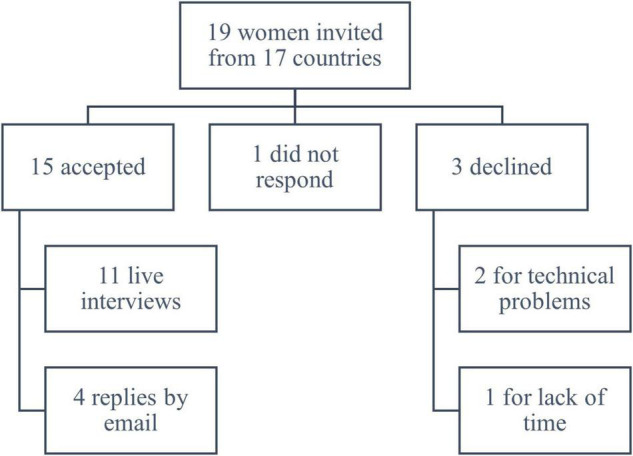
We collected data from members of special interest groups from 16 ArLAR countries about the number of rheumatologists in the national societies and boards - including WR -, and the estimated percentage of WR involved in academia. Also, a sample of WR was identified based on their established leadership positions and invited to a structured interview addressing their career path and the gender-related challenges.
The proportion of WR varied widely across the ArLAR countries, with a mean of 56%. Moreover, WR constituted 47% of the society's board members and roughly 49% of WR were involved in academia. However, only 37% of the current society presidents were females. Structured interviews indicated that WR place a high value on patient care and teaching, followed by research and publications. The primary reported gender-related challenge was balancing work with family demands. Moreover, some WR reported gender-related discrimination incurred by colleagues, patients, and administrations.
WR constituted more than half of the current rheumatology workforce in the ArLAR countries, with a lower - but steadily growing - proportion of WR in leadership positions. As they embrace their growing role in the workforce, WR must benefit from all the provided tools, from learning from the experience of current women leaders in the field to using the latest technology such as social media platforms to empower them to reach gender equity.
近几十年来,医学领域女性医生的数量有所增加,与此同时,担任领导职务的女性数量也有所增加,在学术晋升方面,女性的增幅相对较小。
本研究旨在评估阿拉伯风湿病协会联盟(ArLAR)国家的女性风湿病学家(WR)队伍,并确定WR所面临的挑战。
我们收集了来自ArLAR 16个国家特殊兴趣小组成员的数据,内容包括国家学会和委员会中风湿病学家的数量(包括WR),以及参与学术界工作的WR的估计比例。此外,根据她们已确立的领导职位确定了一个WR样本,并邀请她们参加一次结构化访谈,讨论她们的职业道路以及与性别相关的挑战。
WR在ArLAR各国的比例差异很大,平均为56%。此外,WR占学会董事会成员的47%,约49%的WR参与学术界工作。然而,目前只有37%的学会主席为女性。结构化访谈表明,WR非常重视患者护理和教学,其次是研究和发表论文。报告的主要与性别相关的挑战是平衡工作与家庭需求。此外,一些WR报告称受到了同事、患者和管理层的性别歧视。
在ArLAR国家,WR占目前风湿病学从业人员的一半以上,担任领导职务的WR比例较低,但在稳步增长。随着她们在从业人员中发挥越来越大的作用,WR必须利用所有提供的工具,从借鉴该领域现任女性领导者的经验到使用社交媒体平台等最新技术,以实现性别平等。