Huntington's Disease Centre, Department of Neurodegenerative disease, UCL Queen Square Institute of Neurology, University College London, London WC1N 3BG, UK.
Dementia Research Centre, University College London, London WC1N 3AR, UK.
Brain. 2022 Nov 21;145(11):3953-3967. doi: 10.1093/brain/awac227.
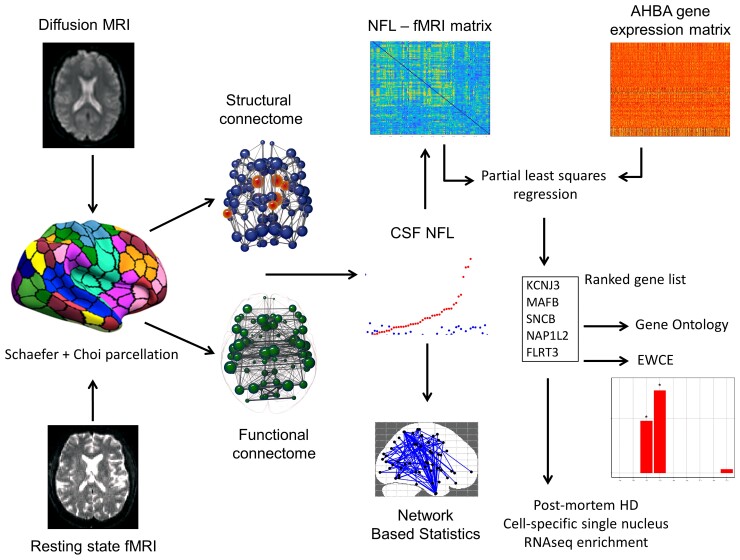
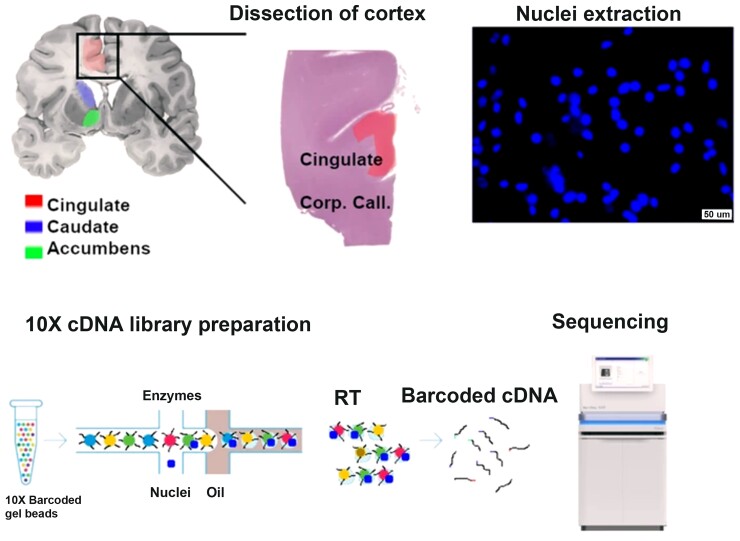
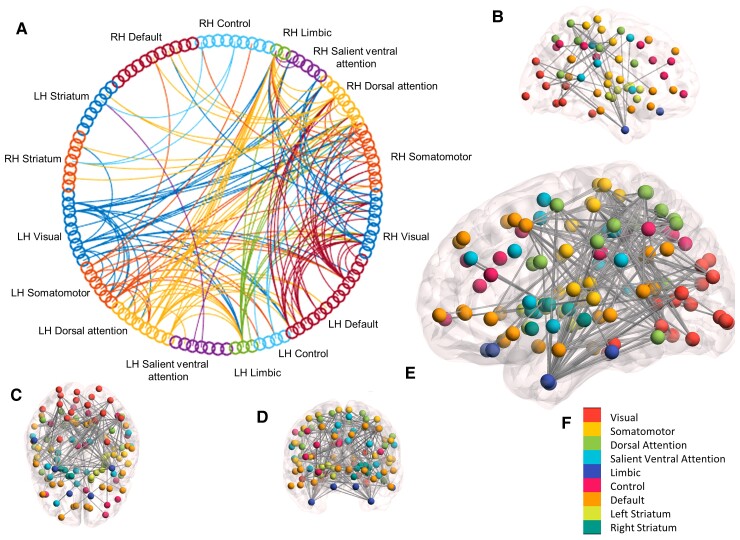
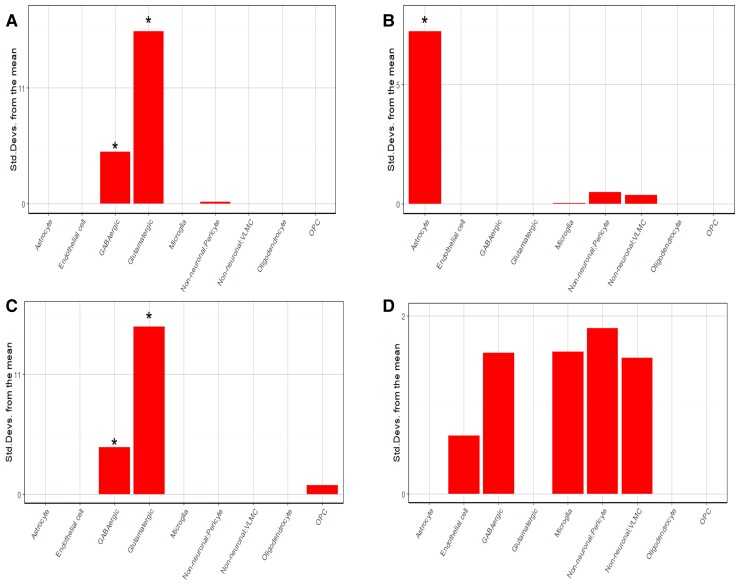
Upregulation of functional network connectivity in the presence of structural degeneration is seen in the premanifest stages of Huntington's disease (preHD) 10-15 years from clinical diagnosis. However, whether widespread network connectivity changes are seen in gene carriers much further from onset has yet to be explored. We characterized functional network connectivity throughout the brain and related it to a measure of disease pathology burden (CSF neurofilament light, NfL) and measures of structural connectivity in asymptomatic gene carriers, on average 24 years from onset. We related these measurements to estimates of cortical and subcortical gene expression. We found no overall differences in functional (or structural) connectivity anywhere in the brain comparing control and preHD participants. However, increased functional connectivity, particularly between posterior cortical areas, correlated with increasing CSF NfL level in preHD participants. Using the Allen Human Brain Atlas and expression-weighted cell-type enrichment analysis, we demonstrated that this functional connectivity upregulation occurred in cortical regions associated with regional expression of genes specific to neuronal cells. This relationship was validated using single-nucleus RNAseq data from post-mortem Huntington's disease and control brains showing enrichment of neuronal-specific genes that are differentially expressed in Huntington's disease. Functional brain networks in asymptomatic preHD gene carriers very far from disease onset show evidence of upregulated connectivity correlating with increased disease burden. These changes occur among brain areas that show regional expression of genes specific to neuronal GABAergic and glutamatergic cells.
在亨廷顿病(HD)的临床诊断前 10-15 年,即表现前阶段,就已经观察到功能性网络连接在结构退化的情况下上调。然而,在发病前很长时间的基因携带者中是否存在广泛的网络连接变化尚未得到探索。我们描述了整个大脑的功能网络连接,并将其与疾病病理负担的一种衡量标准(CSF 神经丝轻链,NfL)以及无症状基因携带者的结构连接测量值相关联,这些基因携带者的发病时间平均为 24 年。我们将这些测量值与皮质和皮质下基因表达的估计值相关联。我们发现,在比较对照组和 HD 患者时,大脑的任何部位的功能(或结构)连接都没有总体差异。然而,在 HD 患者中,后皮质区之间的功能连接增加,特别是与 CSF NfL 水平增加相关。通过使用 Allen 人类大脑图谱和表达加权细胞类型富集分析,我们证明了这种功能连接上调发生在与特定于神经元细胞的基因的区域表达相关的皮质区域。使用来自死后亨廷顿病和对照大脑的单核 RNAseq 数据验证了这一关系,这些数据显示神经元特异性基因的富集,这些基因在亨廷顿病中表达不同。在发病前很长时间的无症状 HD 基因携带者的大脑中,功能网络显示出连接性上调的证据,这与疾病负担的增加有关。这些变化发生在具有特定于神经元 GABA 能和谷氨酸能细胞的基因的区域表达的大脑区域之间。