Graduate Institute of Toxicology, College of Medicine, National Taiwan University, No.1 Jen Ai road section 1, Taipei, 100, Taiwan.
Department of Internal Medicine, College of Medicine, National Taiwan University, Taipei, Taiwan.
J Biomed Sci. 2022 Jun 28;29(1):46. doi: 10.1186/s12929-022-00828-9.
The activation of the unfolded protein response (UPR) is closely linked to the pathogenesis of renal injuries. However, the role of XBP1, a crucial regulator of adaptive UPR, remains unclear during the transition from acute kidney injury (AKI) to chronic kidney disease (CKD).
We characterized XBP1 expressions in different mouse models of kidney injuries, including unilateral ischemia-reperfusion injury (UIRI), unilateral ureteral obstruction, and adenine-induced CKD, followed by generating proximal tubular XBP1 conditional knockout (XBP1) mice for examining the influences of XBP1. Human proximal tubular epithelial cells (HK-2) were silenced of XBP1 to conduct proteomic analysis and investigate the underlying mechanism.
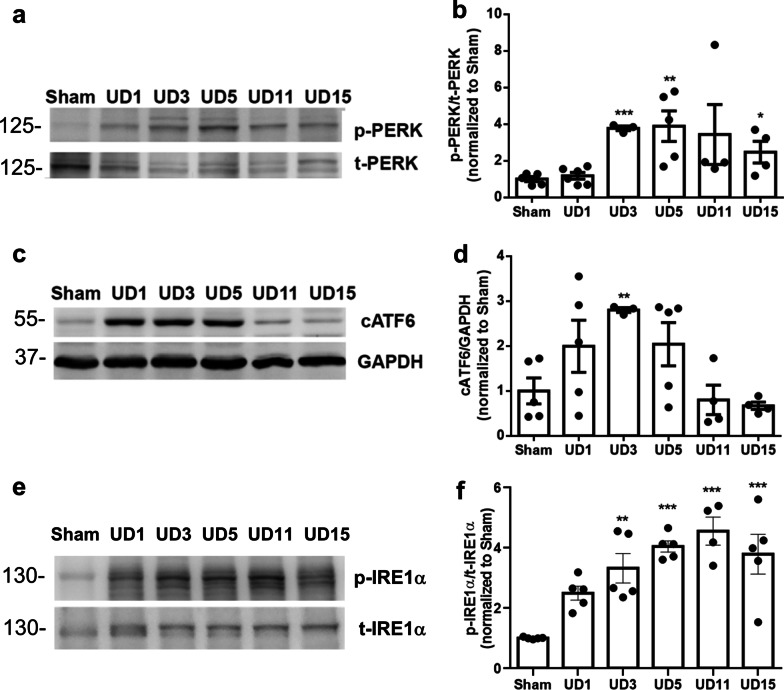
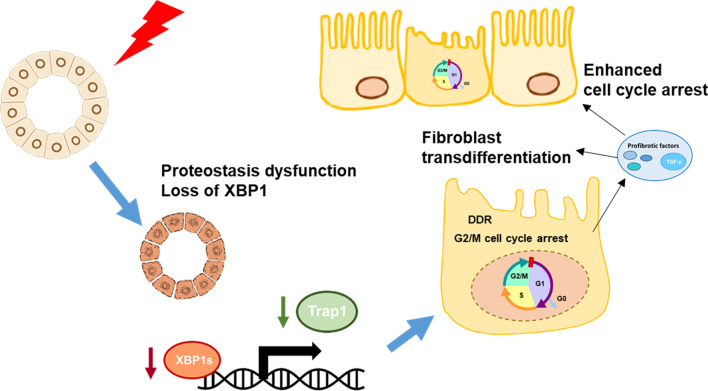
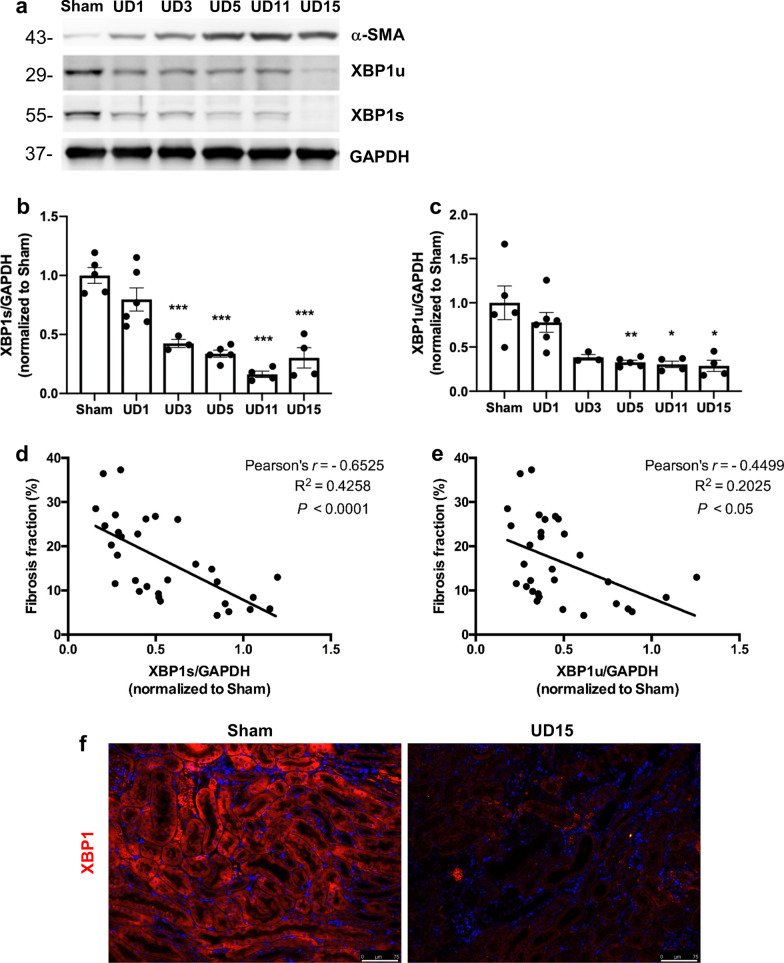
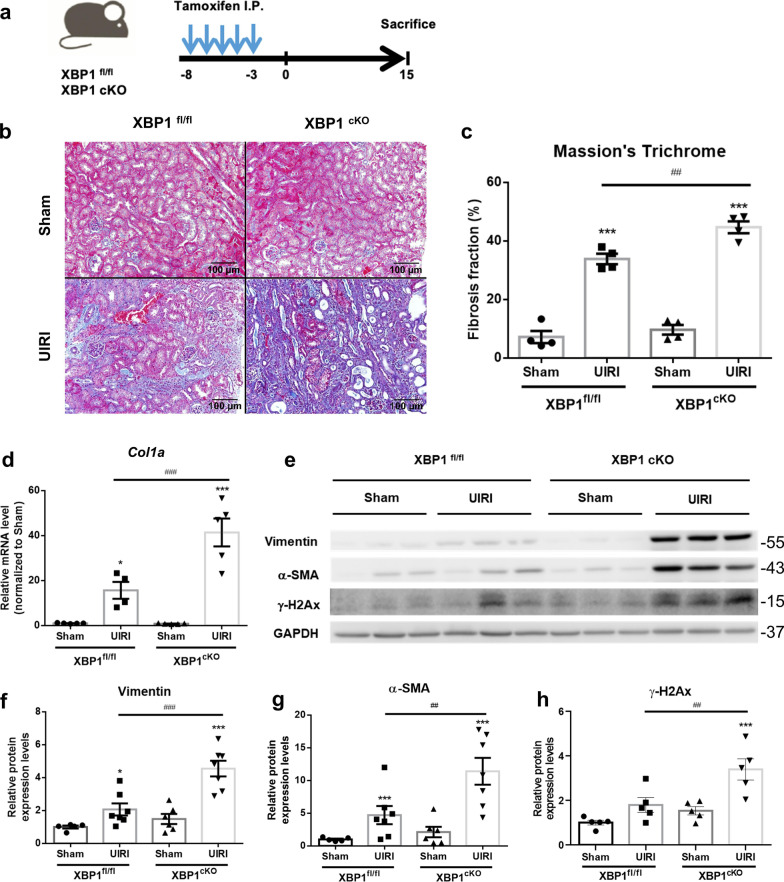
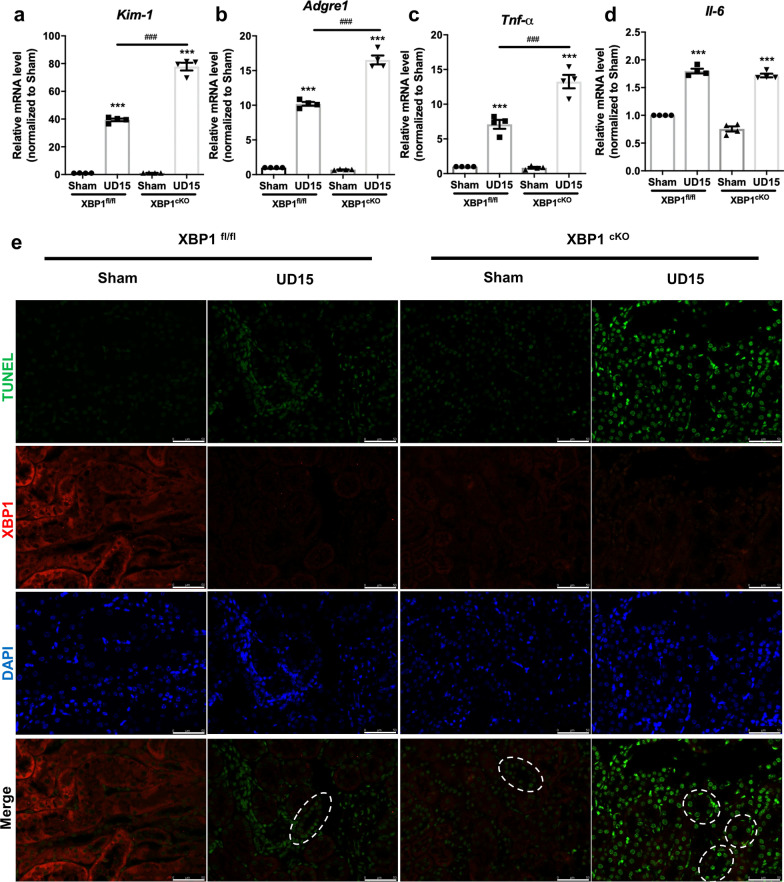
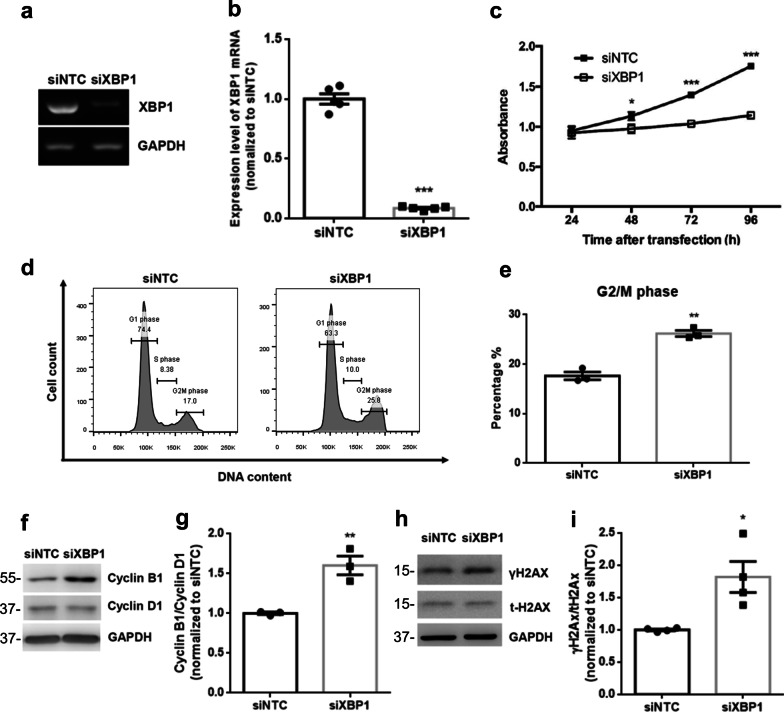
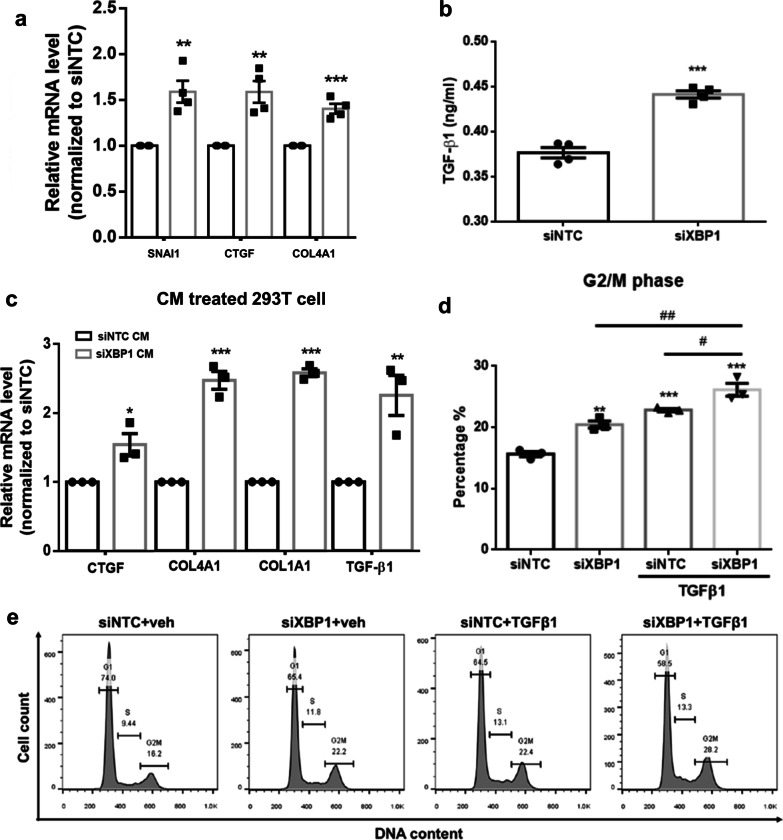
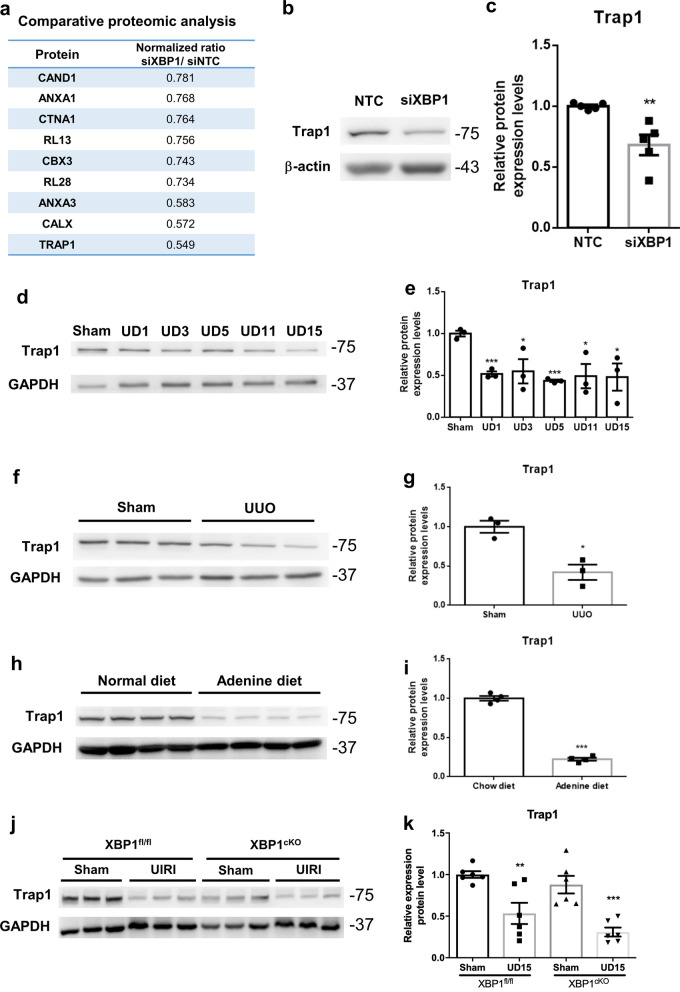
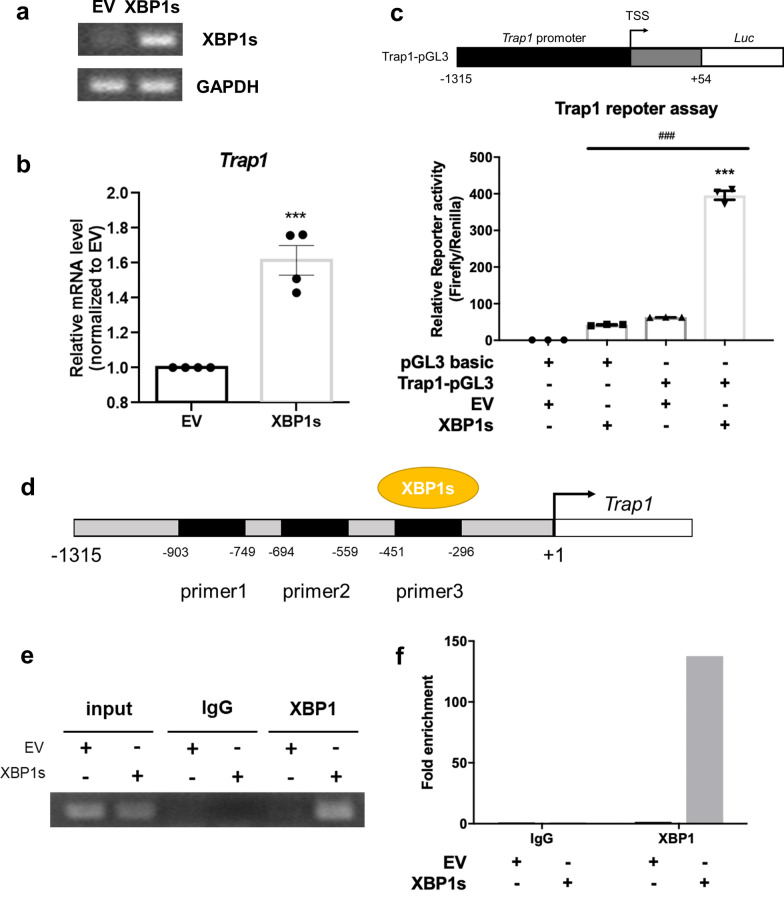
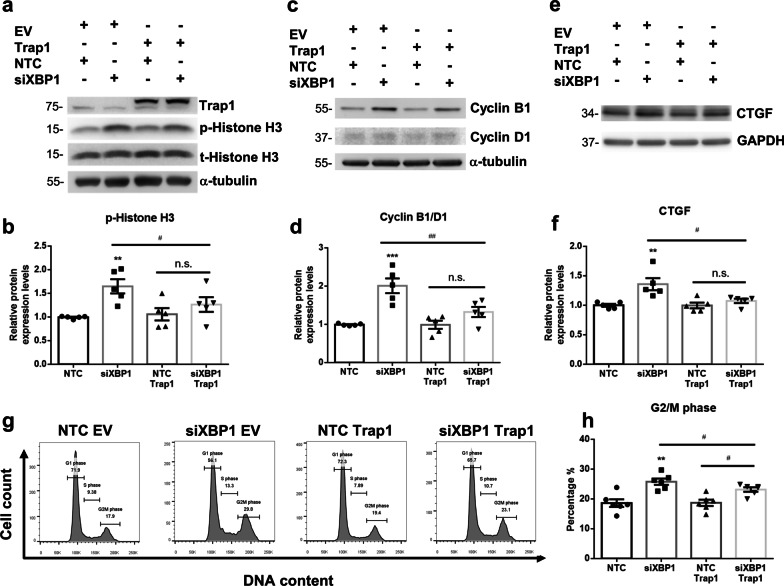
We showed a tripartite activation of UPR in injured kidneys. XBP1 expressions were attenuated after AKI and inversely correlated with the severity of post-AKI renal fibrosis. XBP1 mice exhibited more severe renal fibrosis in the UIRI model than wide-type littermates. Silencing XBP1 induced HK-2 cell cycle arrest in G2M phase, inhibited cell proliferation, and promoted TGF-β1 secretion. Proteomic analysis identified TNF receptor associated protein 1 (Trap1) as the potential downstream target transcriptionally regulated by XBP1s. Trap1 overexpression can alleviate silencing XBP1 induced profibrotic factor expressions and cell cycle arrest.
The loss of XBP1 in kidney injury was profibrotic, and the process was mediated by autocrine and paracrine regulations in combination. The present study identified the XBP1-Trap1 axis as an instrumental mechanism responsible for post-AKI fibrosis, which is a novel regulatory pathway.
未折叠蛋白反应(UPR)的激活与肾脏损伤的发病机制密切相关。然而,XBP1 作为适应性 UPR 的关键调节因子,在急性肾损伤(AKI)向慢性肾脏病(CKD)的转变过程中的作用尚不清楚。
我们在不同的小鼠肾脏损伤模型中对 XBP1 的表达进行了特征描述,包括单侧缺血再灌注损伤(UIRI)、单侧输尿管梗阻和腺嘌呤诱导的 CKD,随后生成近端肾小管 XBP1 条件性敲除(XBP1)小鼠,以检查 XBP1 的影响。我们沉默了人近端肾小管上皮细胞(HK-2)中的 XBP1,进行蛋白质组学分析,并研究了潜在的机制。
我们显示 UPR 在损伤肾脏中存在三分激活。XBP1 的表达在 AKI 后减弱,与 AKI 后肾纤维化的严重程度呈负相关。与野生型同窝仔相比,XBP1 小鼠在 UIRI 模型中表现出更严重的肾纤维化。沉默 XBP1 诱导 HK-2 细胞周期停滞在 G2M 期,抑制细胞增殖,并促进 TGF-β1 的分泌。蛋白质组学分析鉴定出 TNF 受体相关蛋白 1(Trap1)是 XBP1s 转录调控的潜在下游靶标。Trap1 的过表达可以减轻沉默 XBP1 诱导的致纤维化因子表达和细胞周期停滞。
肾脏损伤中 XBP1 的缺失具有促纤维化作用,该过程是通过自分泌和旁分泌调节相结合介导的。本研究确定了 XBP1-Trap1 轴作为 AKI 后纤维化的重要机制,这是一个新的调控途径。