Department of Breast Surgery, China-Japan Union Hospital of Jilin University, Changchun, Jilin, China.
Department of Obstetrics and Gynecology, The Second Hospital of Jilin University, Changchun, Jilin, China.
PLoS One. 2022 Jun 30;17(6):e0269998. doi: 10.1371/journal.pone.0269998. eCollection 2022.
Cysteine conjugate beta-lyase 2 (CCBL2), also known as kynurenine aminotransferase 3 (KAT3) or glutamine transaminase L (GTL), plays an essential role in transamination and cytochrome P450. Its correlation with some other cancers has been explored, but breast cancer (BC) not yet.
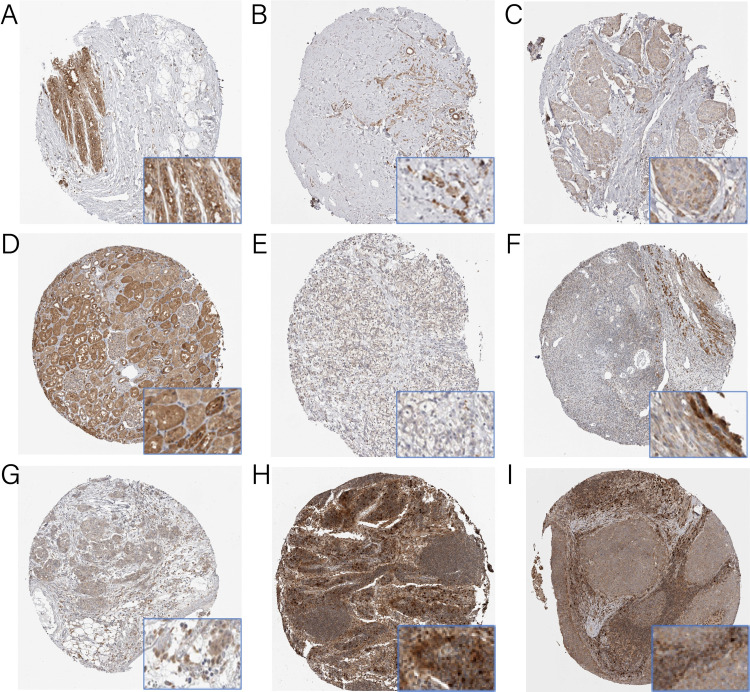
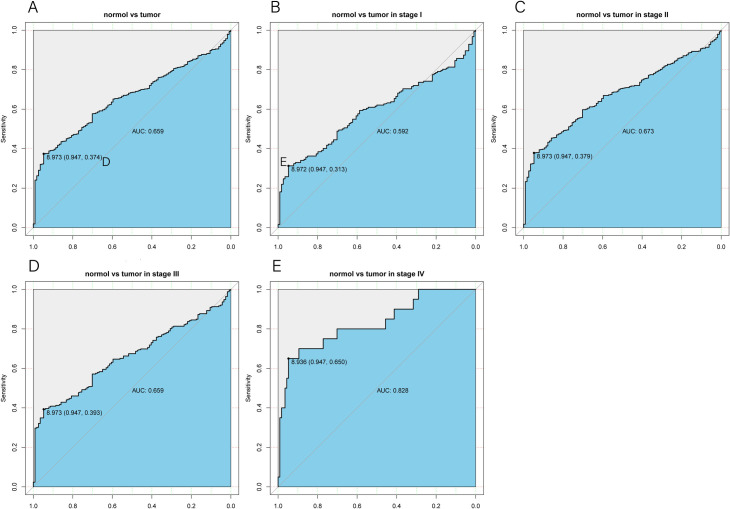
The mRNA and protein expression of CCBL2 in BC cell lines and patient samples were detected by RT-qPCR and immunohistochemistry (IHC). BC patients' clinical information and RNA-Seq expression were acquired via The Cancer Genome Atlas (TCGA) database. Patients were categorized into high/low CCBL2 expression groups based on the optimal cutoff value (8.973) determined by receiver operating characteristic (ROC) curve. We investigated CCBL2 and clinicopathological characteristics' relationship using Chi-square tests, estimated diagnostic capacity using ROC curves and drew survival curves using Kaplan-Meier estimate. We compared survival differences using Cox regression and externally validated using Gene Expression Omnibus (GEO) database. We evaluated enriched signaling pathways using gene set enrichment analysis (GSEA), explored CCBL2 and relevant genes' relationship using tumor immunoassay resource (TIMER) databases and used the human protein atlas (HPA) for pan-cancer analysis and IHC.
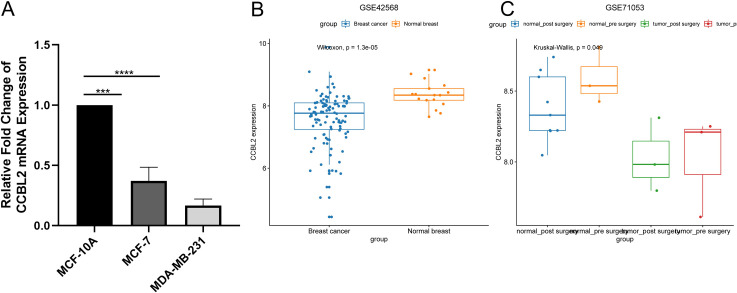
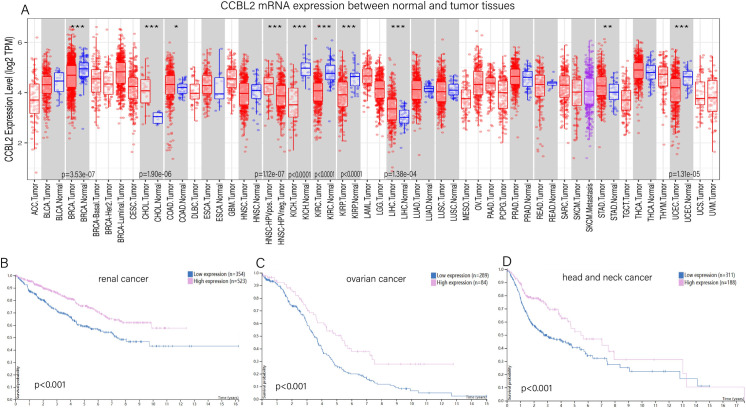
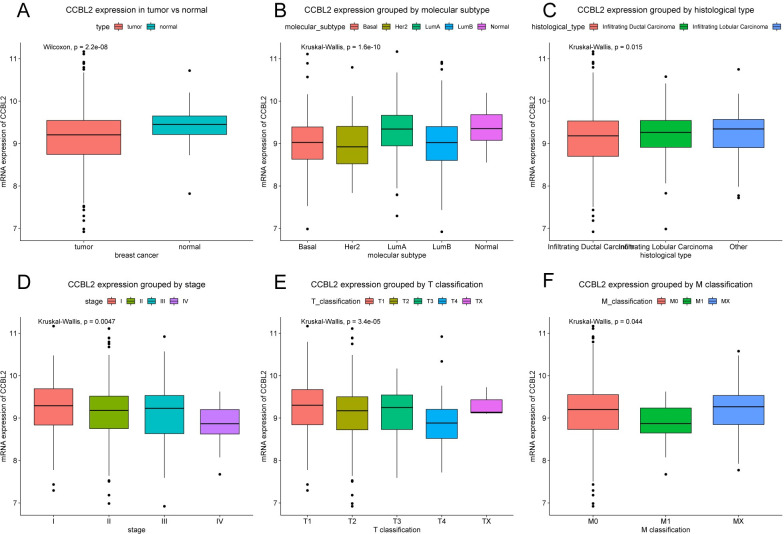
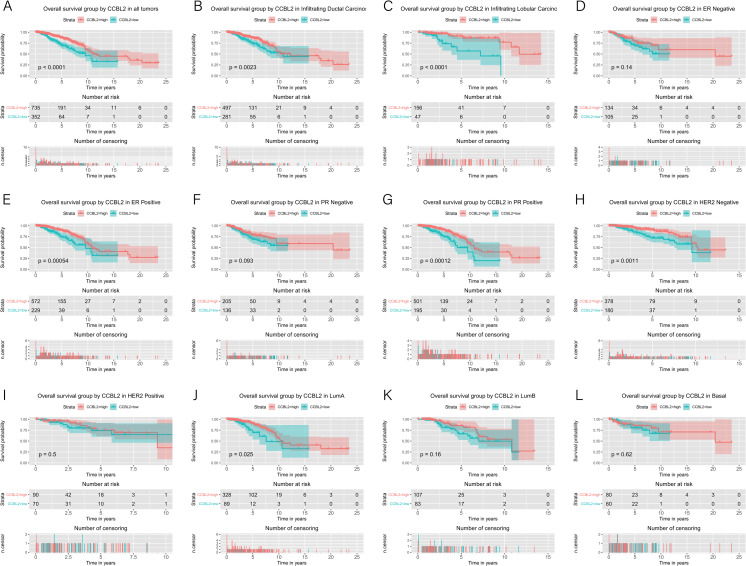
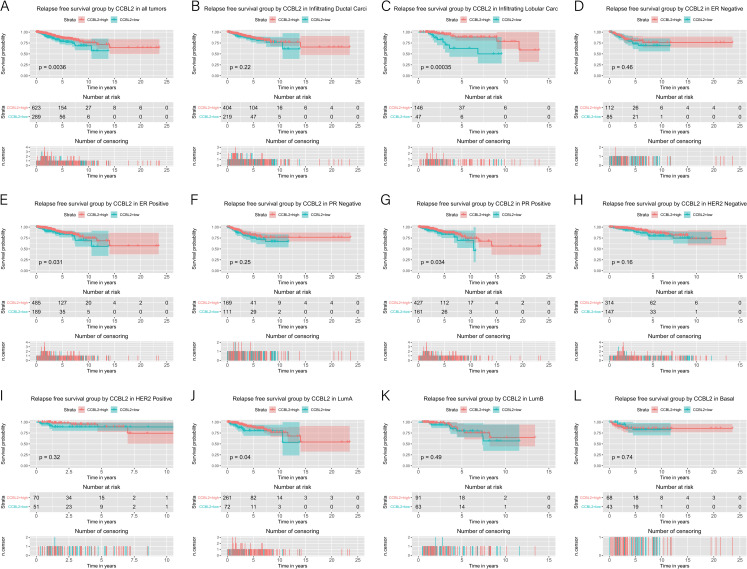
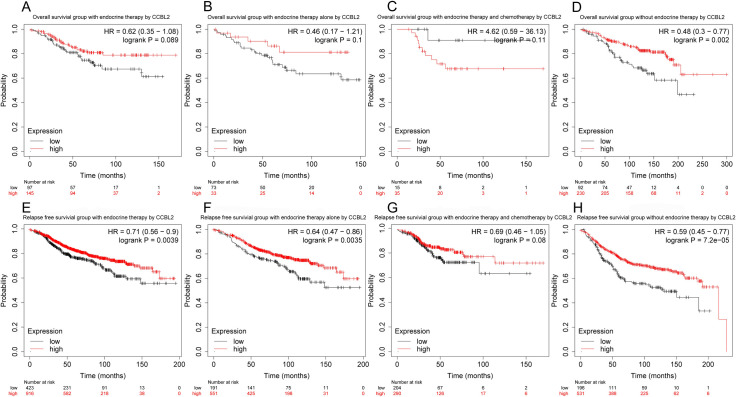
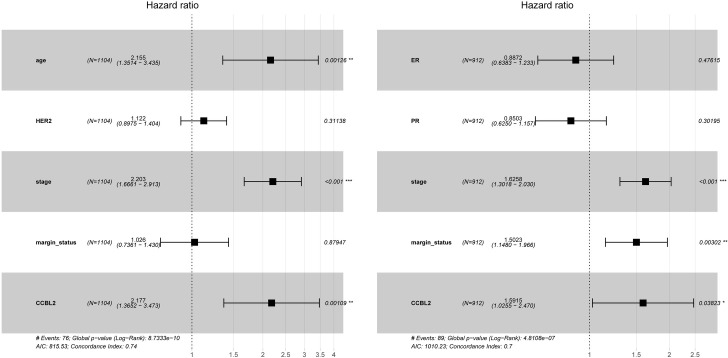
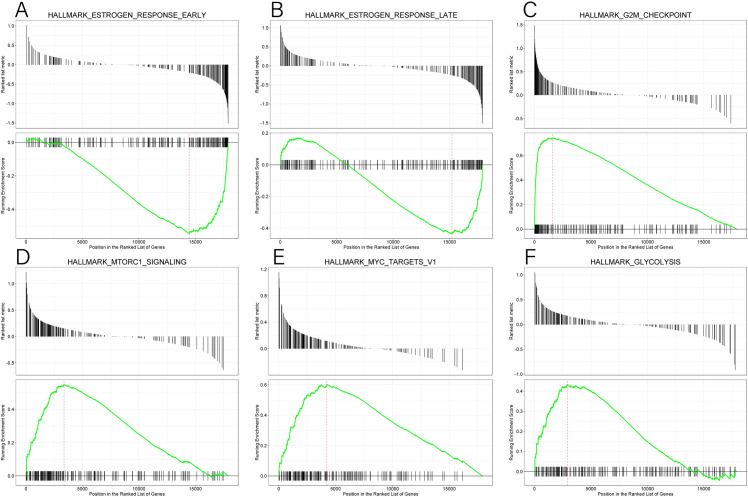
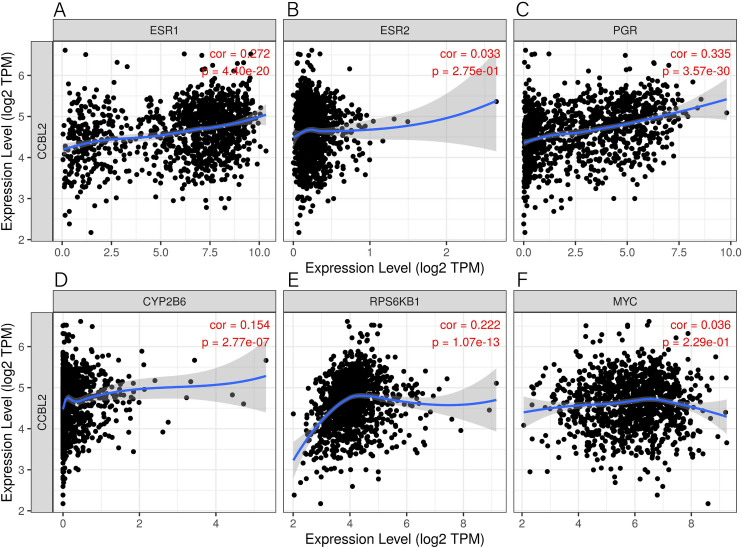
CCBL2 was overexpressed in normal human cell lines and tissues. CCBL2 expression was lower in BC tissues (n = 1104) than in normal tissues (n = 114), validated by GEO database. Several clinicopathologic features were related to CCBL2, especially estrogen receptor (ER), progesterone receptor (PR) and clinical stages. The low expression group exhibited poor survival. CCBL2's area under curve (AUC) analysis showed finite diagnostic capacity. Multivariate cox-regression analysis indicated CCBL2 independently predicted BC survival. GSEA showed enriched pathways: early estrogen response, MYC and so on. CCBL2 positively correlated with estrogen, progesterone and androgen receptors. CCBL2 was downregulated in most cancers and was associated with their survival, including renal and ovarian cancers.
Low CCBL2 expression is a promising poor BC survival independent prognostic marker.
半胱氨酸共轭β-裂合酶 2(CCBL2),也称为犬尿氨酸氨基转移酶 3(KAT3)或谷氨酰胺转氨酶 L(GTL),在转氨基和细胞色素 P450 中发挥重要作用。它与其他一些癌症的相关性已经被探索过,但尚未涉及乳腺癌(BC)。
通过 RT-qPCR 和免疫组织化学(IHC)检测 BC 细胞系和患者样本中的 CCBL2 的 mRNA 和蛋白表达。通过癌症基因组图谱(TCGA)数据库获取 BC 患者的临床信息和 RNA-Seq 表达。根据受试者工作特征(ROC)曲线确定的最佳截断值(8.973),将患者分为高/低 CCBL2 表达组。我们使用卡方检验研究 CCBL2 与临床病理特征的关系,使用 ROC 曲线估计诊断能力,并使用 Kaplan-Meier 估计绘制生存曲线。我们使用 Cox 回归比较生存差异,并使用基因表达综合数据库(GEO)进行外部验证。我们使用基因集富集分析(GSEA)评估富集的信号通路,使用肿瘤免疫分析资源(TIMER)数据库探索 CCBL2 与相关基因的关系,并使用人类蛋白质图谱(HPA)进行泛癌分析和免疫组化。
CCBL2 在正常人类细胞系和组织中过度表达。通过 GEO 数据库验证,CCBL2 在 BC 组织(n=1104)中的表达低于正常组织(n=114)。几个临床病理特征与 CCBL2 相关,尤其是雌激素受体(ER)、孕激素受体(PR)和临床分期。低表达组的生存较差。CCBL2 的 AUC 分析显示出有限的诊断能力。多变量 cox 回归分析表明 CCBL2 独立预测 BC 预后。GSEA 显示富集通路:早期雌激素反应、MYC 等。CCBL2 与雌激素、孕激素和雄激素受体呈正相关。CCBL2 在大多数癌症中下调,与它们的生存相关,包括肾和卵巢癌。
低 CCBL2 表达是 BC 不良预后的有前途的独立预后标志物。