Xu Ning, Meng Xiangyu, Chu Hongyu, Yang Zhaoying, Jiao Yan, Li Youjun
Department of Human Anatomy, Jilin University, Changchun, Jilin, China.
Department of Breast Surgery, China-Japan Union Hospital of Jilin University, Changchun, Jilin, China.
PeerJ. 2023 Jul 24;11:e15654. doi: 10.7717/peerj.15654. eCollection 2023.
Killer cell lectin-like receptor B1 (KLRB1) is an important member of the natural killer cell gene family. This study explored the potential value of KLRB1 as a breast cancer (BC) biomarker and its close association with the tumor immune microenvironment during the development of BC.
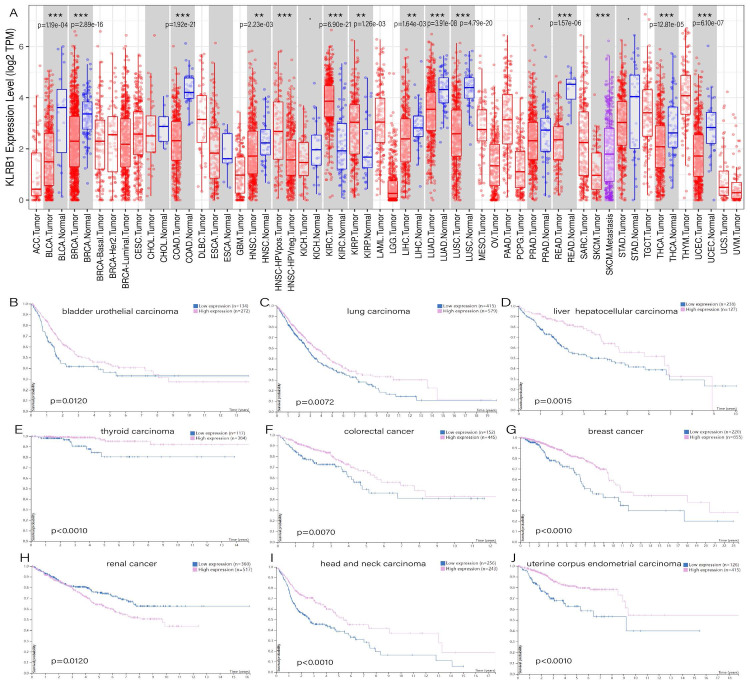
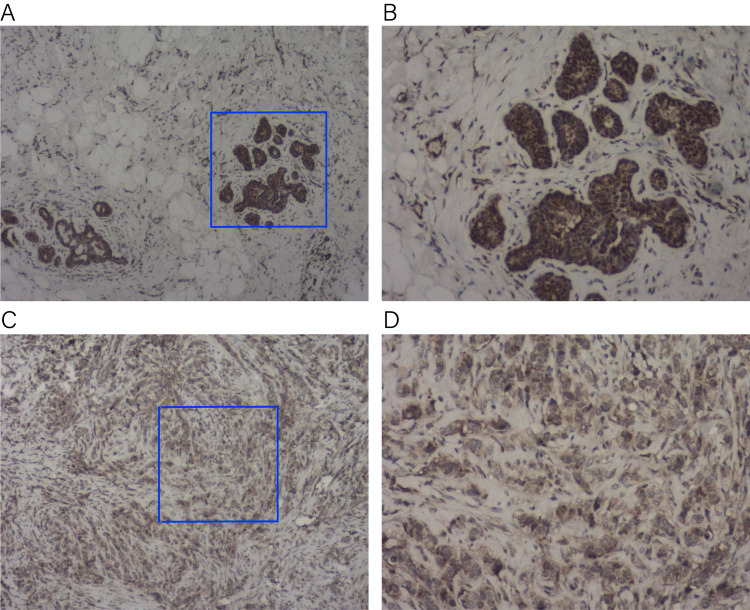
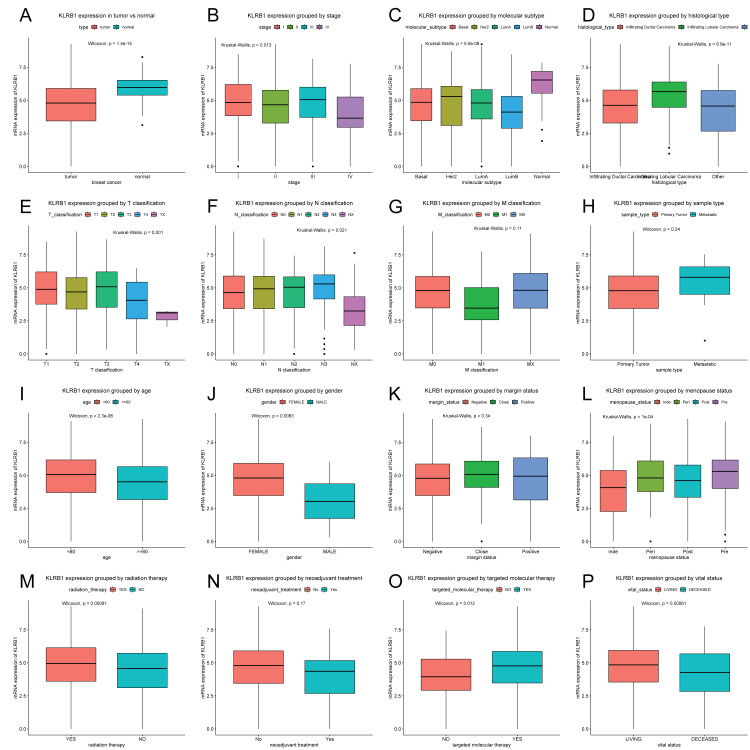
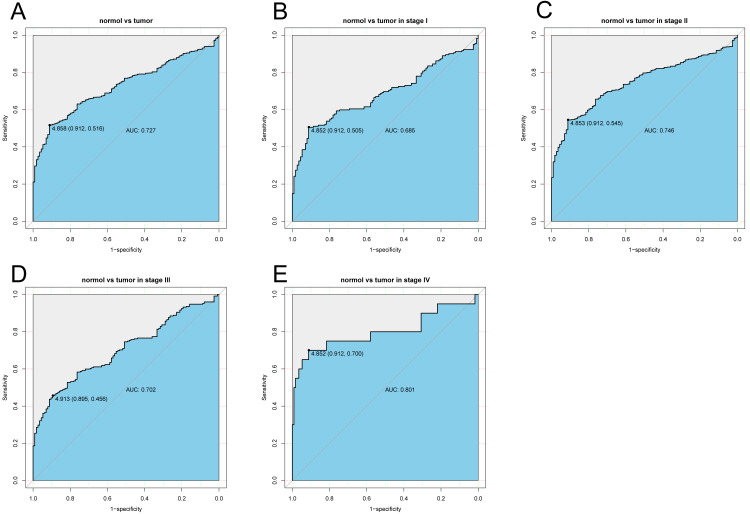
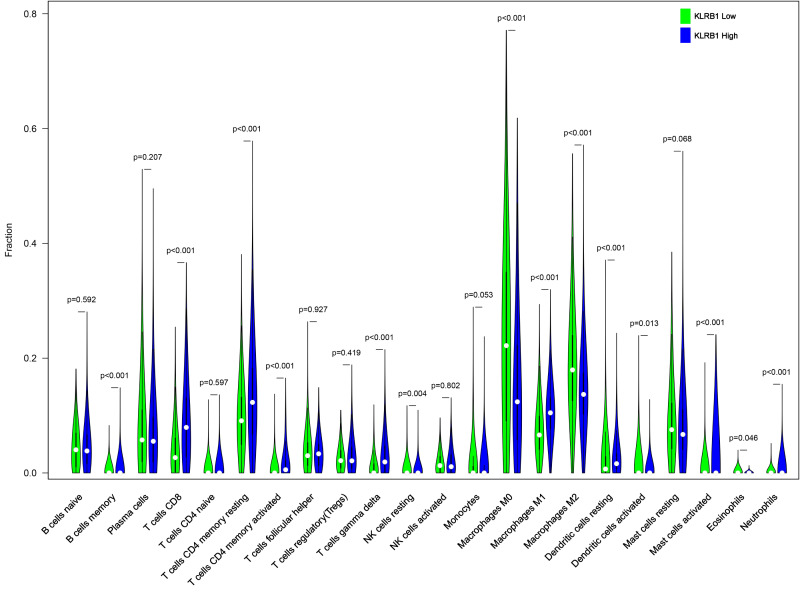
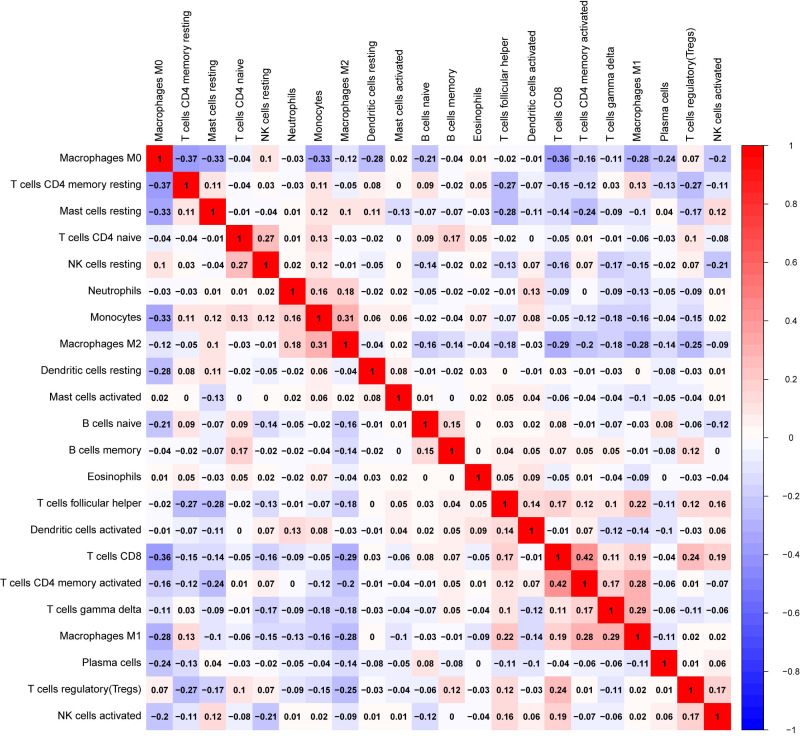
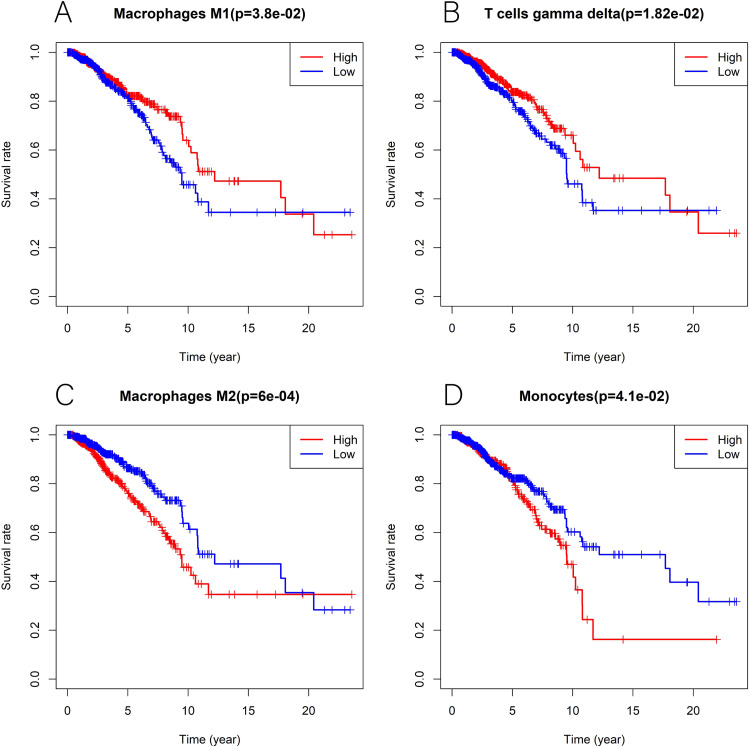
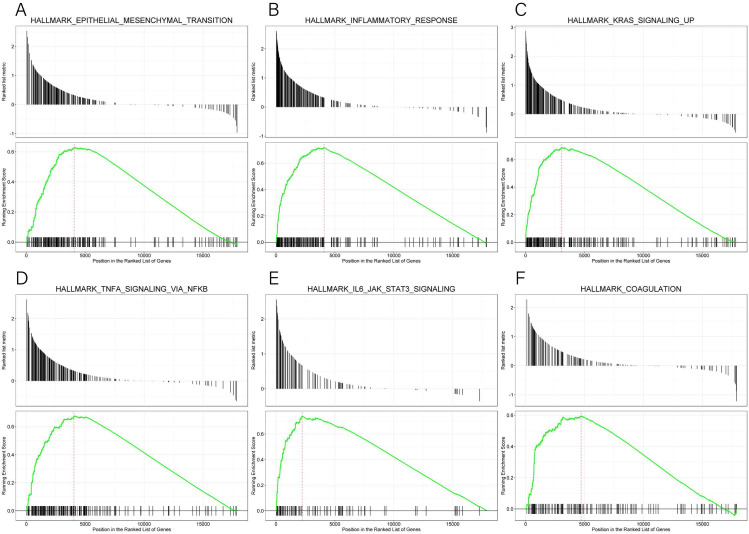
We examined the differential expression of KLRB1 in pan-cancer. Clinical and RNA-Seq data from BC samples were evaluated in The Cancer Genome Atlas (TCGA) and validated in Gene Expression Omnibus (GEO) datasets and by immunohistochemistry (IHC) staining. The relationship between KLRB1 and clinical parameters was explored through Chi-square tests. The diagnostic value of KLRB1 was evaluated using a receiver operating characteristic (ROC) curve. Survival analysis was tested by Kaplan-Meier curves to demonstrate the relationship between KLRB1 and survival. Univariable and multivariate cox regression analyses were carried out as well. The analysis of immune infiltration level and gene set enrichment analysis (GSEA) were conducted to examine KLRB1's mechanism during the progression of BC. We used the Tumor Immune Estimation Resource (TIMER), the Cancer Single-cell Expression Map (CancerSCEM) database, the Tumor Immune Single-cell Hub (TISCH) database, and the Cell-type Identification by Estimating Relative Subsets of RNA Transcripts (CIBERSORT) method to explore KLRB1's association with immune infiltration level and different quantitative distribution of immune cells. The relevant signaling pathways in BC associated with KLRB1 were identified using GSEA.
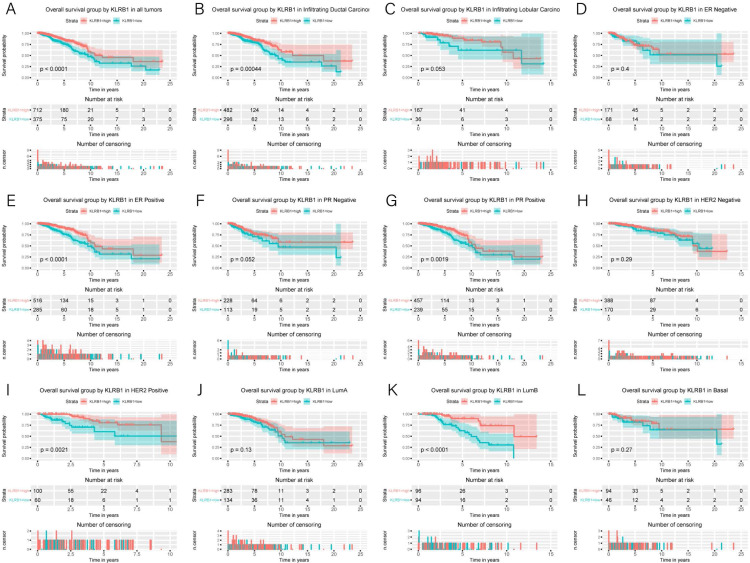
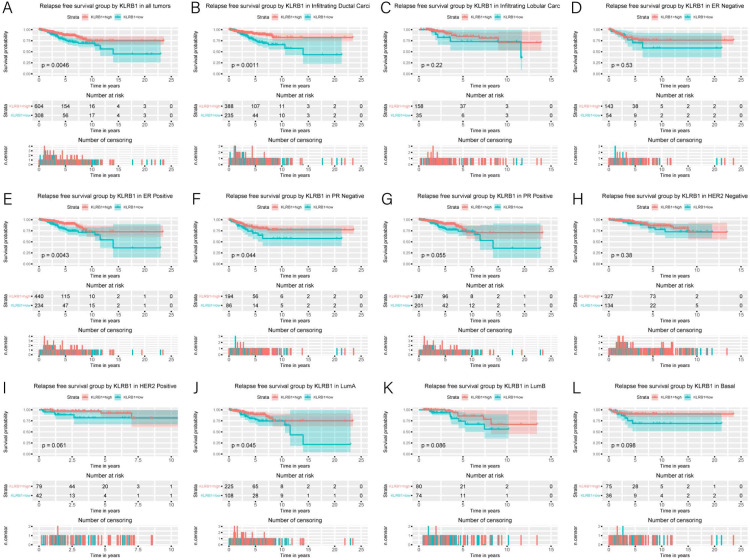
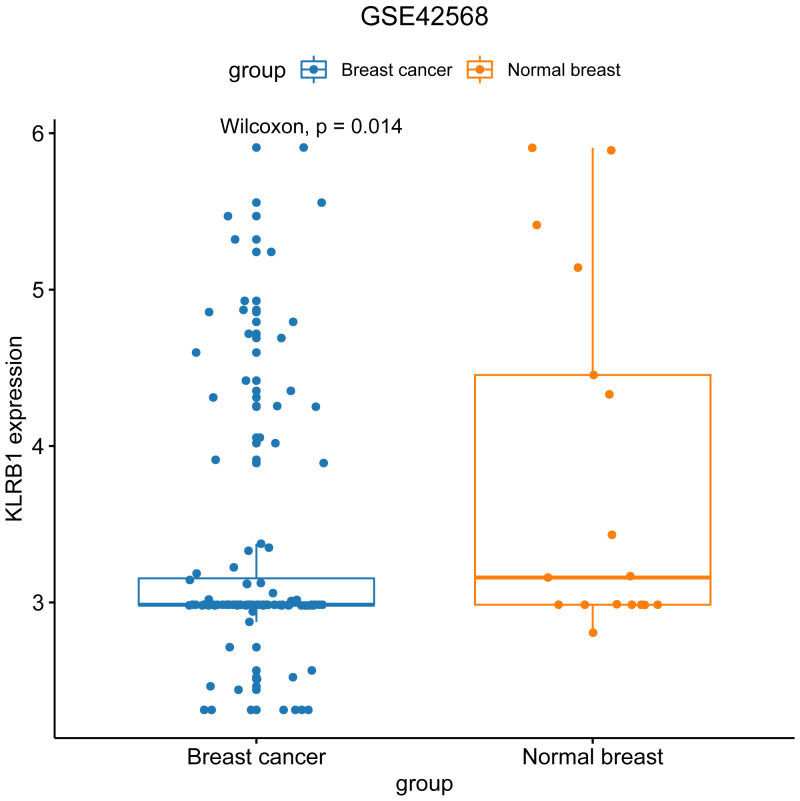
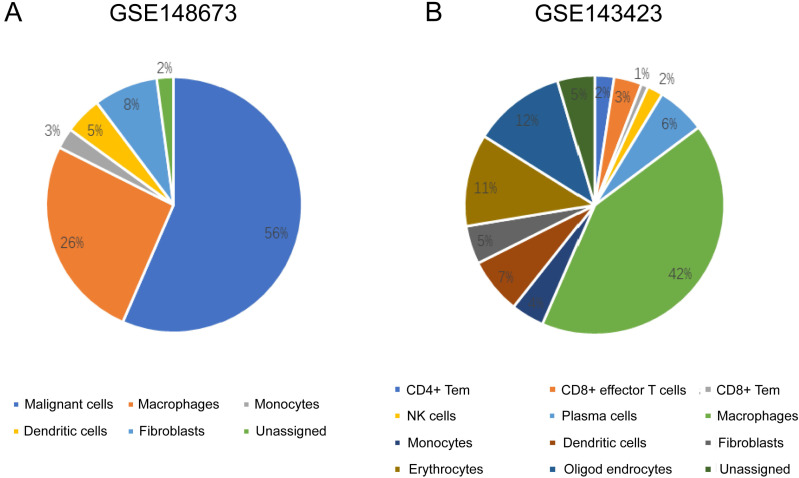
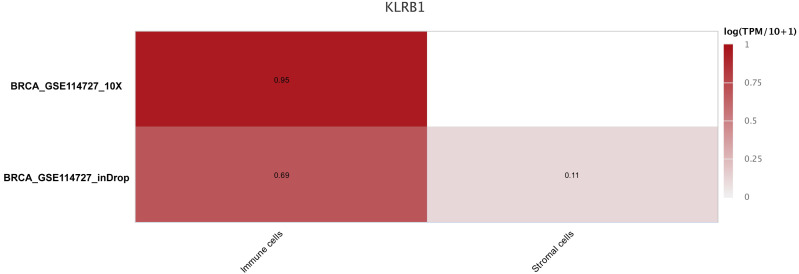
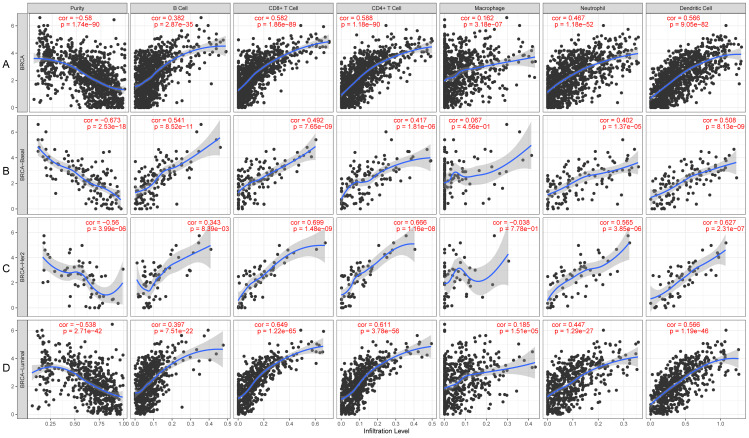
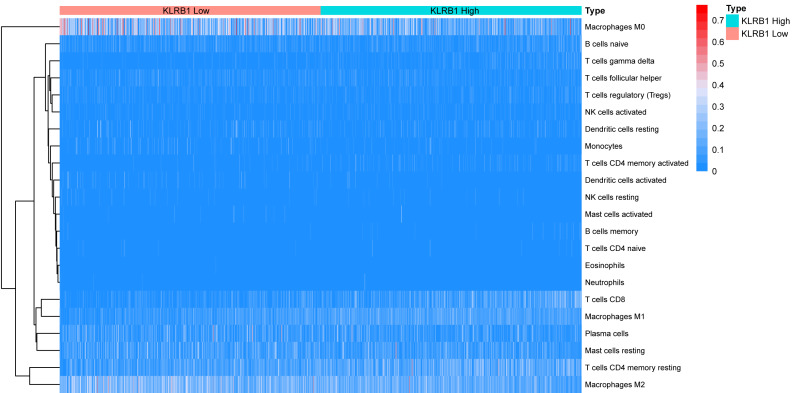
The expression of KLRB1 was downregulated across the majority of cancers including BC. The lower KLRB1 expression group exhibited shorter relapse free survival (RFS) and overall survival (OS). IHC staining showed that KLRB1 staining was weaker in breast tumor tissues than in paratumors. Additionally, GSEA identified several pathway items distinctly enriched in BC. KLRB1 expression level was also positively related to the infiltrating number of immune cells in BC. Moreover, the CancerSCEM and TISCH databases as well as the CIBERSORT method demonstrated the close relationship between KLRB1 and immune cells, particularly macrophages.
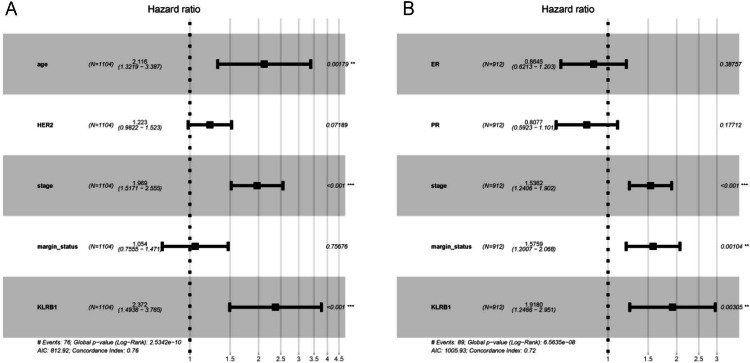
Low KLRB1 expression was considered an independent prognostic biomarker and played an important role in the tumor immune microenvironment of BC patients.
杀伤细胞凝集素样受体B1(KLRB1)是自然杀伤细胞基因家族的重要成员。本研究探讨了KLRB1作为乳腺癌(BC)生物标志物的潜在价值及其在BC发生发展过程中与肿瘤免疫微环境的密切关系。
我们检测了KLRB1在泛癌中的差异表达。来自BC样本的临床和RNA测序数据在癌症基因组图谱(TCGA)中进行评估,并在基因表达综合数据库(GEO)数据集中以及通过免疫组织化学(IHC)染色进行验证。通过卡方检验探索KLRB1与临床参数之间的关系。使用受试者工作特征(ROC)曲线评估KLRB1的诊断价值。通过Kaplan-Meier曲线进行生存分析,以证明KLRB1与生存之间的关系。还进行了单变量和多变量cox回归分析。进行免疫浸润水平分析和基因集富集分析(GSEA),以研究KLRB1在BC进展过程中的作用机制。我们使用肿瘤免疫评估资源(TIMER)、癌症单细胞表达图谱(CancerSCEM)数据库、肿瘤免疫单细胞中心(TISCH)数据库以及通过估计RNA转录本相对子集进行细胞类型鉴定(CIBERSORT)方法,来探索KLRB1与免疫浸润水平以及免疫细胞不同定量分布的关联。使用GSEA鉴定BC中与KLRB1相关的信号通路。
在包括BC在内的大多数癌症中,KLRB1的表达均下调。KLRB1表达较低的组显示无复发生存期(RFS)和总生存期(OS)较短。IHC染色显示,乳腺肿瘤组织中的KLRB1染色比癌旁组织弱。此外,GSEA鉴定出BC中明显富集的几个通路项。KLRB1表达水平也与BC中免疫细胞的浸润数量呈正相关。此外,CancerSCEM和TISCH数据库以及CIBERSORT方法证明了KLRB1与免疫细胞,特别是巨噬细胞之间的密切关系。
低KLRB1表达被认为是一种独立的预后生物标志物,并且在BC患者的肿瘤免疫微环境中发挥重要作用。