Sanford Burnham Prebys Medical Discovery Institute, La Jolla, CA 92037.
Cend Therapeutics, San Diego, CA 92130.
Proc Natl Acad Sci U S A. 2022 Jul 12;119(28):e2200183119. doi: 10.1073/pnas.2200183119. Epub 2022 Jun 30.
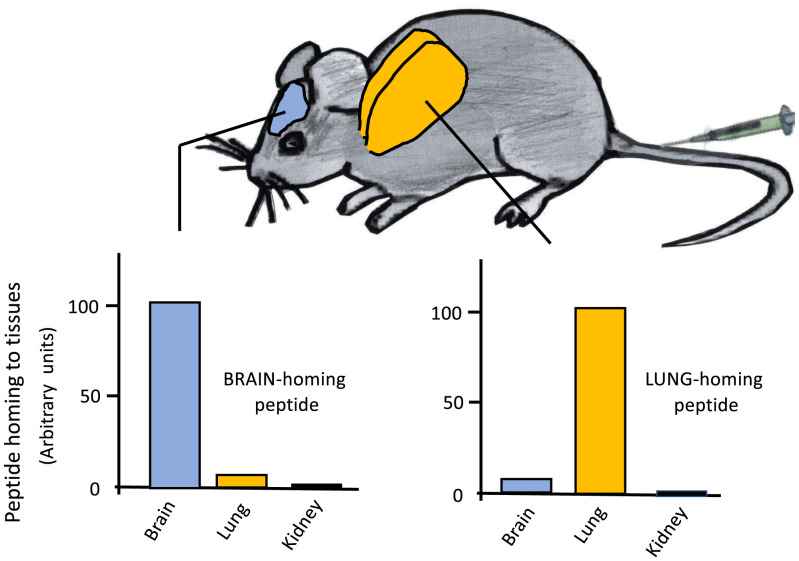
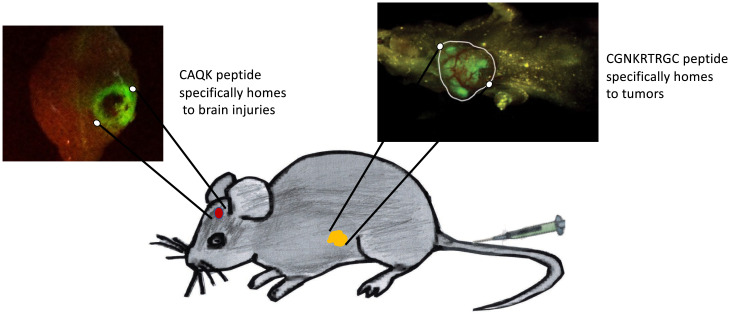
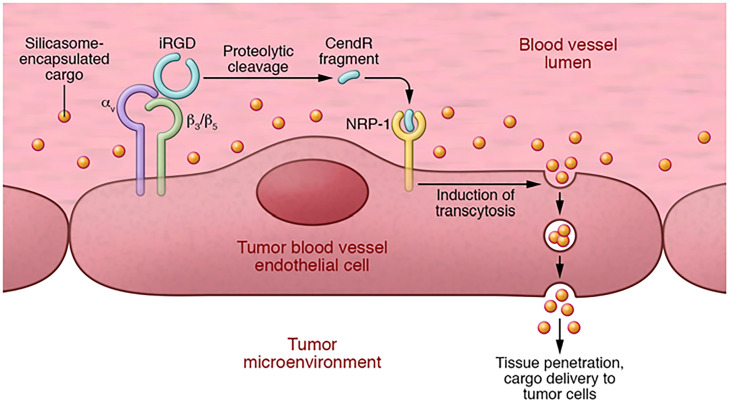
The term "molecular ZIP (or area) codes" refers to an originally hypothetical system of cell adhesion molecules that would control cell trafficking in the body. Subsequent discovery of the integrins, cadherins, and other cell adhesion molecules confirmed this hypothesis. The recognition system encompassing integrins and their ligands came particularly close to fulfilling the original ZIP code hypothesis, as multiple integrins with closely related specificities mediate cell adhesion by binding to an RGD or related sequence in various extracellular matrix proteins. Diseased tissues have their own molecular addresses that, although not necessarily involved in cell trafficking, can be made use of in targeted drug delivery. This article discusses the molecular basis of ZIP codes and the extensive effort under way to harness them for drug delivery purposes.
“分子 ZIP(或区域)码”一词是指最初假设的细胞粘附分子系统,该系统可控制体内细胞的迁移。随后发现的整合素、钙黏蛋白和其他细胞粘附分子证实了这一假设。整合素及其配体的识别系统特别接近满足原始 ZIP 码假说,因为具有密切相关特异性的多种整合素通过与各种细胞外基质蛋白中的 RGD 或相关序列结合来介导细胞粘附。患病组织具有自己的分子地址,尽管它们不一定参与细胞迁移,但可以用于靶向药物递送。本文讨论了 ZIP 码的分子基础以及为了药物递送目的而利用它们的广泛努力。