Chan Yinghan, Singh Sachin Kumar, Gulati Monica, Wadhwa Sheetu, Prasher Parteek, Kumar Deepak, Kumar Avvaru Praveen, Gupta Gaurav, Kuppusamy Gowthamarajan, Haghi Mehra, George Oliver Brian Gregory, Adams Jon, Chellappan Dinesh Kumar, Dua Kamal
Department of Life Sciences, School of Pharmacy, International Medical University (IMU), Bukit Jalil, 57000, Kuala Lumpur, Malaysia.
School of Pharmaceutical Sciences, Lovely Professional University, Phagwara, 144411, Punjab, India.
J Drug Deliv Sci Technol. 2022 Aug;74:103541. doi: 10.1016/j.jddst.2022.103541. Epub 2022 Jun 23.
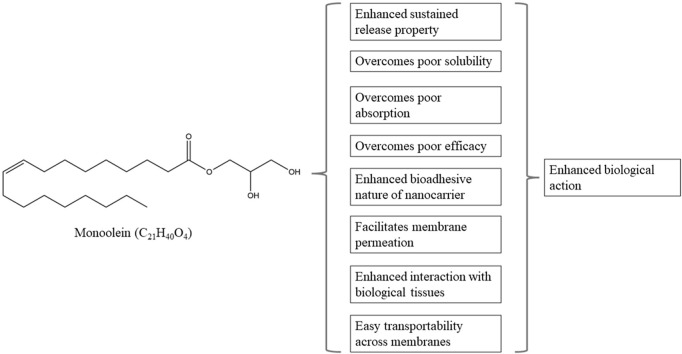
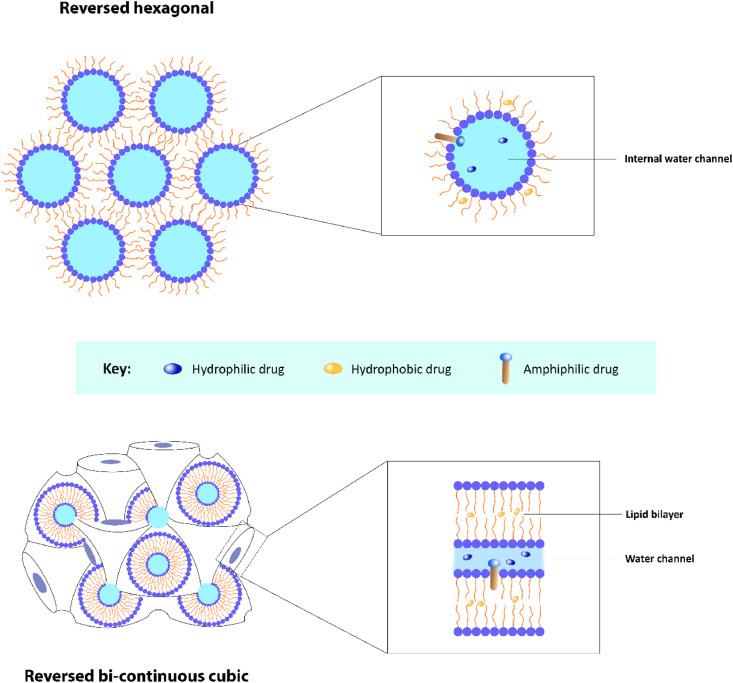
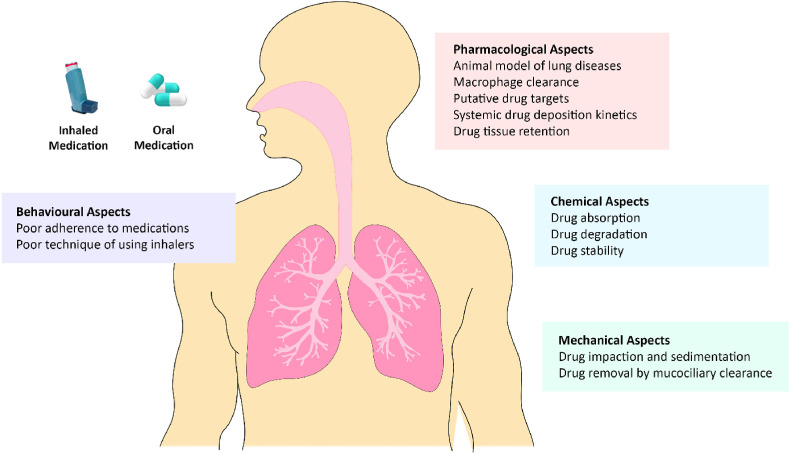
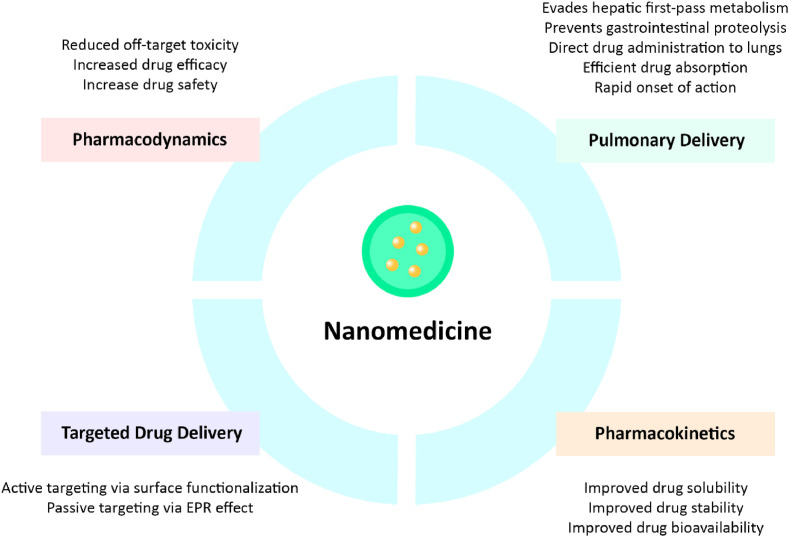
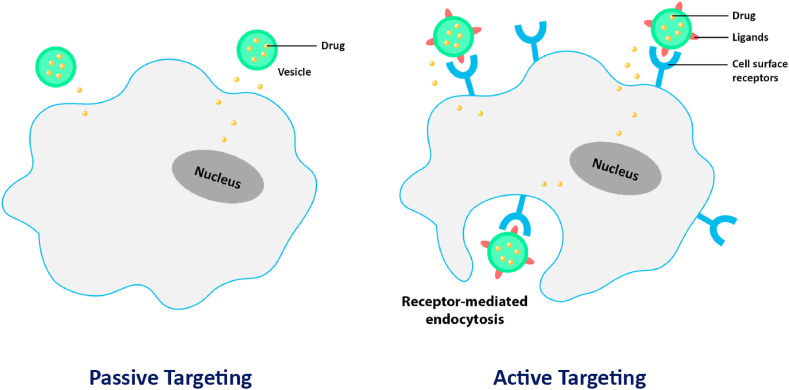
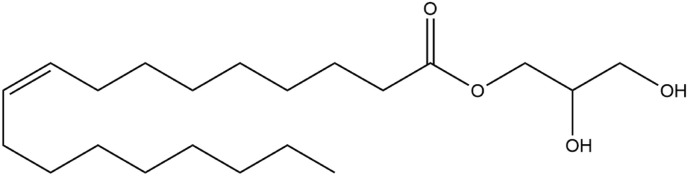
Chronic lung diseases such as asthma, chronic obstructive pulmonary disease, lung cancer, and the recently emerged COVID-19, are a huge threat to human health, and among the leading causes of global morbidity and mortality every year. Despite availability of various conventional therapeutics, many patients remain poorly controlled and have a poor quality of life. Furthermore, the treatment and diagnosis of these diseases are becoming increasingly challenging. In the recent years, the application of nanomedicine has become increasingly popular as a novel strategy for diagnosis, treatment, prevention, as well as follow-up of chronic lung diseases. This is attributed to the ability of nanoscale drug carriers to achieve targeted delivery of therapeutic moieties with specificity to diseased site within the lung, thereby enhancing therapeutic outcomes of conventional therapies whilst minimizing the risks of adverse reactions. For this instance, monoolein is a polar lipid nanomaterial best known for its versatility, thermodynamic stability, biocompatibility, and biodegradability. As such, it is commonly employed in liquid crystalline systems for various drug delivery applications. In this review, we present the applications of monoolein as a novel nanomaterial-based strategy for targeted drug delivery with the potential to revolutionize therapeutic approaches in chronic lung diseases.
哮喘、慢性阻塞性肺疾病、肺癌以及最近出现的新冠肺炎等慢性肺部疾病,对人类健康构成巨大威胁,是每年全球发病和死亡的主要原因之一。尽管有各种传统疗法,但许多患者的病情仍控制不佳,生活质量较差。此外,这些疾病的治疗和诊断正变得越来越具有挑战性。近年来,纳米医学作为一种用于慢性肺部疾病诊断、治疗、预防及随访的新策略,其应用越来越广泛。这归因于纳米级药物载体能够将治疗部分特异性地靶向递送至肺部的病变部位,从而提高传统疗法的治疗效果,同时将不良反应风险降至最低。例如,单油酸甘油酯是一种极性脂质纳米材料,以其多功能性、热力学稳定性、生物相容性和生物可降解性而闻名。因此,它通常用于各种药物递送应用的液晶系统中。在这篇综述中,我们介绍了单油酸甘油酯作为一种基于新型纳米材料的靶向药物递送策略的应用,该策略有可能彻底改变慢性肺部疾病的治疗方法。