Brahimi Amal, Landschoot Sofie, Bekaert Boris, Hajji Lhoussain, Hajjaj Hassan, Audenaert Kris, Haesaert Geert, Mazouz Hamid
Biotechnologies and Valorization of Biological Resources Laboratory, Faculty of Science of Meknes, University of Moulay Ismail, P.B 11201, Zitoune, Meknes, Morocco.
Department of Plants and Crops, Faculty of Bioscience Engineering, Ghent University, Valentin Vaerwyckweg 1, 9000, Ghent, Belgium.
J Genet Eng Biotechnol. 2022 Jul 3;20(1):96. doi: 10.1186/s43141-022-00381-w.
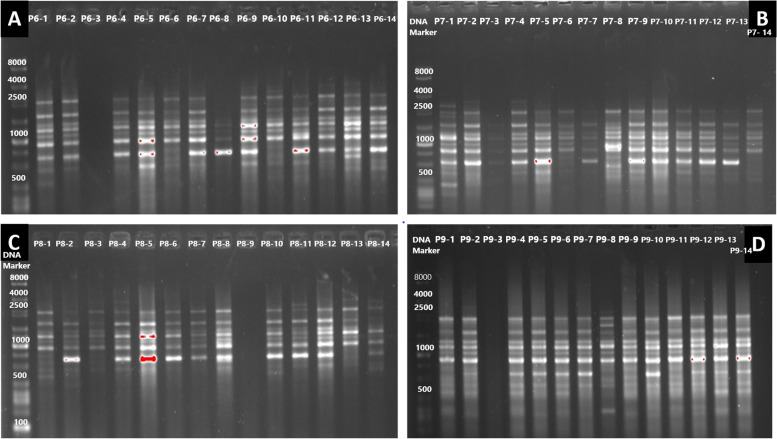
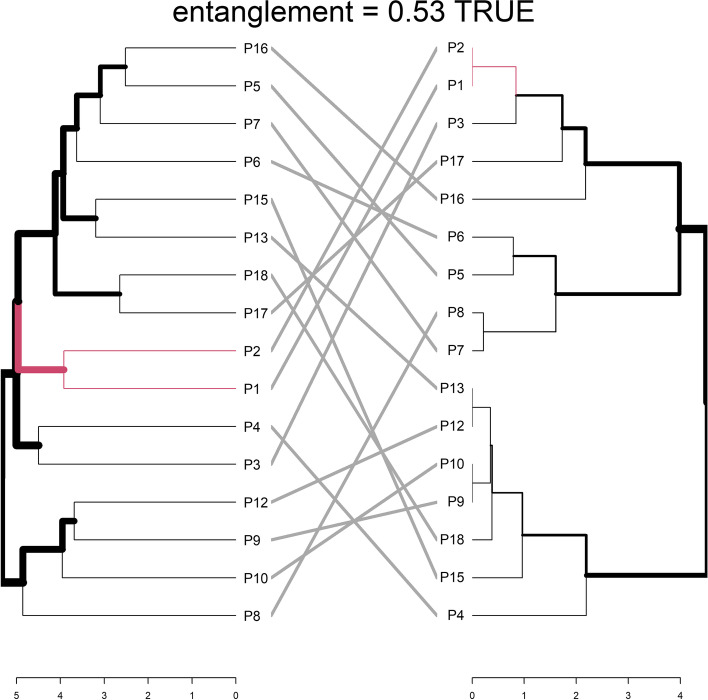
Gaining insight into crop diversity, both at the genetic and phenotypic levels, is of prime importance for onion breeding with an enhanced yield and quality in combination with improved resistance to biotic and abiotic stresses. In the current study, 192 different onion plants, representing 16 ecotypes, were characterized using ISSR markers.
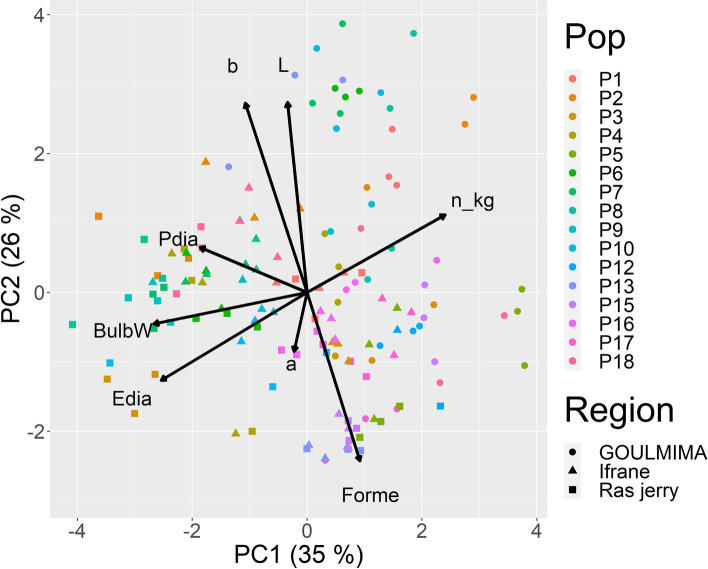
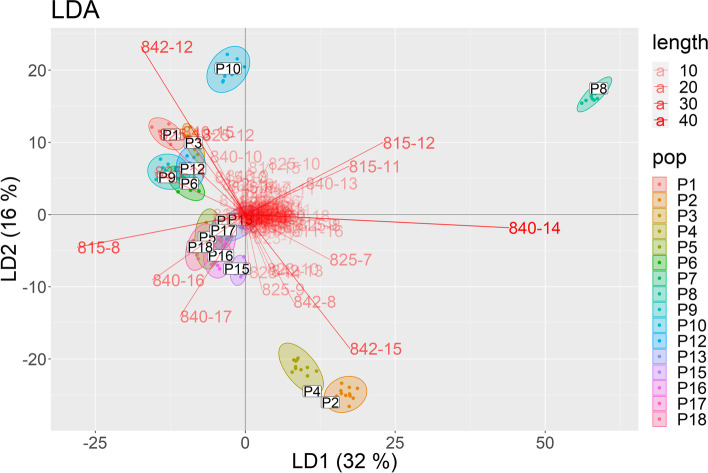
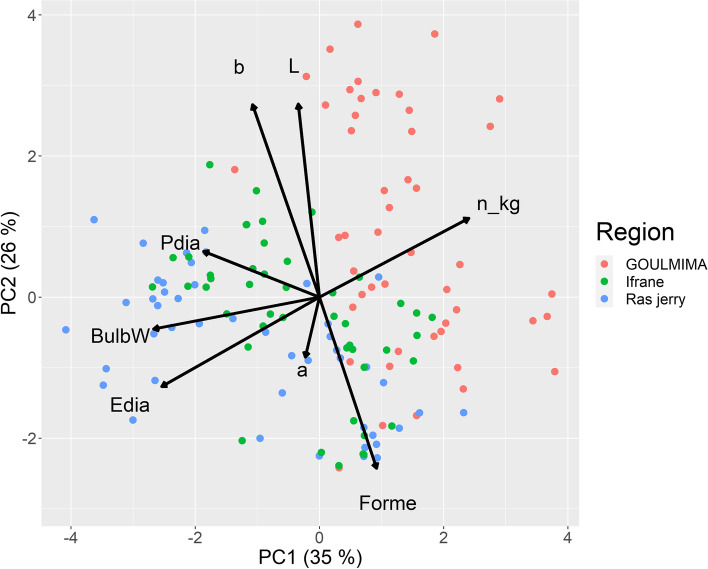
Based on the ISSR marker profile, there was a clear grouping of the plants into 16 different ecotypes. Though the 16 populations originated from the same geographic region in Morocco, a significant genetic diversity was detected. After a genomic characterization, field trials in three different environments in Morocco were laid out. The phenotypic characterization showed that there were always significant differences between ecotypes, and for most traits, there was also a significant environmental effect and a significant interaction between environment and ecotype. The broad-sense heritability (H) for the phenotypic traits associated with color (L*, a*, and b*) was the largest (84.2%, 80.6%, 79.2%), demonstrating that color is conditioned primarily by genetic factors. In contrast, the H for yield was the lowest (41.8%), indicating that the environment has a substantial effect on yield. In addition, there was a significant association between the presence/absence of certain bands and various phenotypic traits.
ISSR markers are a powerful tool in distinguishing onion ecotypes. In addition, significant associations between marker scores and phenotypic traits could be detected, representing particular importance for future breeding programs.
在遗传和表型水平上深入了解作物多样性,对于洋葱育种至关重要,可提高产量和品质,并增强对生物和非生物胁迫的抗性。在本研究中,使用ISSR标记对代表16个生态型的192种不同洋葱植株进行了特征分析。
基于ISSR标记图谱,这些植株明显分为16个不同的生态型。尽管这16个群体来自摩洛哥的同一地理区域,但检测到显著的遗传多样性。在进行基因组特征分析后,在摩洛哥的三种不同环境中开展了田间试验。表型特征分析表明,生态型之间总是存在显著差异,对于大多数性状,还存在显著的环境效应以及环境与生态型之间的显著相互作用。与颜色相关的表型性状(L*、a和b)的广义遗传力(H)最大(分别为84.2%、80.6%、79.2%),表明颜色主要受遗传因素影响。相比之下,产量的H最低(41.8%),表明环境对产量有很大影响。此外,某些条带的有无与各种表型性状之间存在显著关联。
ISSR标记是区分洋葱生态型的有力工具。此外,可检测到标记分数与表型性状之间的显著关联,这对未来的育种计划尤为重要。