Rutgers Institute for Translational Medicine and Science, Rutgers, The State University of New Jersey, New Brunswick, New Jersey.
The Joint Graduate Program in Toxicology, Department of Pharmacology and Toxicology, Rutgers-Ernest Mario School of Pharmacy, Rutgers, The State University of New Jersey, Piscataway, New Jersey.
Am J Physiol Lung Cell Mol Physiol. 2022 Aug 1;323(2):L142-L151. doi: 10.1152/ajplung.00444.2021. Epub 2022 Jul 5.
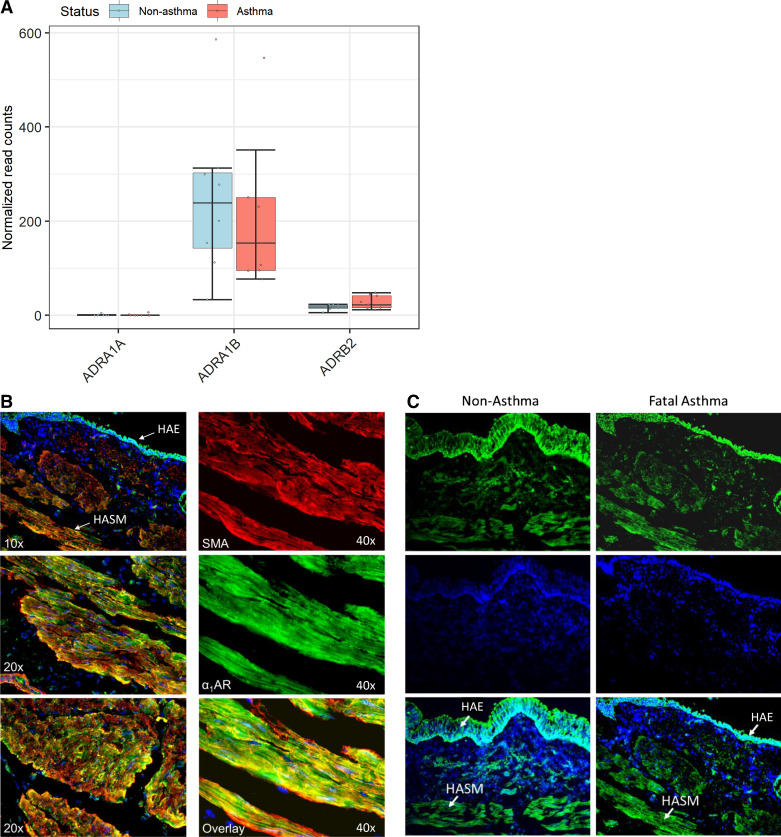
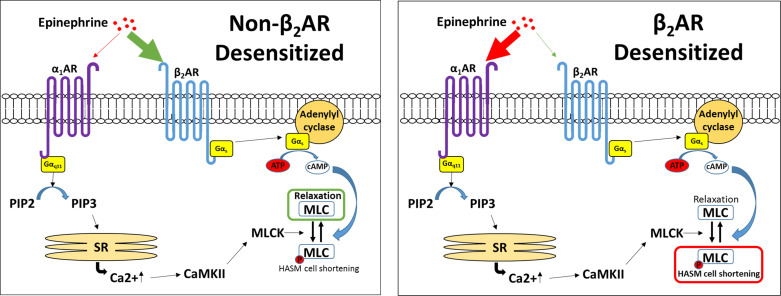
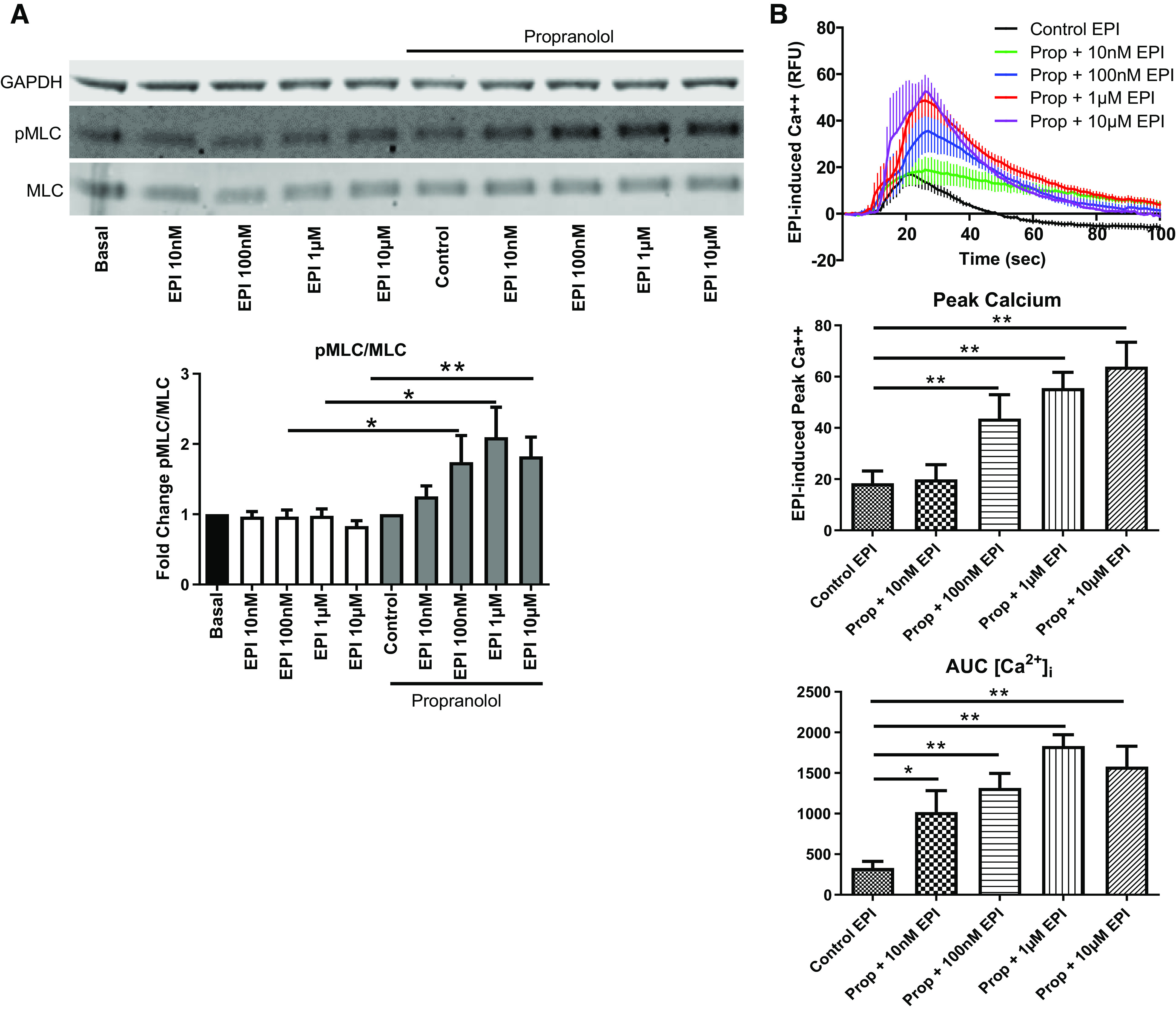
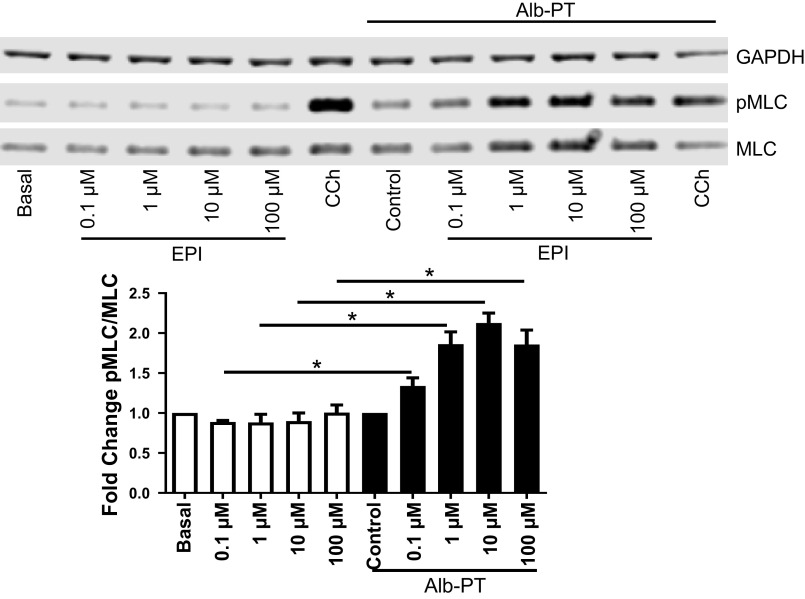
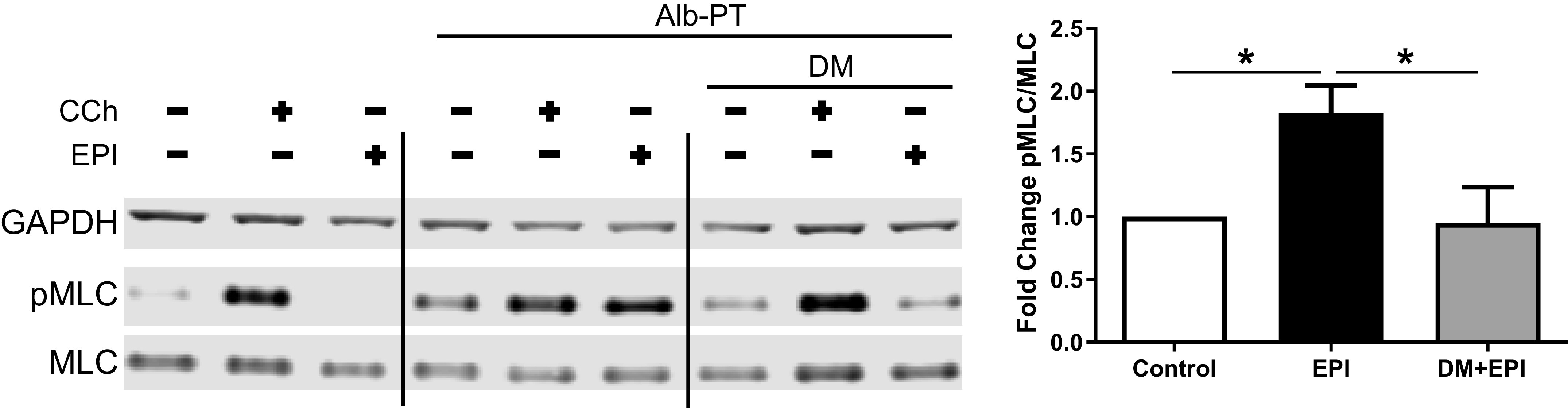
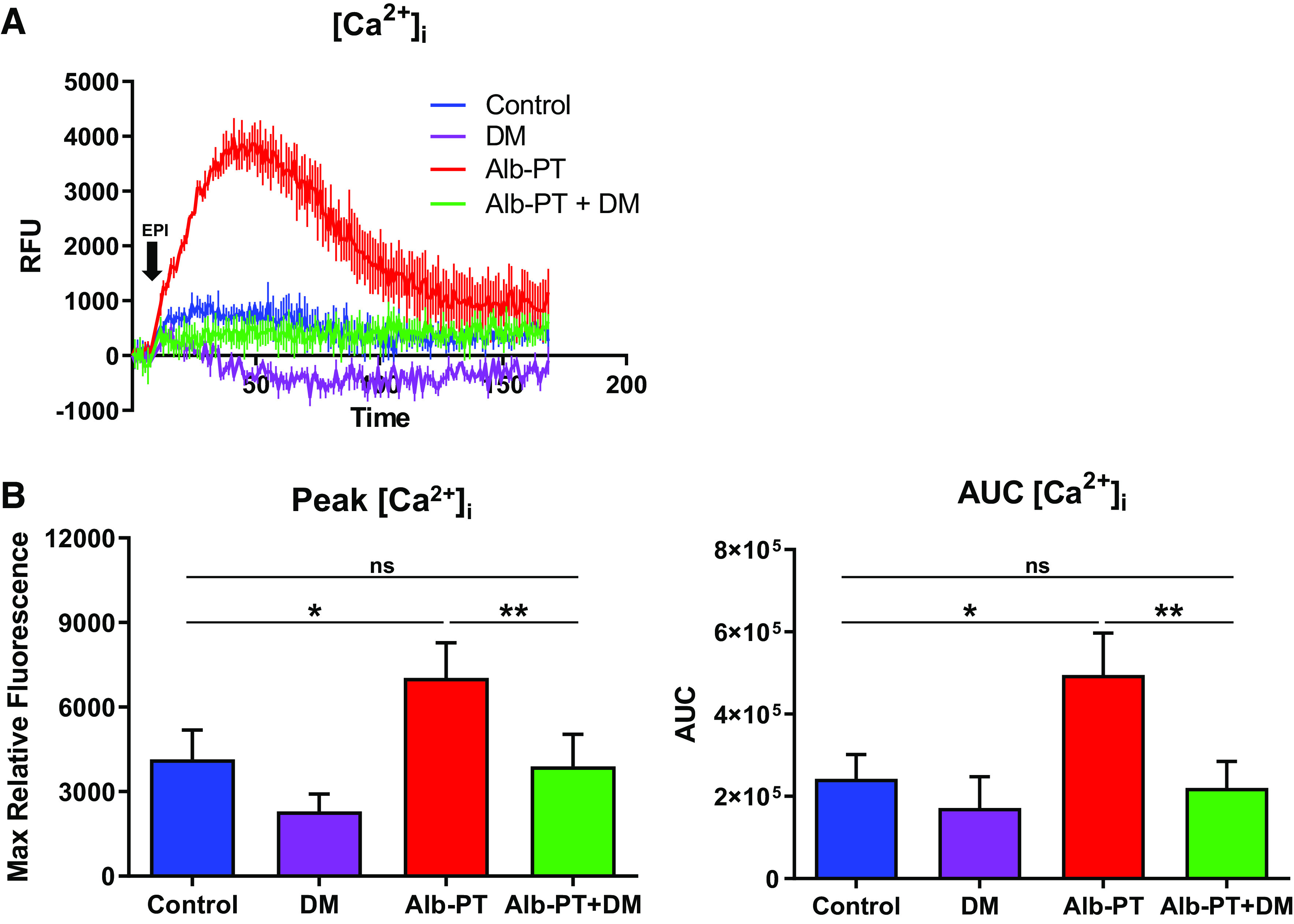
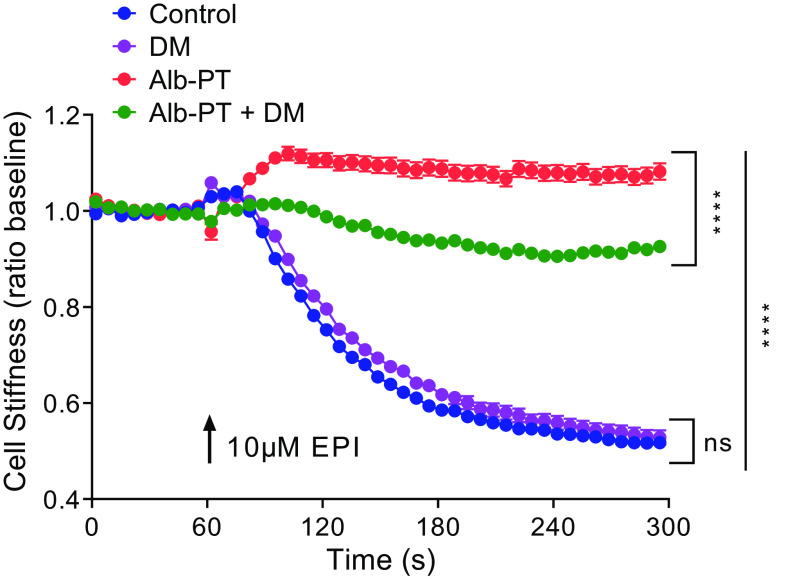
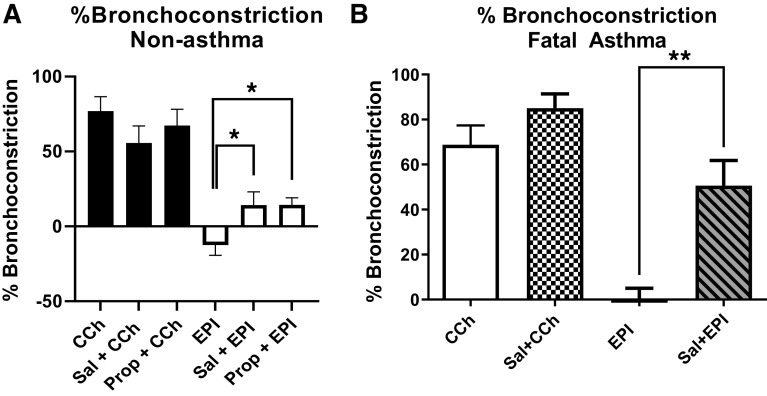
Epinephrine (EPI), an endogenous catecholamine involved in the body's fight-or-flight responses to stress, activates α-adrenergic receptors (αARs) expressed on various organs to evoke a wide range of physiological functions, including vasoconstriction. In the smooth muscle of human bronchi, however, the functional role of EPI on αARs remains controversial. Classically, evidence suggests that EPI promotes bronchodilation by stimulating β-adrenergic receptors (βARs). Conventionally, the selective βAR agonism of EPI was thought to be, in part, due to a predominance of βARs and/or a sparse, or lack of αAR activity in human airway smooth muscle (HASM) cells. Surprisingly, we find that HASM cells express a high abundance of (the αAR subtype B) and identify a spontaneous "switch-like" activation of αARs that evokes intracellular calcium, myosin light chain phosphorylation, and HASM cell shortening. The switch-like responses, and related EPI-induced biochemical and mechanical signals, emerged upon pharmacological inhibition of βARs and/or under experimental conditions that induce βAR tachyphylaxis. EPI-induced procontractile effects were abrogated by an αAR antagonist, doxazosin mesylate (DM). These data collectively uncover a previously unrecognized feed-forward mechanism driving bronchospasm via two distinct classes of G protein-coupled receptors (GPCRs) and provide a basis for reexamining αAR inhibition for the management of stress/exercise-induced asthma and/or β-agonist insensitivity in patients with difficult-to-control, disease subtypes.
肾上腺素(EPI)是一种内源性儿茶酚胺,参与身体对压力的应激反应,激活表达在各种器官上的α-肾上腺素能受体(αARs),引起广泛的生理功能,包括血管收缩。然而,在人类支气管平滑肌中,EPI 对αARs 的功能作用仍存在争议。经典证据表明,EPI 通过刺激β-肾上腺素能受体(βARs)促进支气管扩张。传统上,EPI 的选择性βAR 激动作用被认为部分归因于βARs 的优势和/或人类气道平滑肌(HASM)细胞中αAR 活性的稀疏或缺乏。令人惊讶的是,我们发现 HASM 细胞表达大量(αAR 亚型 B),并鉴定出一种自发的“开关样”αAR 激活,引发细胞内钙、肌球蛋白轻链磷酸化和 HASM 细胞缩短。这种开关样反应以及相关的 EPI 诱导的生化和机械信号,出现在βAR 药理学抑制和/或诱导βAR 脱敏的实验条件下。αAR 拮抗剂多沙唑嗪甲磺酸盐(DM)可阻断 EPI 诱导的促收缩作用。这些数据共同揭示了一种先前未被认识的通过两种不同类型的 G 蛋白偶联受体(GPCR)驱动支气管痉挛的前馈机制,并为重新审视 αAR 抑制治疗难以控制的疾病亚型患者的应激/运动诱导哮喘和/或β-激动剂不敏感提供了依据。