Dangi Tanushree, Sanchez Sarah, Lew Min Han, Visvabharathy Lavanya, Richner Justin, Koralnik Igor J, Penaloza-MacMaster Pablo
Department of Microbiology-Immunology, Feinberg School of Medicine, Northwestern University, Chicago, IL 60611, USA.
Ken and Ruth Davee Department of Neurology, Feinberg School of Medicine, Northwestern University, Chicago, IL 60611, USA.
bioRxiv. 2022 Jun 28:2022.06.27.497248. doi: 10.1101/2022.06.27.497248.
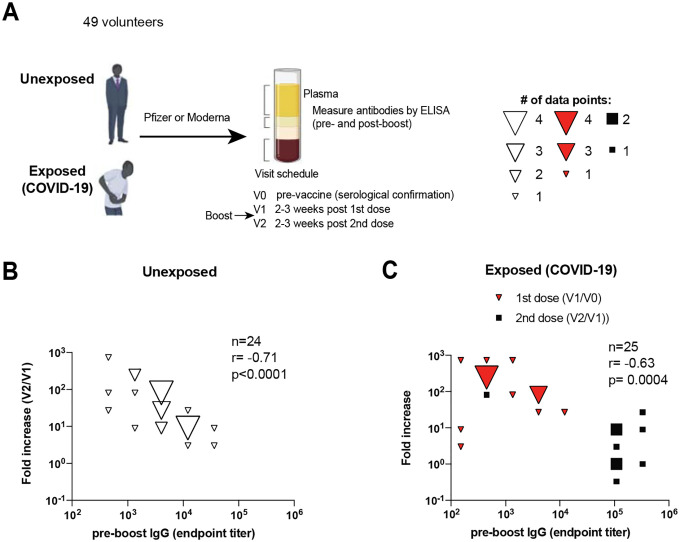
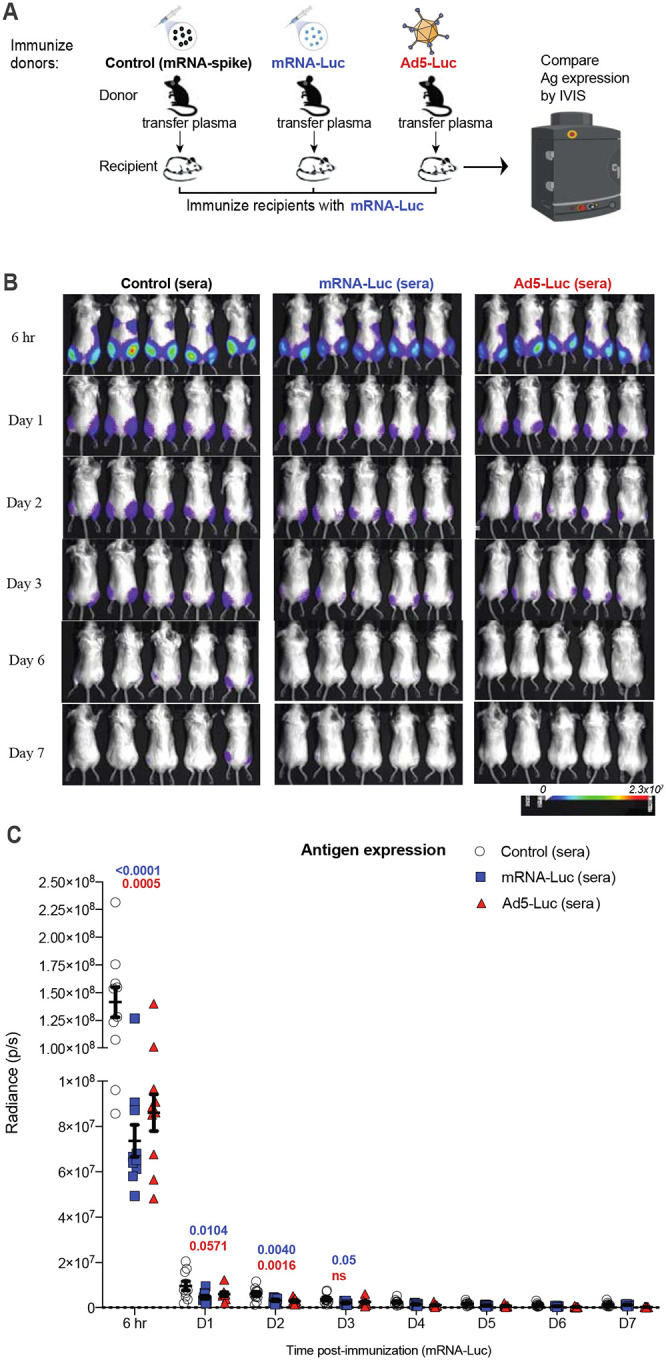
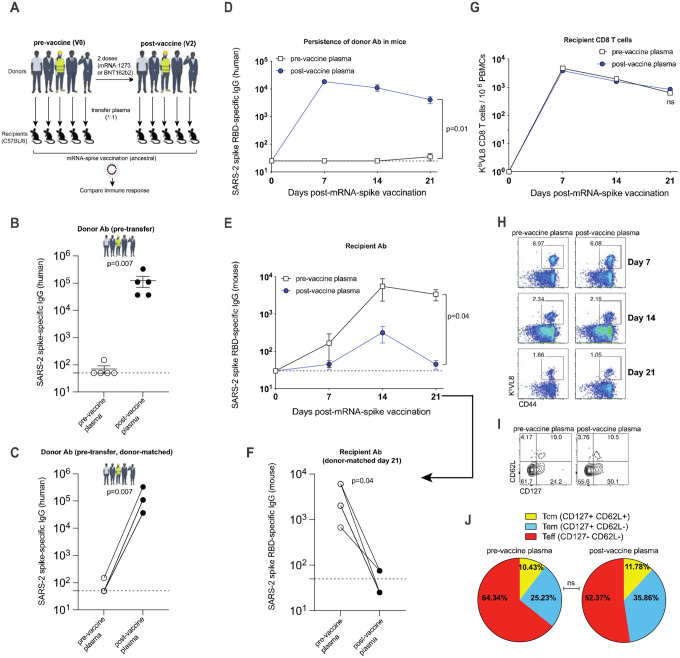
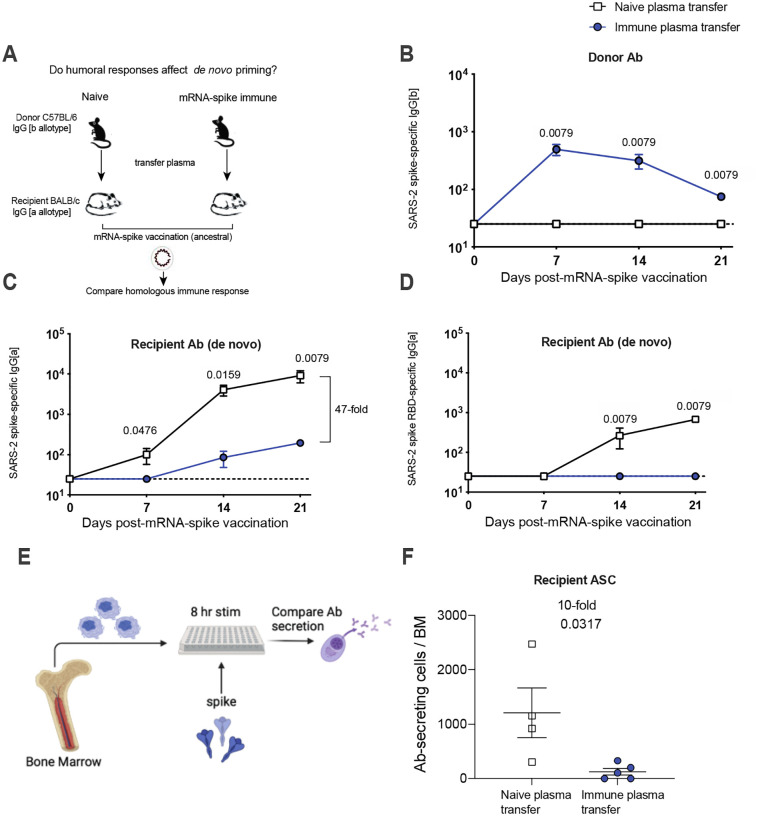
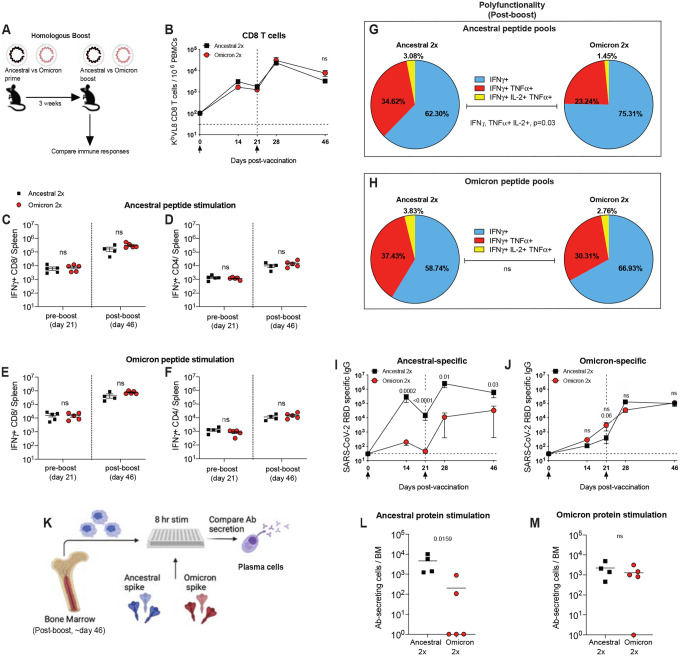
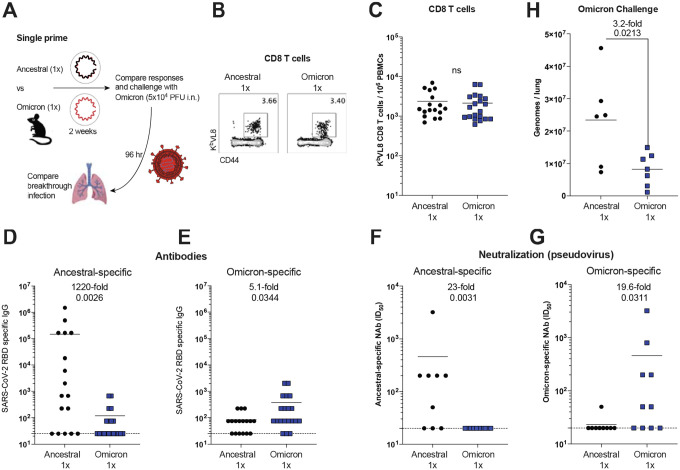
mRNA vaccines have shown high efficacy in preventing severe COVID-19, but breakthrough infections, emerging variants and waning antibody levels have warranted the use of boosters. Although mRNA boosters have been widely implemented, the extent to which pre-existing immunity influences the efficacy of boosters remains unclear. In a cohort of individuals primed with the mRNA-1273 or BNT162b2 vaccines, we observed that lower antibody levels before boost were associated with higher fold-increase in antibody levels after boost, suggesting that pre-existing antibody modulates the boosting capacity of mRNA vaccines. Mechanistic studies in mice show that pre-existing antibodies significantly limit antigen expression and priming of B cell responses after mRNA vaccination. Furthermore, we demonstrate that the relative superiority of an updated Omicron vaccine over the original vaccine is critically dependent on the serostatus of the host. These data demonstrate that pre-existing immunity dictates responses to mRNA vaccination, elucidating specific circumstances when updated SARS-CoV-2 vaccines confer superior protection to original vaccines.
mRNA疫苗在预防重症COVID-19方面已显示出高效性,但突破性感染、新出现的变体以及抗体水平下降使得加强针的使用成为必要。尽管mRNA加强针已被广泛应用,但既往免疫力对加强针效力的影响程度仍不清楚。在一组接种过mRNA-1273或BNT162b2疫苗的个体中,我们观察到加强前较低的抗体水平与加强后抗体水平的较高倍数增加相关,这表明既往抗体可调节mRNA疫苗的加强能力。在小鼠身上进行的机制研究表明,既往抗体显著限制mRNA疫苗接种后抗原的表达以及B细胞反应的启动。此外,我们证明,更新后的奥密克戎疫苗相对于原始疫苗的相对优势严重依赖于宿主的血清状态。这些数据表明,既往免疫力决定了对mRNA疫苗接种的反应,阐明了更新后的SARS-CoV-2疫苗在何种特定情况下能提供优于原始疫苗的保护。