Discipline of Pharmacology and Therapeutics, National University of Ireland, Galway, H91 TK33, Ireland.
Department of Medicine IV, University Hospital, Ludwig Maximilian University of Munich, Munich, 81377, Germany.
Endocrinology. 2022 Sep 1;163(9). doi: 10.1210/endocr/bqac102.
Adrenocortical carcinoma (ACC) is a rare aggressive cancer with low overall survival. Adjuvant mitotane improves survival but is limited by poor response rates and resistance. Mitotane's efficacy is attributed to the accumulation of toxic free cholesterol, predominantly through cholesterol storage inhibition. However, targeting this pathway has proven unsuccessful. We hypothesize that mitotane-induced free-cholesterol accumulation is also mediated through enhanced breakdown of lipid droplets.
ATCC-H295R (mitotane-sensitive) and MUC-1 (mitotane-resistant) ACC cells were evaluated for lipid content using specific BODIPY dyes. Protein expression was evaluated by immunoblotting and flow cytometry. Cell viability was measured by quantifying propidium iodide-positive cells following mitotane treatment and pharmacological inhibitors of lipolysis.
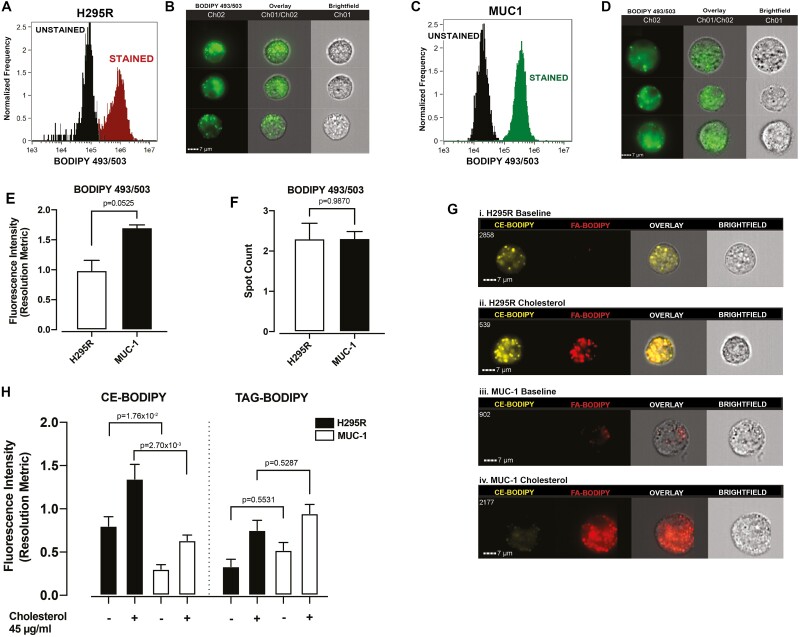
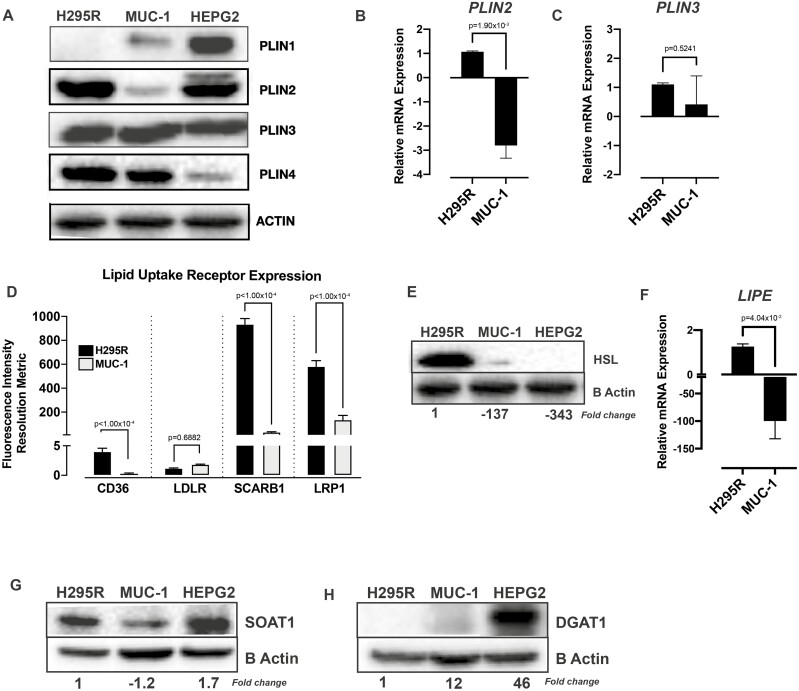
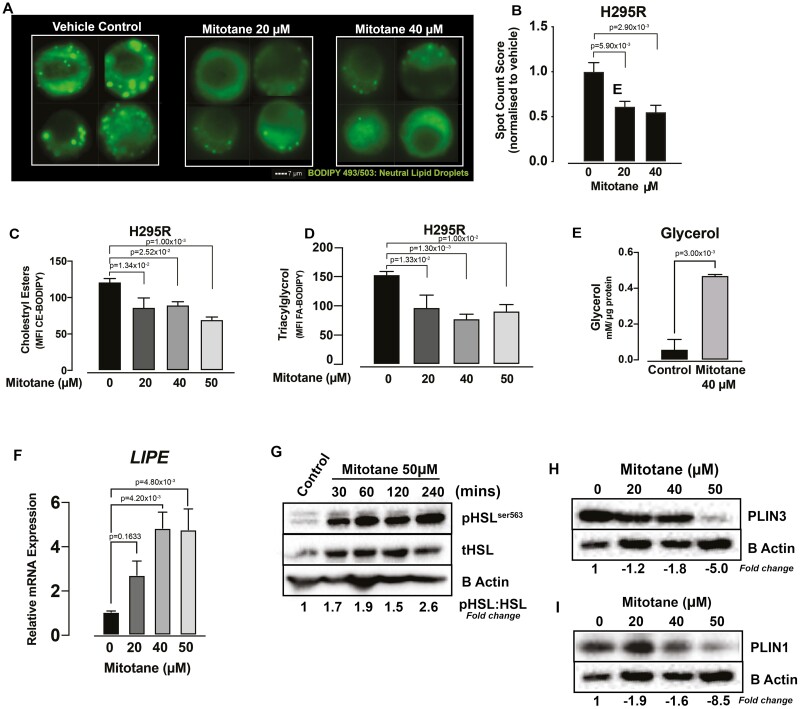
H295R and MUC-1 cells demonstrated similar neutral lipid droplet numbers at baseline. However, evaluation of lipid machinery demonstrated distinct profiles in each model. Analysis of intracellular lipid droplet content showed H295R cells preferentially store cholesteryl esters, whereas MUC-1 cells store triacylglycerol. Decreased lipid droplets were associated with increased lipolysis in H295R and in MUC-1 at toxic mitotane concentrations. Pharmacological inhibition of lipolysis attenuated mitotane-induced toxicity in both models.
We highlight that lipid droplet breakdown and activation of lipolysis represent a putative additional mechanism for mitotane-induced cytotoxicity in ACC. Further understanding of cholesterol and lipids in ACC offers potential novel therapeutic exploitation, especially in mitotane-resistant disease.
肾上腺皮质癌(ACC)是一种罕见的侵袭性癌症,整体存活率较低。辅助米托坦可提高生存率,但由于反应率低和耐药性而受到限制。米托坦的疗效归因于有毒游离胆固醇的积累,主要通过胆固醇储存抑制。然而,靶向该途径的治疗已被证明是不成功的。我们假设米托坦诱导的游离胆固醇积累也通过增强脂滴的分解来介导。
使用特定的 BODIPY 染料评估 ACC 细胞系 ATCC-H295R(米托坦敏感)和 MUC-1(米托坦耐药)中的脂质含量。通过免疫印迹和流式细胞术评估蛋白表达。通过定量米托坦处理后和脂解药理学抑制剂存在时碘化丙啶阳性细胞来测量细胞活力。
H295R 和 MUC-1 细胞在基线时显示出相似的中性脂滴数量。然而,对脂质机制的评估表明,每种模型都有不同的特征。细胞内脂滴含量分析表明,H295R 细胞优先储存胆固醇酯,而 MUC-1 细胞储存三酰基甘油。在毒性米托坦浓度下,H295R 和 MUC-1 细胞中脂滴减少与脂解作用增加相关。脂解抑制药理学抑制了两种模型中的米托坦诱导的毒性。
我们强调脂滴分解和脂解作用的激活代表了 ACC 中米托坦诱导细胞毒性的另一种潜在机制。进一步了解 ACC 中的胆固醇和脂质为提供了潜在的新的治疗靶点,特别是在米托坦耐药性疾病中。