Wang Xin-Yu, Zhu Shi-Dong, Yang Zhi-Gang, Wang Cheng-Da, Wang Ning, Zhang Yong-Qiang, Yu Feng-Ling
School of Materials Science and Engineering, Xi'an University of Petroleum, Xi'an 710065, China.
Shaanxi Key Laboratory of Carbon Dioxide Sequestration and Enhanced Oil Recovery, Shaanxi Yanchang Petroleum (Group) Co., Ltd., Xi'an 710065, China.
Materials (Basel). 2022 Jun 21;15(13):4381. doi: 10.3390/ma15134381.
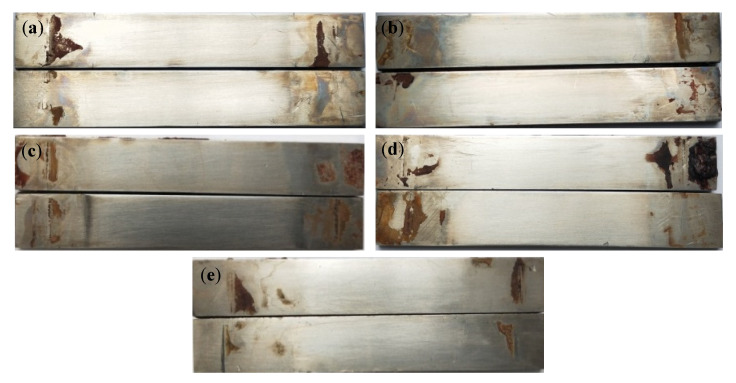
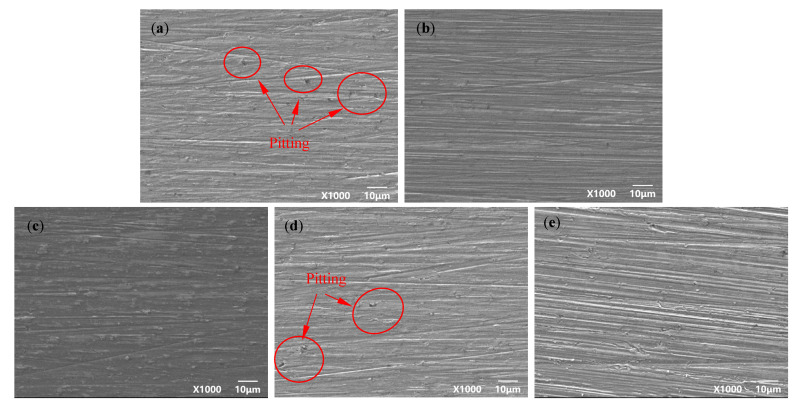
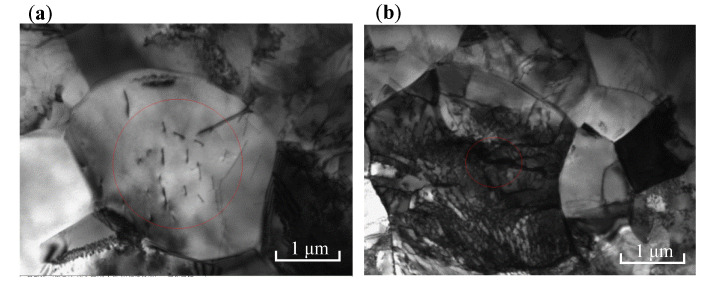
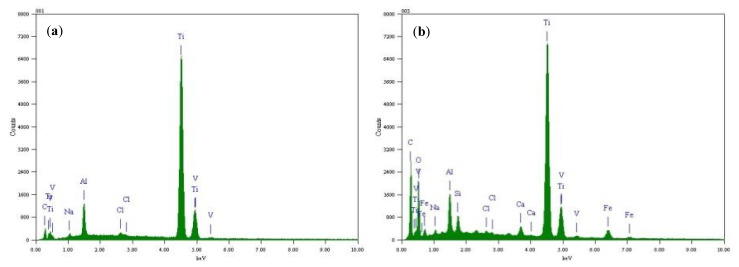
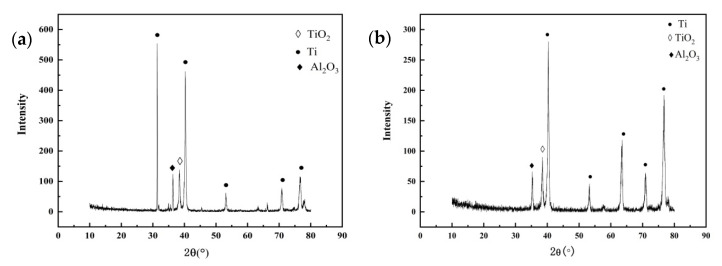
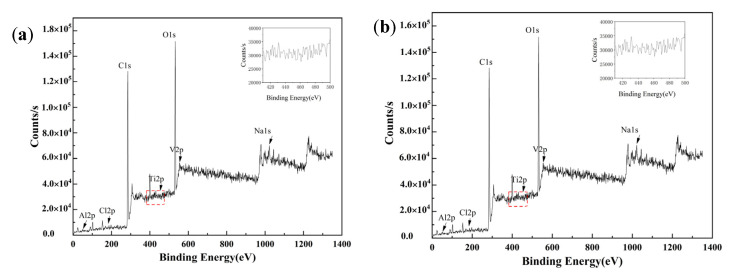
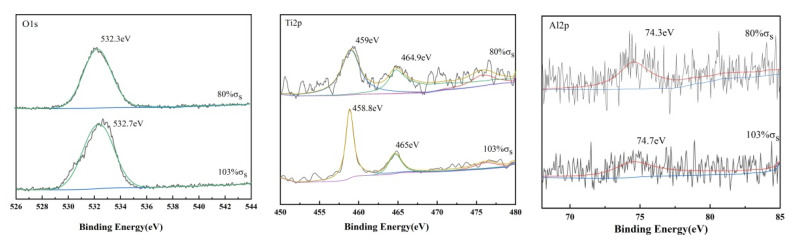
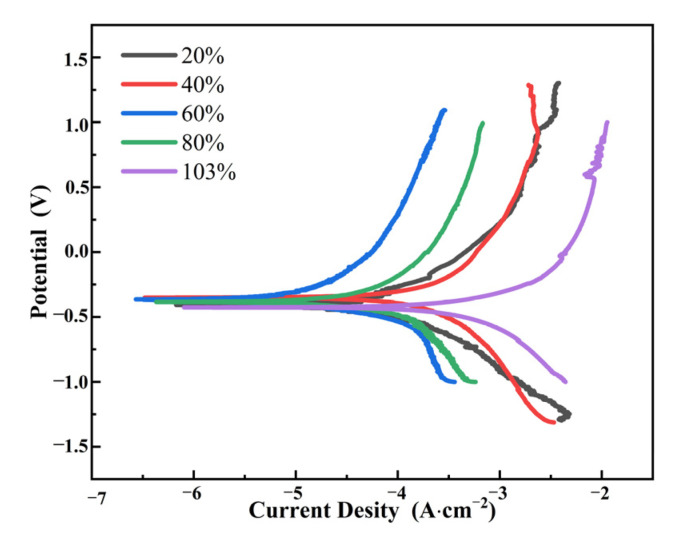
Titanium alloys have now become the first choice of tubing material used in the harsh oil- and gas-exploitation environment, while the interaction of force and medium is a serious threat to the safety and reliability of titanium alloy in service. In this paper, different stresses were applied to TC4 titanium alloy by four-point bending stress fixture, and the corrosion behavior of TC4 titanium alloy was studied by high-temperature and high-pressure simulation experiments and electrochemical techniques, and the microscopic morphologies and chemical composition of the surface film layer on the specimen were characterized by scanning electron microscopy (SEM), transmission electron microscopy (TEM), X-ray energy-dispersive spectroscopy (EDS), X-ray diffraction (XRD), and X-ray photoelectron spectroscopy (XPS), to reveal the corrosion-resistance mechanism of TC4 titanium alloy under different stress-loading conditions. The results showed that the pits appeared on the specimens loaded with elastic stress, but the degree of pitting corrosion was still lighter, and the surface film layer showed n-type semiconductor properties with cation selective permeability. While the pits on the specimens loaded with plastic stress were deeper and wider in size, and the semiconductor type of the surface film layer changed to p-type, it was easier for anions such as Cl and CO to adsorb on, destroy, and pass through the protective film and then to contact with the matrix, resulting in a decrease in corrosion resistance of TC4 titanium alloy.
钛合金现已成为恶劣油气开采环境中管材的首选材料,然而力与介质的相互作用对服役中的钛合金的安全性和可靠性构成严重威胁。本文通过四点弯曲应力夹具对TC4钛合金施加不同应力,采用高温高压模拟实验和电化学技术研究了TC4钛合金的腐蚀行为,并用扫描电子显微镜(SEM)、透射电子显微镜(TEM)、X射线能谱仪(EDS)、X射线衍射仪(XRD)和X射线光电子能谱仪(XPS)对试样表面膜层的微观形貌和化学成分进行了表征,以揭示不同应力加载条件下TC4钛合金的耐腐蚀机理。结果表明,弹性应力加载试样表面出现点蚀坑,但点蚀程度仍较轻,表面膜层呈现具有阳离子选择性渗透的n型半导体特性。而塑性应力加载试样表面的点蚀坑更深、尺寸更大,表面膜层的半导体类型转变为p型,Cl和CO等阴离子更容易吸附、破坏并穿透保护膜进而与基体接触,导致TC4钛合金耐蚀性下降。