Cserhati Matthew
Independent Researcher, 2615C Muscatel Ave., Rosemead, CA 91770, USA.
BioTech (Basel). 2021 Aug 9;10(3):17. doi: 10.3390/biotech10030017.
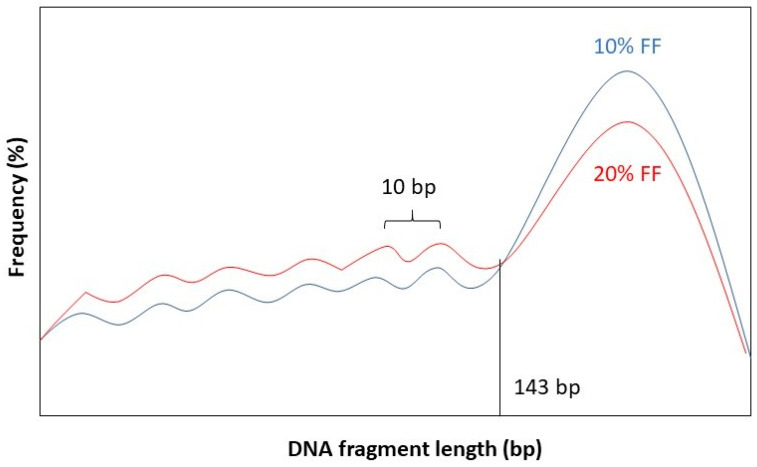
Estimating the fetal fraction of DNA in a pregnant mother's blood is a risk-free, non-invasive way of predicting fetal aneuploidy. It is a rapidly developing field of study, offering researchers a plethora of different complementary methods. Such methods include examining the differences in methylation profiles between the fetus and the mother. Others include calculating the average allele frequency based on the difference in genotype of a number of single-nucleotide polymorphisms. Differences in the length distribution of DNA fragments between the mother and the fetus as well as measuring the proportion of DNA reads mapping to the Y chromosome also constitute fetal fraction estimation methods. The advantages and disadvantages of each of these main method types are discussed. Moreover, several well-known fetal fraction estimation methods, such as SeqFF, are described and compared with other methods. These methods are amenable to not only the estimation of fetal fraction but also paternity, cancer, and transplantation monitoring studies. NIPT is safe, and should aneuploidy be detected, this information can help parents prepare mentally and emotionally for the birth of a special needs child.
估算孕妇血液中胎儿DNA的比例是一种无风险、非侵入性的预测胎儿非整倍体的方法。这是一个快速发展的研究领域,为研究人员提供了大量不同的互补方法。这些方法包括检查胎儿与母亲之间甲基化谱的差异。其他方法包括根据多个单核苷酸多态性的基因型差异计算平均等位基因频率。母亲与胎儿之间DNA片段长度分布的差异以及测量映射到Y染色体的DNA读数比例也构成了胎儿比例估算方法。本文讨论了每种主要方法类型的优缺点。此外,还描述了几种著名的胎儿比例估算方法,如SeqFF,并与其他方法进行了比较。这些方法不仅适用于胎儿比例的估算,也适用于亲子鉴定、癌症和移植监测研究。无创产前检测是安全的,如果检测到非整倍体,这些信息可以帮助父母在心理和情感上为有特殊需求的孩子的出生做好准备。