Department of Catalan Philology and General Linguistics, University of Barcelona, Barcelona, Spain.
Universitat de Barcelona Institute of Complex Systems (UBICS), Barcelona, Spain.
Hum Genet. 2022 Dec;141(12):1905-1923. doi: 10.1007/s00439-022-02469-2. Epub 2022 Jul 13.
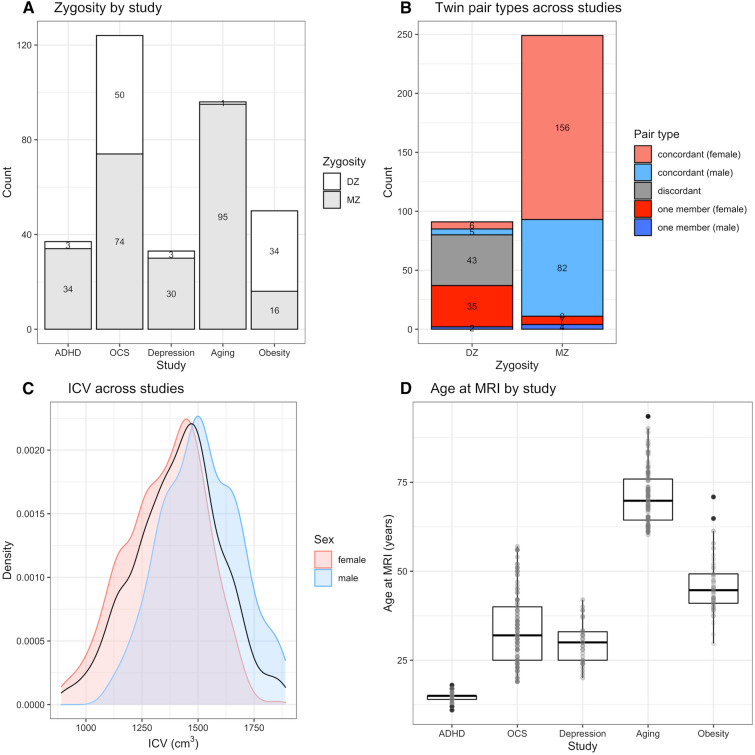
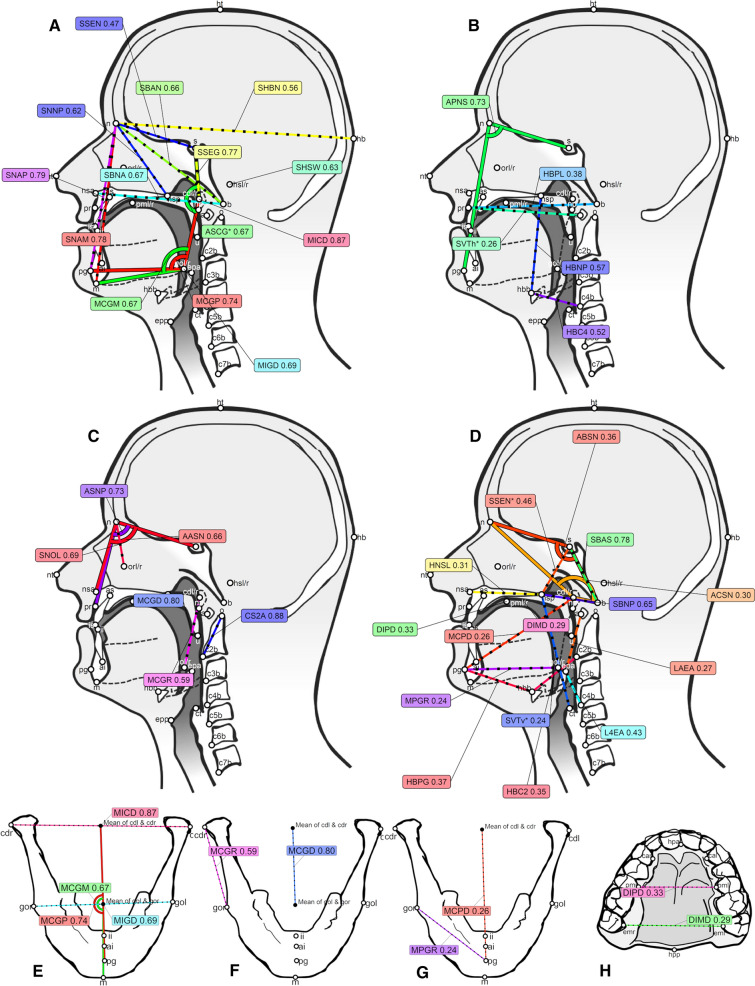
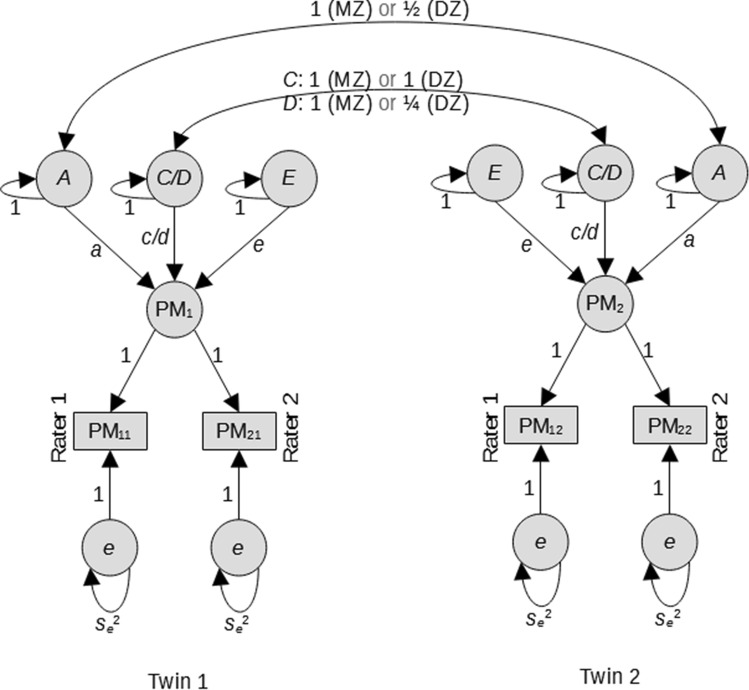
While language is expressed in multiple modalities, including sign, writing, or whistles, speech is arguably the most common. The human vocal tract is capable of producing the bewildering diversity of the 7000 or so currently spoken languages, but relatively little is known about its genetic bases, especially in what concerns normal variation. Here, we capitalize on five cohorts totaling 632 Dutch twins with structural magnetic resonance imaging (MRI) data. Two raters placed clearly defined (semi)landmarks on each MRI scan, from which we derived 146 measures capturing the dimensions and shape of various vocal tract structures, but also aspects of the head and face. We used Genetic Covariance Structure Modeling to estimate the additive genetic, common environmental or non-additive genetic, and unique environmental components, while controlling for various confounds and for any systematic differences between the two raters. We found high heritability, h, for aspects of the skull and face, the mandible, the anteroposterior (horizontal) dimension of the vocal tract, and the position of the hyoid bone. These findings extend the existing literature, and open new perspectives for understanding the complex interplay between genetics, environment, and culture that shape our vocal tracts, and which may help explain cross-linguistic differences in phonetics and phonology.
虽然语言有多种表达模式,包括手语、书写或口哨,但口语可以说是最常见的。人类的声道能够发出大约 7000 种不同的语言,但人们对其遗传基础相对知之甚少,特别是在涉及正常变异方面。在这里,我们利用五个总共包含 632 对荷兰双胞胎的结构磁共振成像 (MRI) 数据。两名评分者在每个 MRI 扫描上放置了明确的(半)地标,我们从这些扫描中得出了 146 个测量值,这些测量值可以捕捉到各种声道结构的维度和形状,以及头部和面部的各个方面。我们使用遗传协方差结构建模来估计加性遗传、共同环境或非加性遗传以及独特环境的成分,同时控制各种混杂因素和两名评分者之间的任何系统差异。我们发现头骨和面部、下颌骨、声道的前后(水平)维度以及舌骨位置等方面具有较高的遗传力,h。这些发现扩展了现有文献,并为理解塑造我们声道的遗传、环境和文化之间的复杂相互作用提供了新的视角,这可能有助于解释语音学和音韵学上的跨语言差异。