College of Life Sciences, Sichuan University, Chengdu, 610065, China.
Panxi Crops Research and Utilization Key Laboratory of Sichuan Province, Xichang University, Xichang, 615013, China.
BMC Plant Biol. 2022 Jul 14;22(1):339. doi: 10.1186/s12870-022-03715-5.
Fagopyrum (Polygonaceae) is a small plant lineage comprised of more than fifteen economically and medicinally important species. However, the phylogenetic relationships of the genus are not well explored, and the characteristics of Fagopyrum chloroplast genomes (plastomes) remain poorly understood so far. It restricts the comprehension of species diversity in Fagopyrum. Therefore, a comparative plastome analysis and comprehensive phylogenomic analyses are required to reveal the taxonomic relationship among species of Fagopyrum.
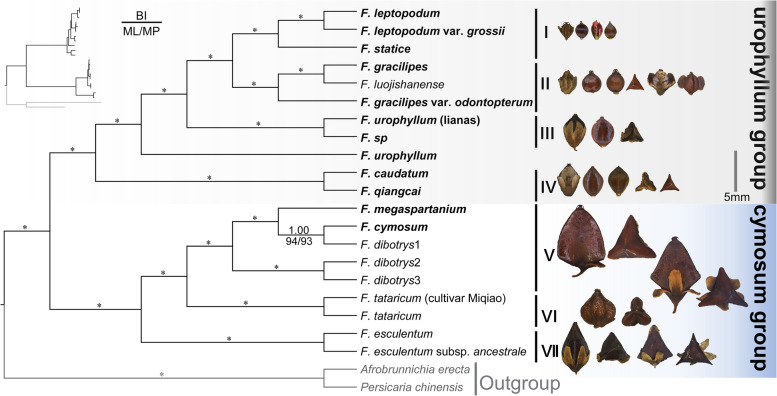
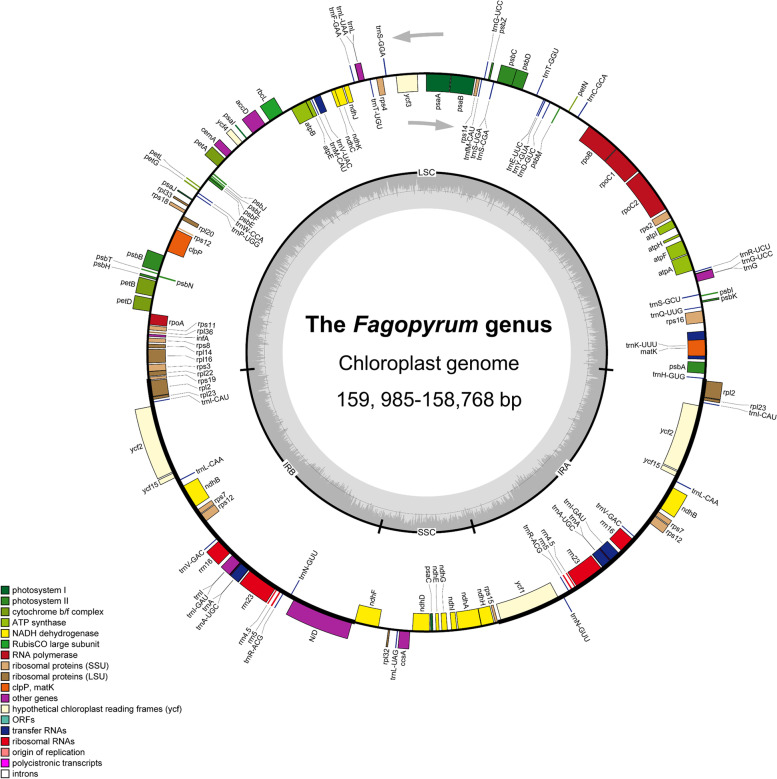
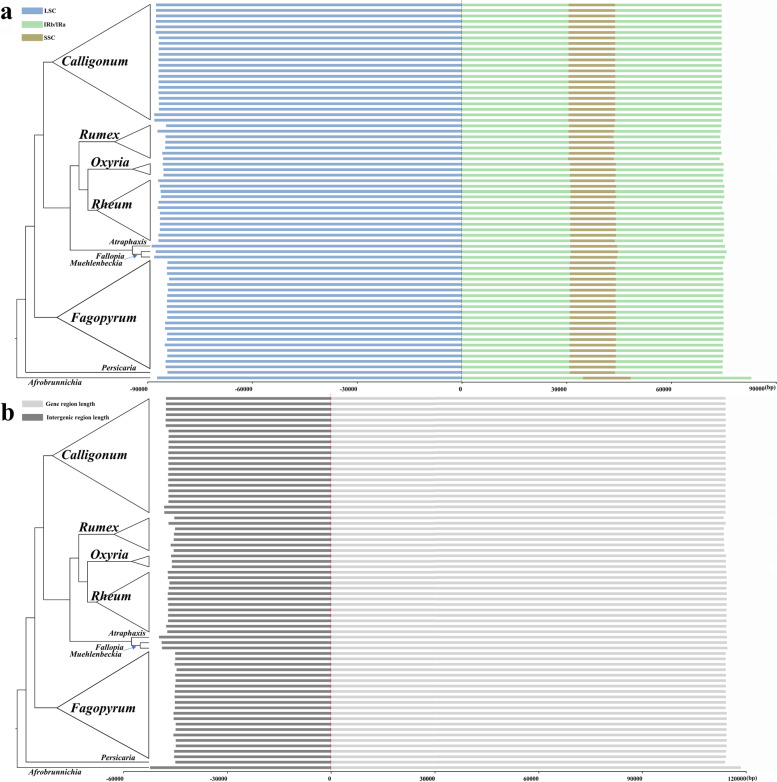
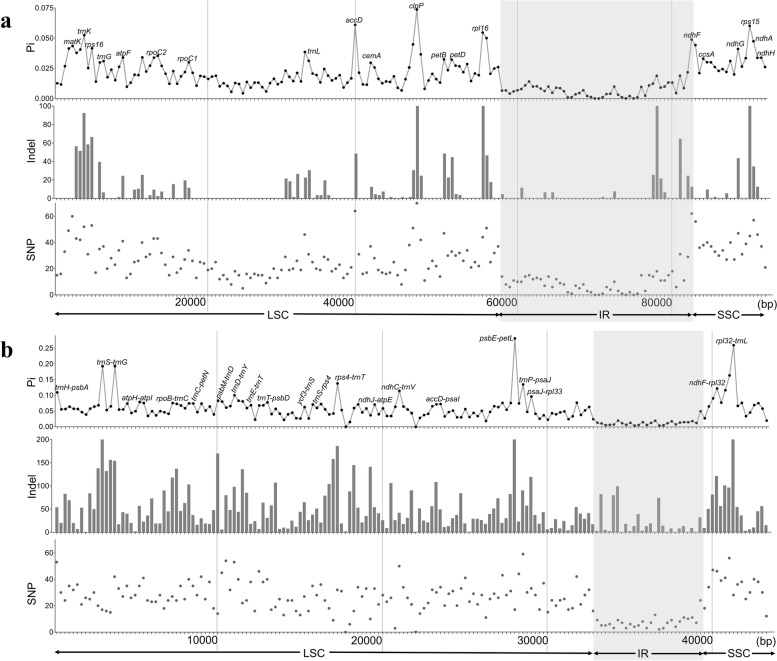
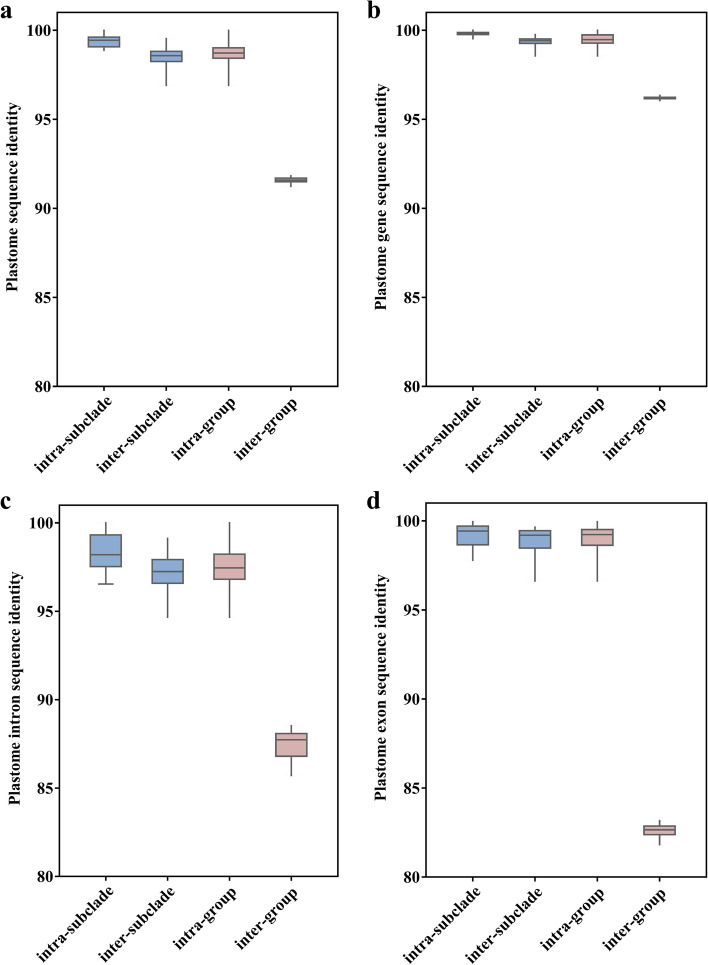
In the current study, 12 plastomes were sequenced and assembled from eight species and two varieties of Fagopyrum. In the comparative analysis and phylogenetic analysis, eight previously published plastomes of Fagopyrum were also included. A total of 49 plastomes of other genera in Polygonaceae were retrieved from GenBank and used for comparative analysis with Fagopyrum. The variation of the Fagopyrum plastomes is mainly reflected in the size and boundaries of inverted repeat/single copy (IR/SC) regions. Fagopyrum is a relatively basal taxon in the phylogenomic framework of Polygonaceae comprising a relatively smaller plastome size (158,768-159,985 bp) than another genus of Polygonaceae (158,851-170,232 bp). A few genera of Polygonaceae have nested distribution of the IR/SC boundary variations. Although most species of Fagopyrum show the same IRb/SC boundary with species of Polygonaceae, only a few species show different IRa/SC boundaries. The phylogenomic analyses of Fagopyrum supported the cymosum and urophyllum groups and resolved the systematic position of subclades within the urophyllum group. Moreover, the repeat sequence types and numbers were found different between groups of Fagopyrum. The plastome sequence identity showed significant differences between intra-group and inter-group.
The deletions of intergenic regions cause a short length of Fagopyrum plastomes, which may be the main reason for plastome size diversity in Polygonaceae species. The phylogenomic reconstruction combined with the characteristics comparison of plastomes supports grouping within Fagopyrum. The outcome of these genome resources may facilitate the taxonomy, germplasm resources identification as well as plant breeding of Fagopyrum.
荞麦属(蓼科)是一个由超过十五个具有经济和药用价值的物种组成的小植物谱系。然而,该属的系统发育关系尚未得到充分探索,荞麦属叶绿体基因组(质体基因组)的特征至今仍知之甚少。这限制了对荞麦属物种多样性的理解。因此,需要进行比较质体基因组分析和综合系统基因组分析,以揭示荞麦属物种之间的分类关系。
本研究从荞麦属的 8 个种和 2 个变种中测序并组装了 12 个质体基因组。在比较分析和系统发育分析中,还包括了另外 8 个之前发表的荞麦属质体基因组。从 GenBank 中检索了其他 49 个蓼科属的质体基因组,用于与荞麦属进行比较分析。荞麦属质体基因组的变异主要反映在反向重复/单拷贝(IR/SC)区域的大小和边界上。在蓼科的系统基因组框架中,荞麦属是一个相对基干的类群,其质体基因组大小(158768-159985 bp)小于另一属的蓼科(158851-170232 bp)。少数蓼科属的 IR/SC 边界变异具有嵌套分布。尽管荞麦属的大多数物种与蓼科的物种表现出相同的 IRb/SC 边界,但只有少数物种表现出不同的 IRa/SC 边界。荞麦属的系统基因组分析支持了 cymosum 和 urophyllum 组,并解决了 urophyllum 组内亚组的系统位置。此外,还发现了荞麦属各组之间重复序列类型和数量的差异。质体序列同一性在组内和组间表现出显著差异。
基因间区的缺失导致荞麦质体基因组长度较短,这可能是蓼科物种质体基因组大小多样性的主要原因。结合质体基因组特征比较的系统基因组重建支持荞麦属内的分组。这些基因组资源的结果可能有助于荞麦属的分类学、种质资源鉴定以及植物育种。