Department of Pharmaceutics, School of Pharmacy, Qingdao University, Qingdao 266021, China.
Institute of Biomedical Materials and Engineering, College of Materials Sciences and Engineering, Qingdao University, Qingdao 266071, China.
Theranostics. 2022 May 29;12(10):4629-4655. doi: 10.7150/thno.72465. eCollection 2022.
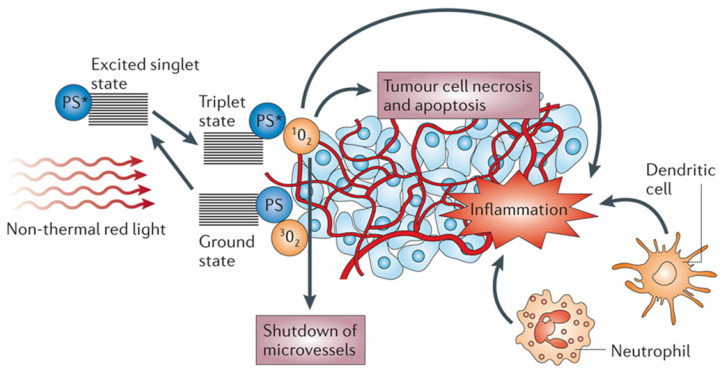
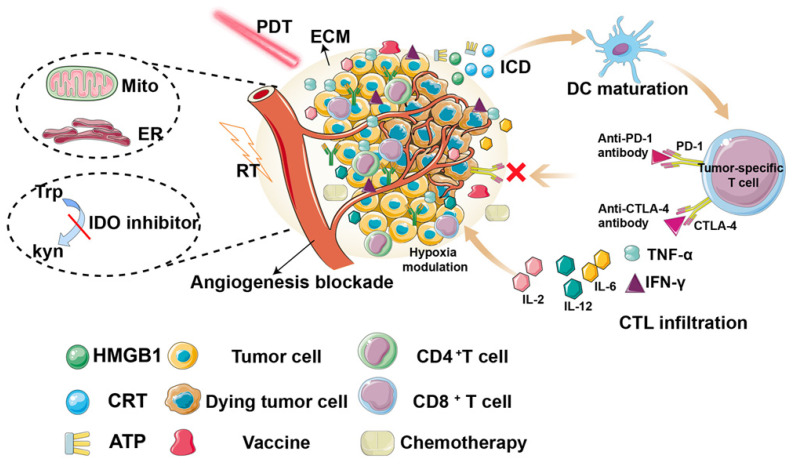
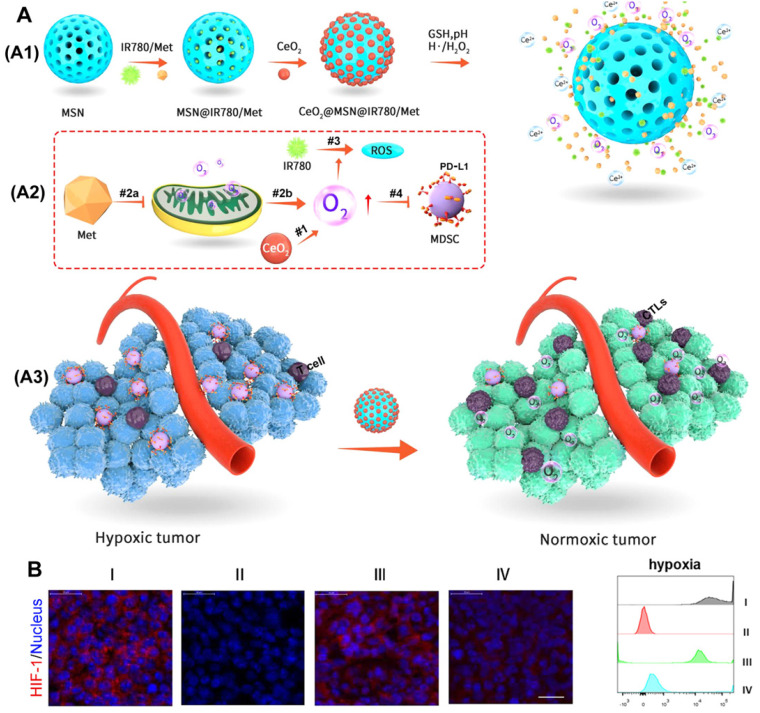
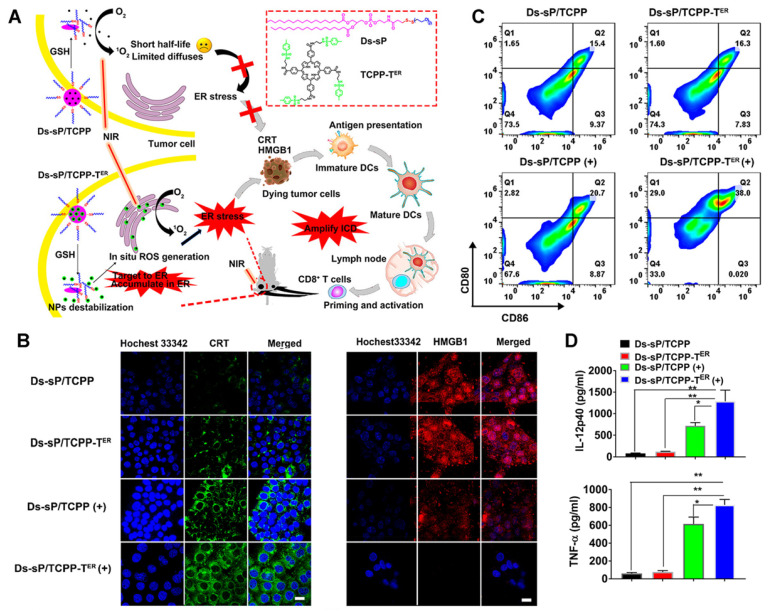
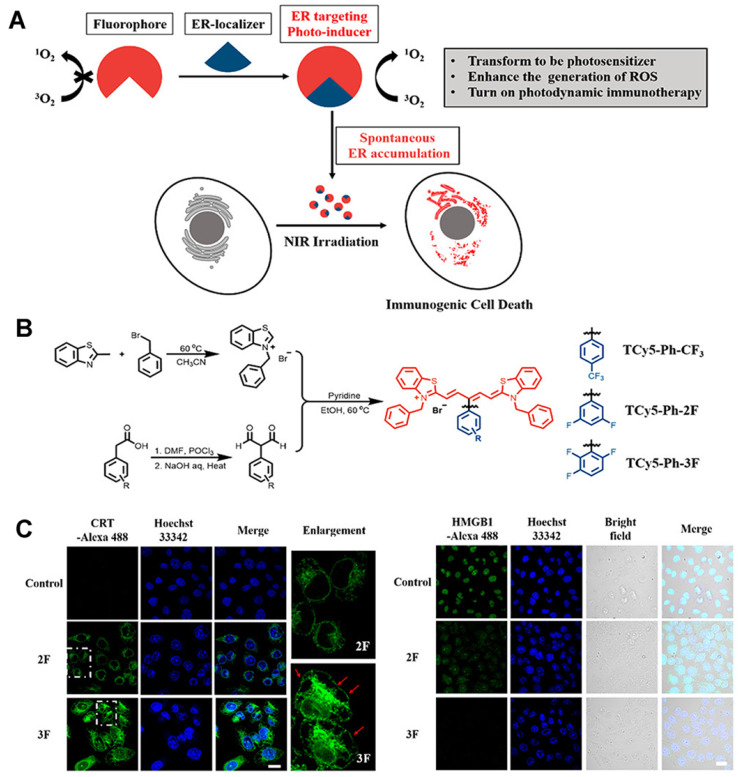
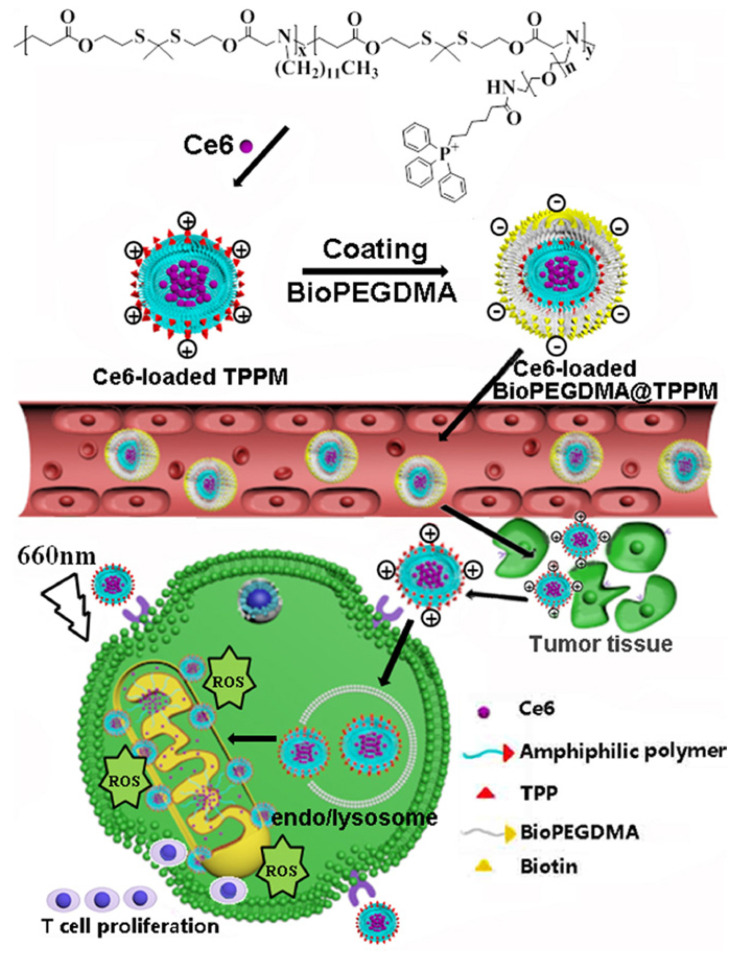
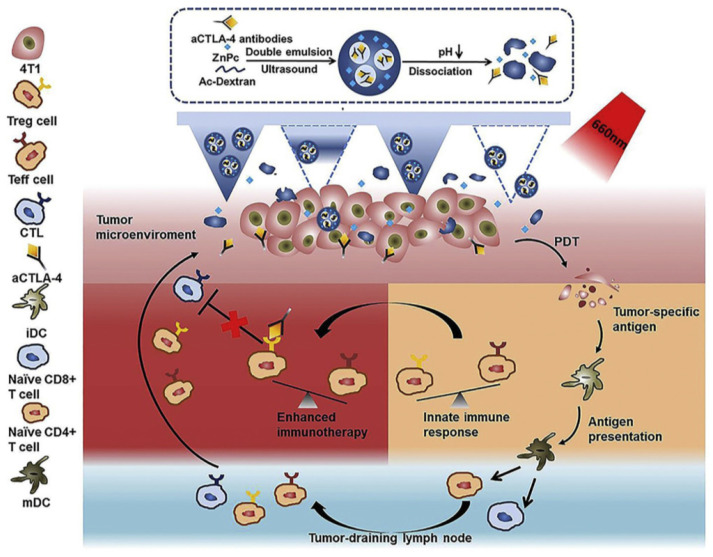
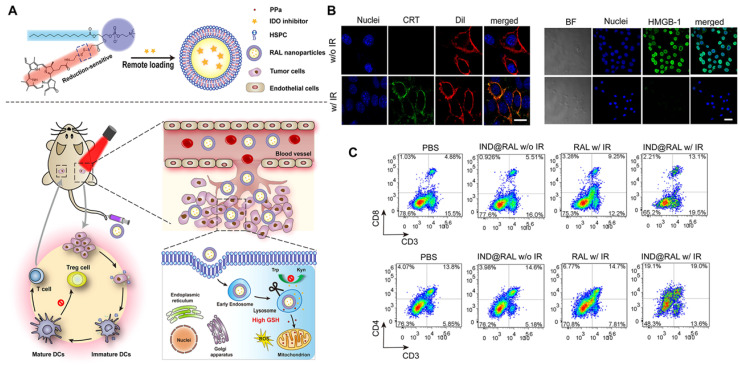
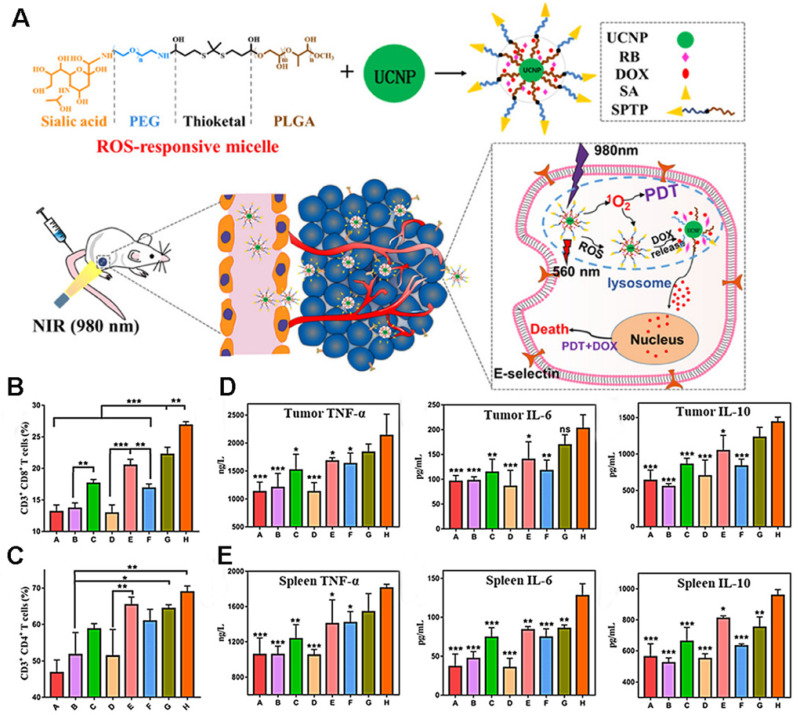
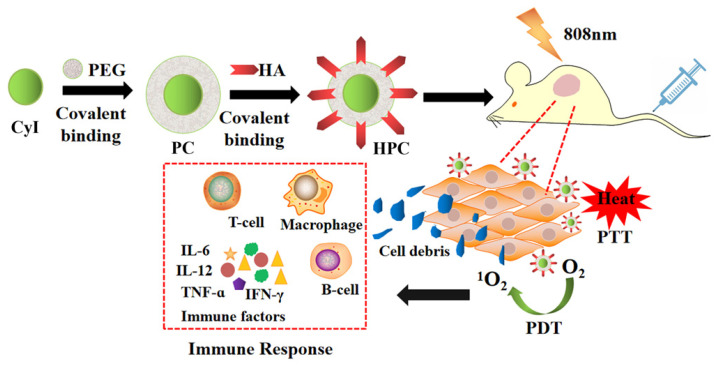
Photodynamic therapy (PDT) is a promising method of tumor ablation and function-preserving oncological intervention, which is minimally invasive, repeatable, and has excellent function and cosmetic effect, with no cumulative toxicity. More importantly, PDT can induce immunogenic cell death and local inflammation, thus stimulating the body's immune response. However, the weak immunity induced by PDT alone is insufficient to trigger a systemic immune response towards cancer cells. To overcome this obstacle, multiple strategies have been investigated, including tumor microenvironment remodeling, tumor vaccines, subcellular-targeted PDT, and synergistic therapies. This review summarizes the latest progress in the development of strategies to improve the PDT-induced immune effect for enhanced cancer treatment.
光动力疗法(PDT)是一种有前途的肿瘤消融和保留功能的肿瘤学干预方法,具有微创、可重复、功能和美容效果好、无累积毒性等优点。更重要的是,PDT 可以诱导免疫原性细胞死亡和局部炎症,从而刺激机体的免疫反应。然而,单独 PDT 诱导的免疫反应较弱,不足以引发针对癌细胞的全身免疫反应。为了克服这一障碍,已经研究了多种策略,包括肿瘤微环境重塑、肿瘤疫苗、亚细胞靶向 PDT 和协同治疗。本文综述了提高 PDT 诱导免疫效应以增强癌症治疗的策略的最新进展。