Yan Ge, Liu Yuqi, Xie Minghui, Shi Jiawei, Qiao Weihua, Dong Nianguo
Department of Cardiovascular Surgery, Union Hospital, Tongji Medical College, Huazhong University of Science and Technology, Wuhan, Hubei Province, China.
Biomater Transl. 2021 Dec 28;2(4):361-375. doi: 10.12336/biomatertransl.2021.04.009. eCollection 2021.
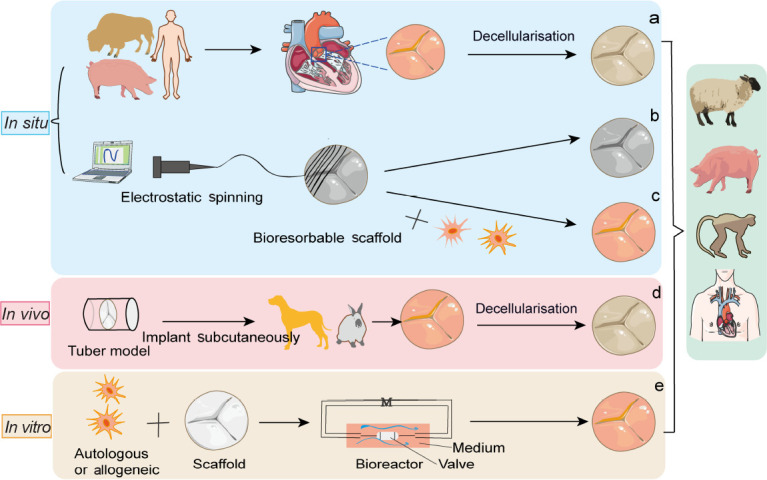
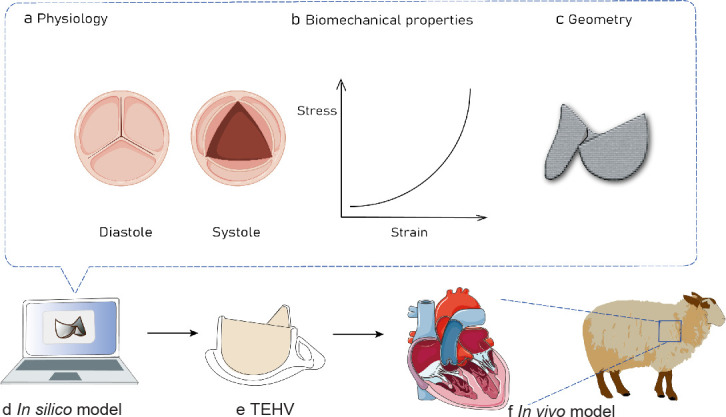
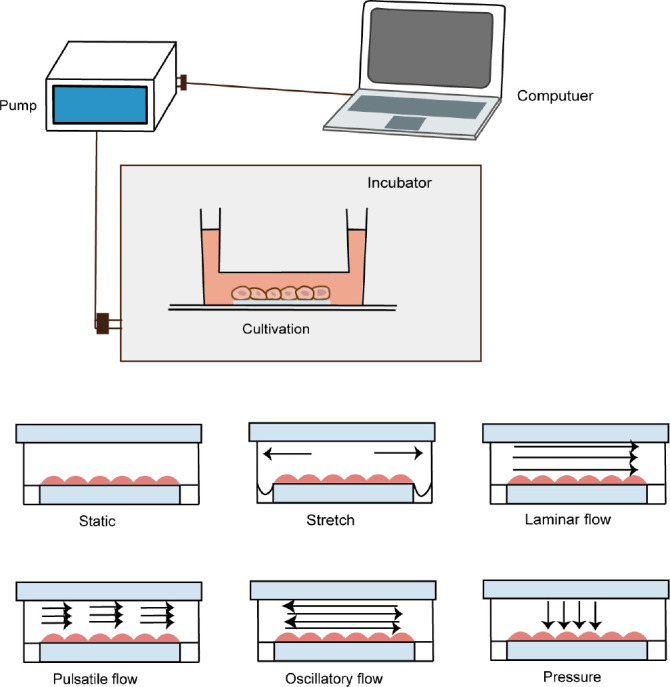
Valvular heart disease is currently a common problem which causes high morbidity and mortality worldwide. Prosthetic valve replacements are widely needed to correct narrowing or backflow through the valvular orifice. Compared to mechanical valves and biological valves, tissue-engineered heart valves can be an ideal substitute because they have a low risk of thromboembolism and calcification, and the potential for remodelling, regeneration, and growth. In order to test the performance of these heart valves, various animal models and other models are needed to optimise the structure and function of tissue-engineered heart valves, which may provide a potential mechanism responsible for substantial enhancement in tissue-engineered heart valves. Choosing the appropriate model for evaluating the performance of the tissue-engineered valve is important, as different models have their own advantages and disadvantages. In this review, we summarise the current state-of-the-art animal models, bioreactors, and computational simulation models with the aim of creating more strategies for better development of tissue-engineered heart valves. This review provides an overview of major factors that influence the selection and design of a model for tissue-engineered heart valve. Continued efforts in improving and testing models for valve regeneration remain crucial in basic science and translational researches. Future research should focus on finding the right animal model and developing better in vitro testing systems for tissue-engineered heart valve.
心脏瓣膜病是目前一个常见问题,在全球范围内导致高发病率和高死亡率。广泛需要进行人工瓣膜置换以纠正瓣膜口狭窄或反流。与机械瓣膜和生物瓣膜相比,组织工程心脏瓣膜可能是一种理想的替代品,因为它们具有较低的血栓栓塞和钙化风险,以及重塑、再生和生长的潜力。为了测试这些心脏瓣膜的性能,需要各种动物模型和其他模型来优化组织工程心脏瓣膜的结构和功能,这可能为组织工程心脏瓣膜的实质性增强提供潜在机制。选择合适的模型来评估组织工程瓣膜的性能很重要,因为不同的模型有其自身的优缺点。在本综述中,我们总结了当前最先进的动物模型、生物反应器和计算模拟模型,目的是为组织工程心脏瓣膜的更好发展创造更多策略。本综述概述了影响组织工程心脏瓣膜模型选择和设计的主要因素。在基础科学和转化研究中,持续努力改进和测试瓣膜再生模型仍然至关重要。未来的研究应专注于找到合适的动物模型,并为组织工程心脏瓣膜开发更好的体外测试系统。