Instituto de Investigaciones Biomédicas "Alberto Sols" UAM-CSIC, Instituto de Investigación Sanitaria La Paz (IdiPaz) and Department of Biochemistry, Faculty of Medicine, Autonomous University of Madrid, Madrid, Spain; Centro de Investigación Biomédica en Red Sobre Enfermedades Neurodegenerativas (CIBERNED), ISCIII, Madrid, Spain.
Institute of Research, Development and Innovation in Biotechnology of Elche (IDiBE) and Molecular and Cell Biology Institute (IBMC), Miguel Hernández University (UMH), 03202, Elche, Alicante, Spain.
Redox Biol. 2022 Sep;55:102396. doi: 10.1016/j.redox.2022.102396. Epub 2022 Jul 11.
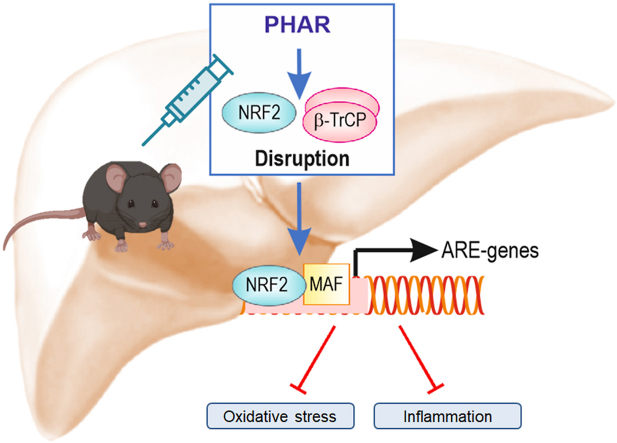
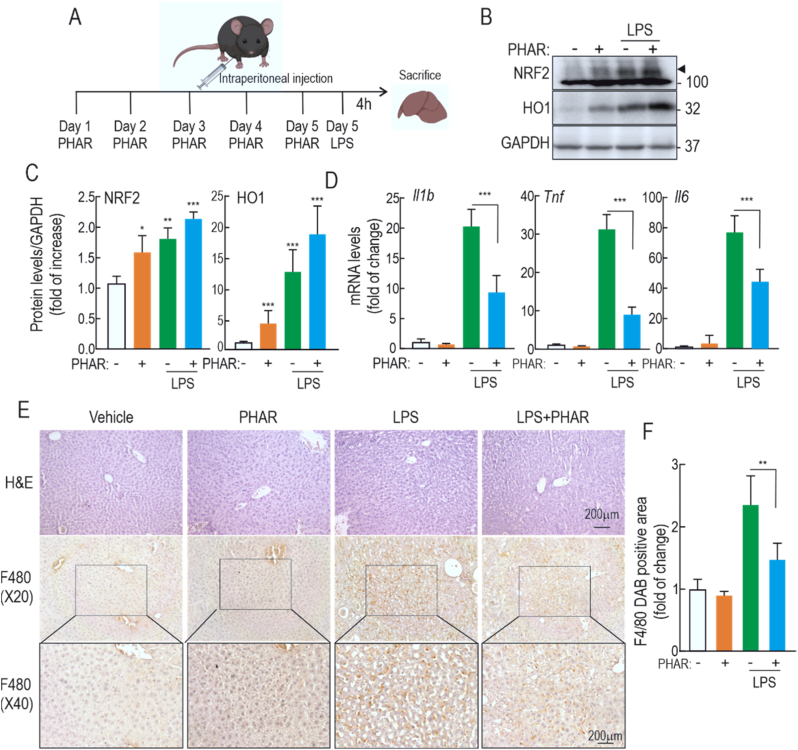
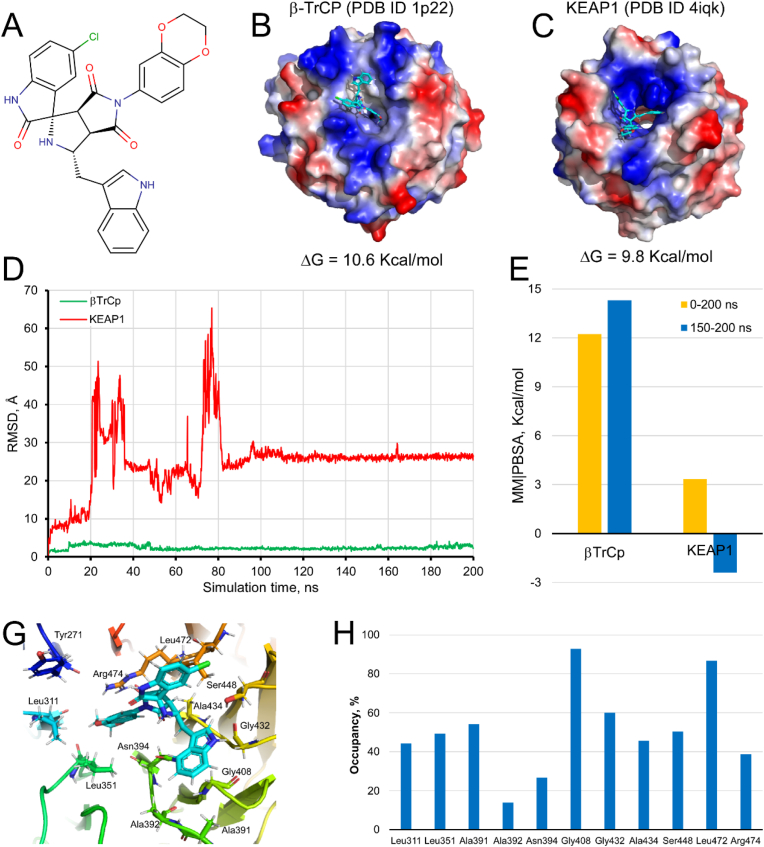
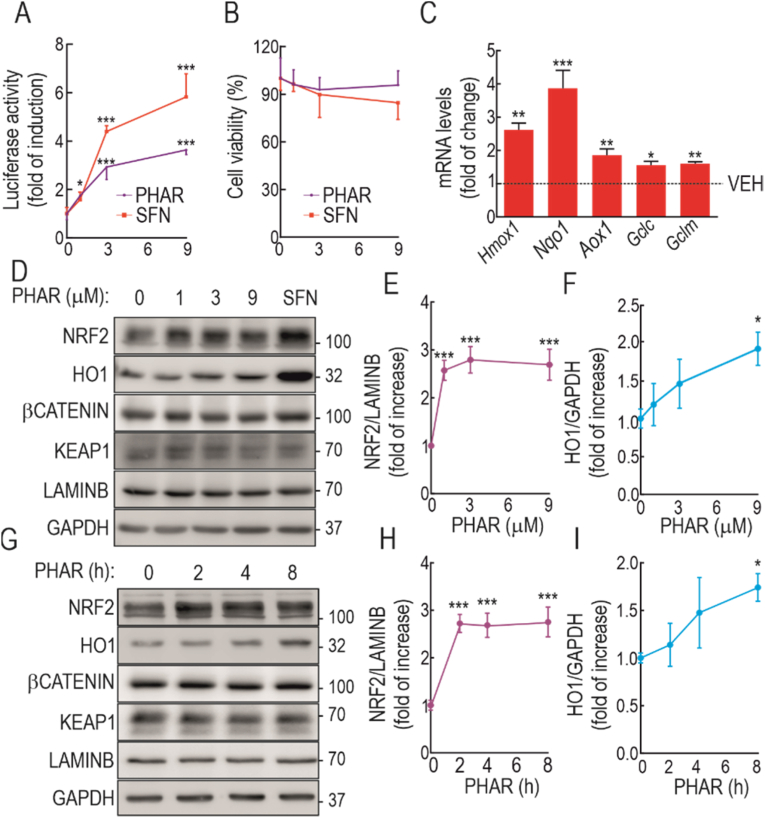
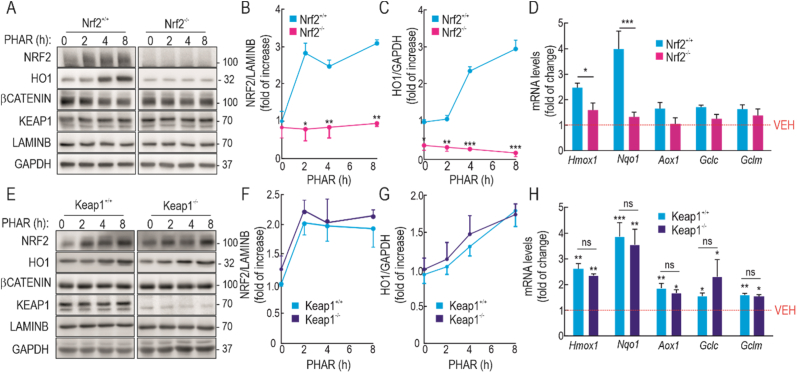
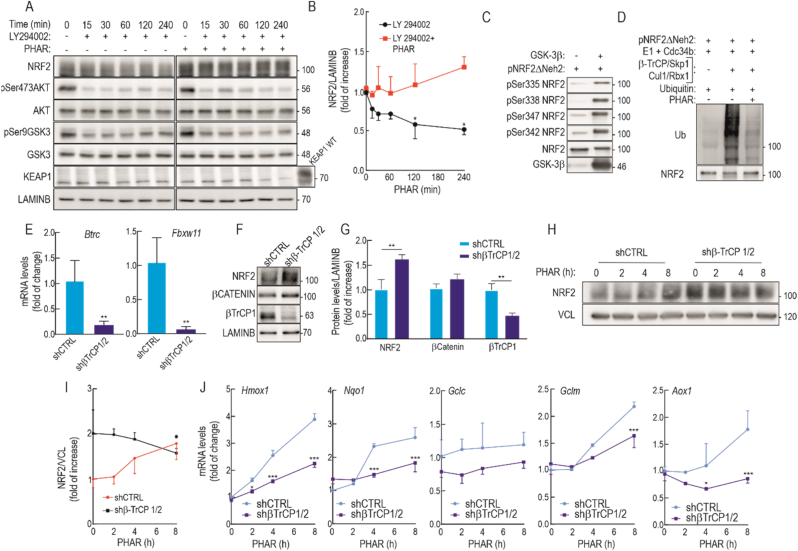
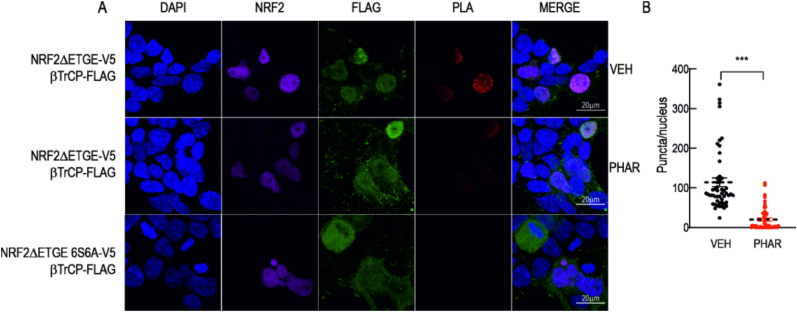
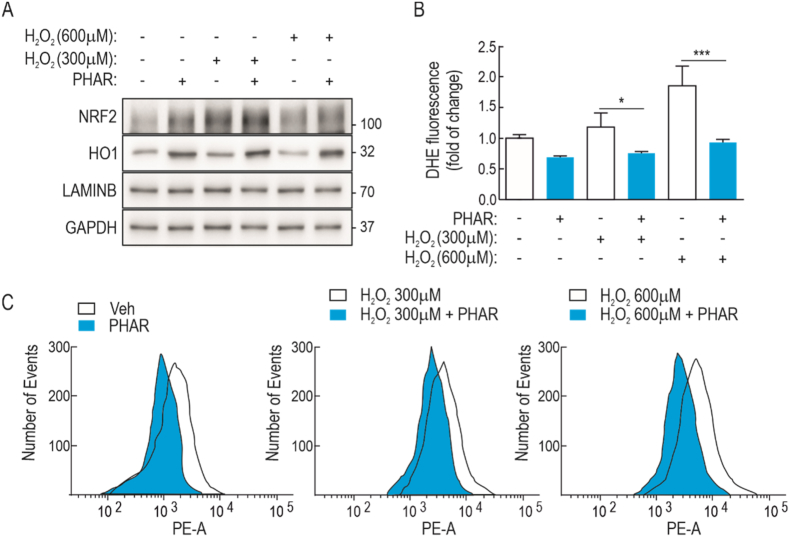
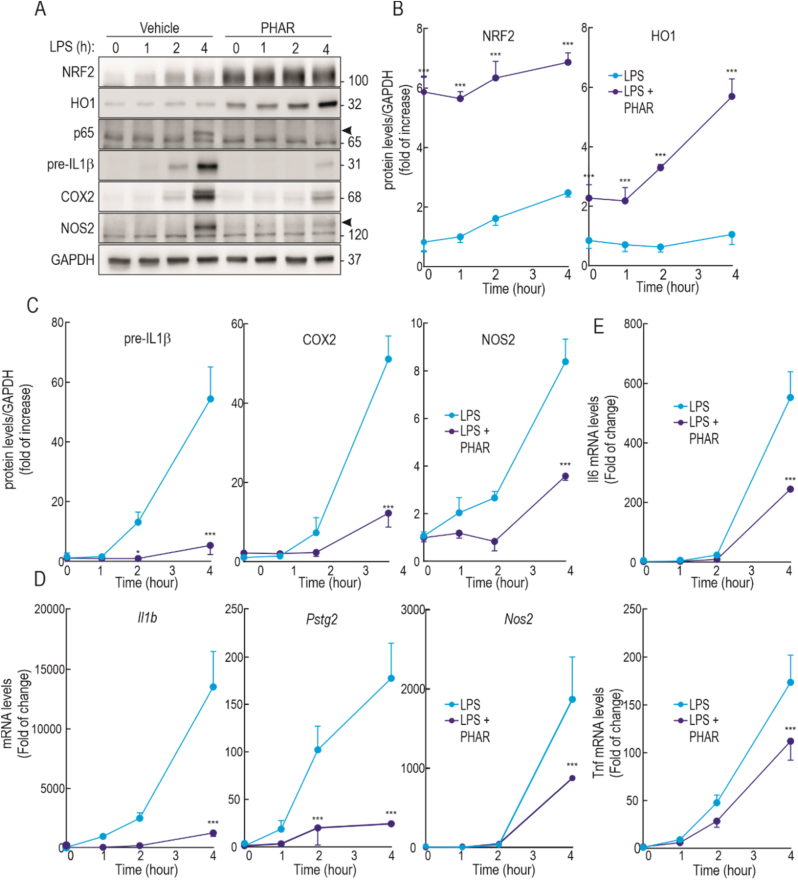
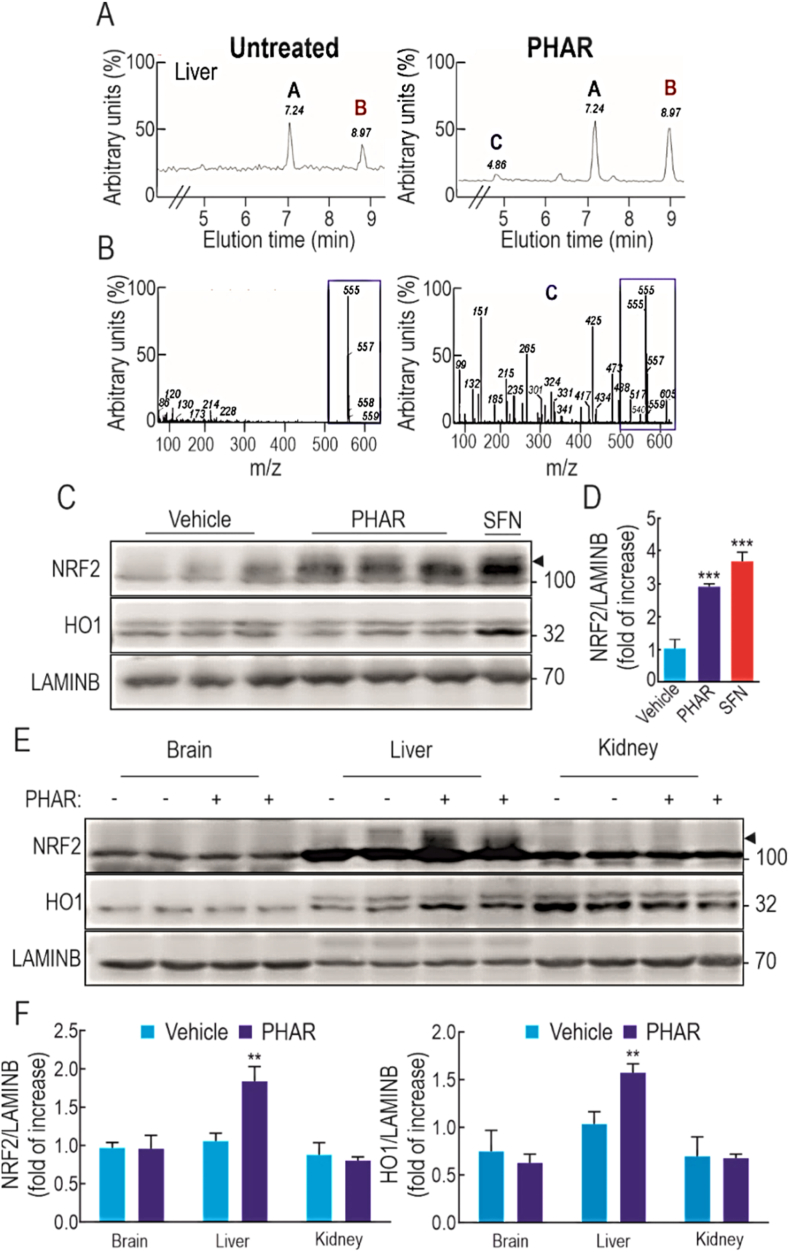
It is widely accepted that activating the transcription factor NRF2 will blast the physiological anti-inflammatory mechanisms, which will help combat pathologic inflammation. Much effort is being put in inhibiting the main NRF2 repressor, KEAP1, with either electrophilic small molecules or disrupters of the KEAP1/NRF2 interaction. However, targeting β-TrCP, the non-canonical repressor of NRF2, has not been considered yet. After in silico screening of ∼1 million compounds, we now describe a novel small molecule, PHAR, that selectively inhibits the interaction between β-TrCP and the phosphodegron in transcription factor NRF2. PHAR upregulates NRF2-target genes such as Hmox1, Nqo1, Gclc, Gclm and Aox1, in a KEAP1-independent, but β-TrCP dependent manner, breaks the β-TrCP/NRF2 interaction in the cell nucleus, and inhibits the β-TrCP-mediated in vitro ubiquitination of NRF2. PHAR attenuates hydrogen peroxide induced oxidative stress and, in lipopolysaccharide-treated macrophages, it downregulates the expression of inflammatory genes Il1b, Il6, Cox2, Nos2. In mice, PHAR selectively targets the liver and greatly attenuates LPS-induced liver inflammation as indicated by a reduction in the gene expression of the inflammatory cytokines Il1b, TNf, and Il6, and in F4/80-stained liver resident macrophages. Thus, PHAR offers a still unexplored alternative to current NRF2 activators by acting as a β-TrCP/NRF2 interaction inhibitor that may have a therapeutic value against undesirable inflammation.
普遍认为,激活转录因子 NRF2 将激活生理性抗炎机制,有助于对抗病理性炎症。目前,人们正在努力抑制主要的 NRF2 抑制因子 KEAP1,方法是使用亲电小分子或破坏 KEAP1/NRF2 相互作用的干扰物。然而,靶向 NRF2 的非典型抑制因子β-TrCP 尚未被考虑。在对约 100 万个化合物进行计算机筛选后,我们现在描述了一种新型小分子 PHAR,它选择性地抑制β-TrCP 与转录因子 NRF2 的磷酸化降解结构域之间的相互作用。PHAR 以 KEAP1 非依赖性但β-TrCP 依赖性的方式上调 NRF2 靶基因,如 Hmox1、Nqo1、Gclc、Gclm 和 Aox1,破坏细胞核内的β-TrCP/NRF2 相互作用,并抑制β-TrCP 介导的 NRF2 体外泛素化。PHAR 减轻过氧化氢诱导的氧化应激,在脂多糖处理的巨噬细胞中,它下调炎症基因 Il1b、Il6、Cox2 和 Nos2 的表达。在小鼠中,PHAR 选择性靶向肝脏,并大大减轻 LPS 诱导的肝脏炎症,表现为炎症细胞因子 Il1b、TNf 和 Il6 的基因表达减少,以及 F4/80 染色的肝脏驻留巨噬细胞减少。因此,PHAR 作为一种β-TrCP/NRF2 相互作用抑制剂,为当前的 NRF2 激活剂提供了一种尚未探索的替代方法,可能具有治疗不当炎症的价值。