School of Forestry and Landscape Architecture, Anhui Agricultural University, Changjiang West Road 130, Shushan District, Hefei, 230036, China.
Hefei Urban Ecosystem Research Station, National Forestry and Grassland Administration, Changjiang West Road 130, Shushan District, Hefei, 230036, China.
BMC Plant Biol. 2022 Jul 16;22(1):347. doi: 10.1186/s12870-022-03740-4.
Paved urban environments can pose great threats to the physiological functioning and ecological services of street trees. In this context, assessment of leaf phenotypic plasticity is crucial for understanding the ecological strategy of tree species under impervious pavements.
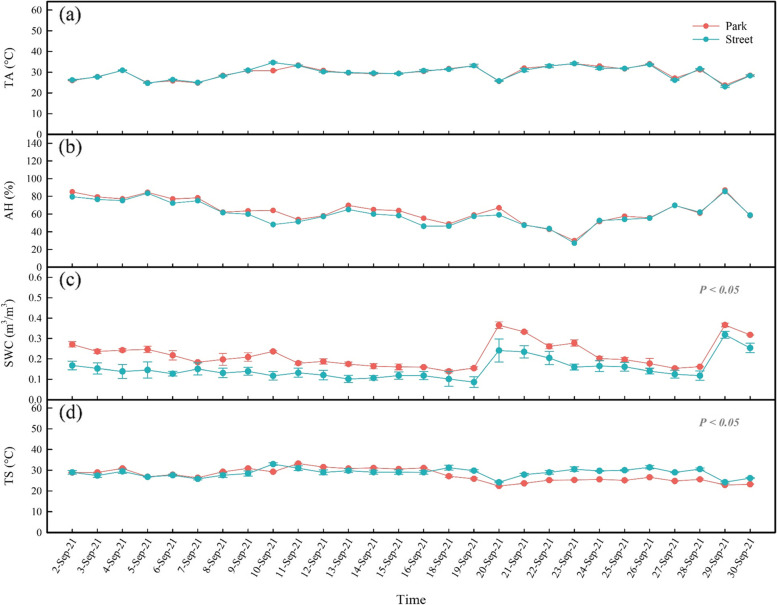
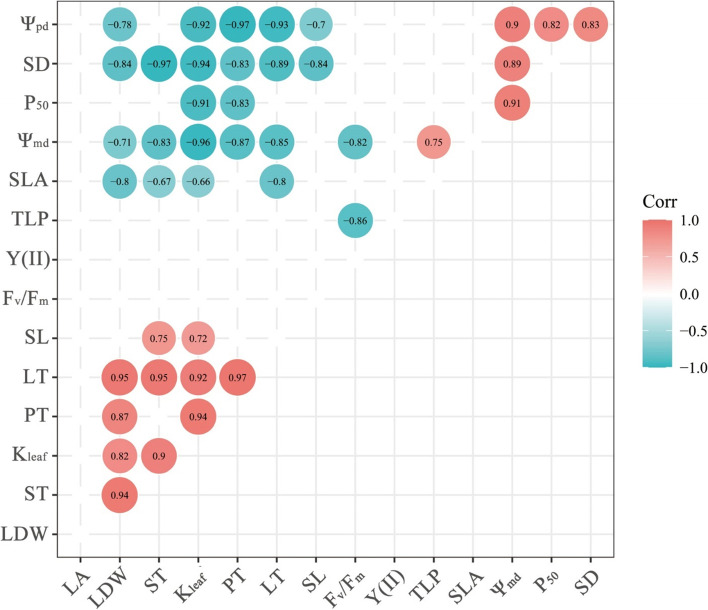
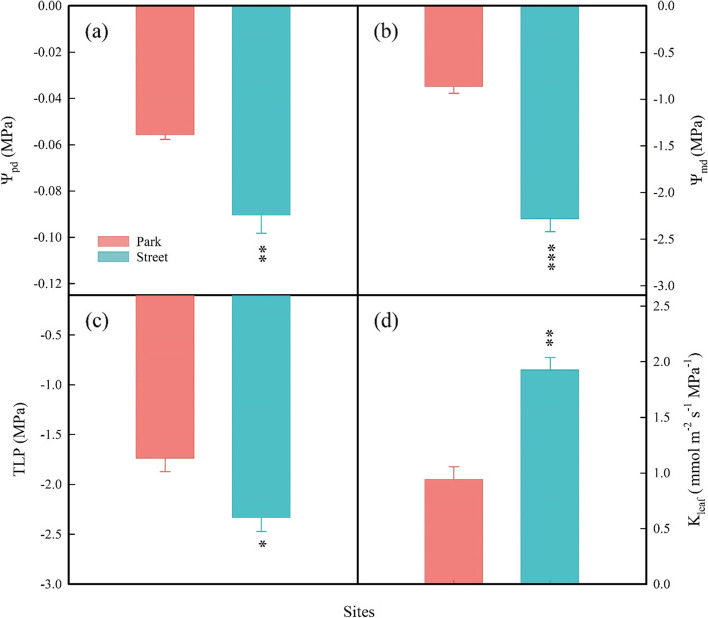
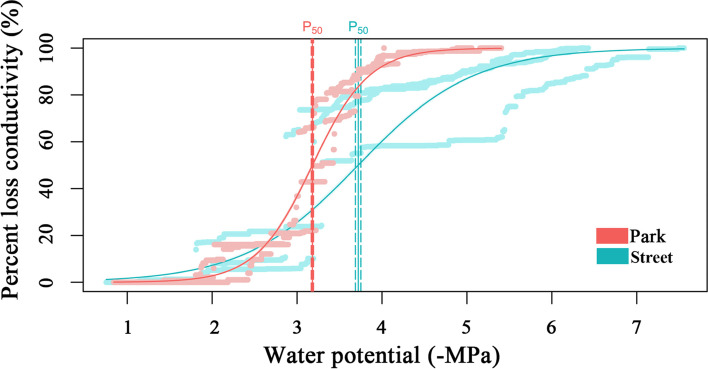
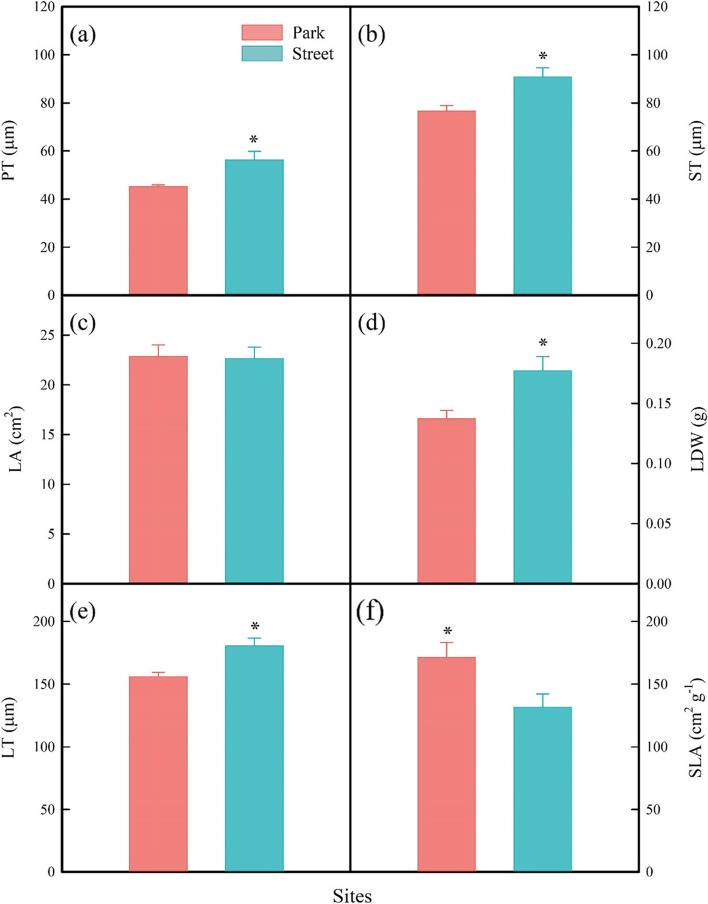
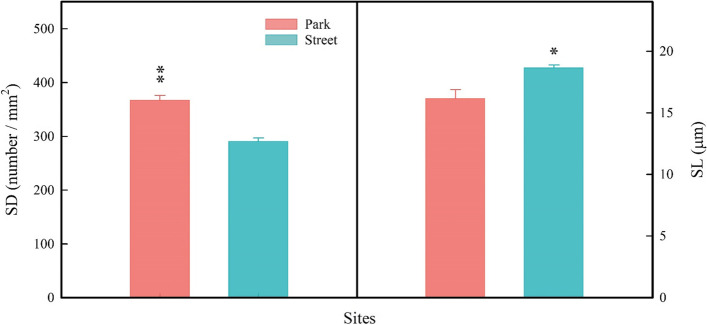
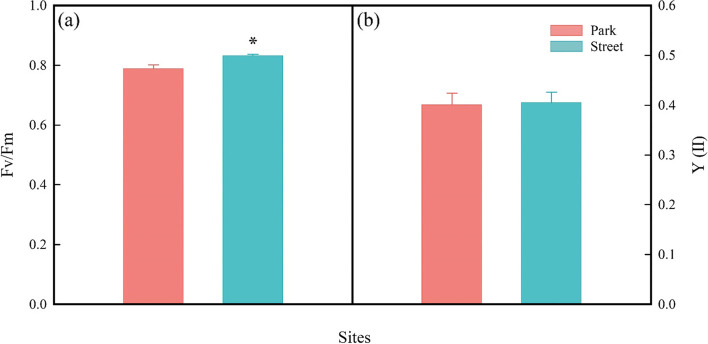
In this study, we measured a set of leaf economic traits, hydraulic traits of Cinnamomum camphora, and surrounding environmental factors in a street site (the soil was covered by the impervious pavement) and a park site (the soil was covered by grass) in Hefei, eastern China. Compared with the park site, trees in the street site had higher stomatal length (SL), leaf thickness (LT), maximum photochemical quantum yield of photosystem II (Y(II)), and lower stomatal density (SD), specific leaf area (SLA), the leaf water potential at 50% loss of hydraulic conductance (P), and leaf turgor loss point (TLP). Redundancy analysis showed that air relative humidity and volumetric soil water content caused these traits to be altered.
Our results showed that C. camphora adapted to the street pavement environment through the coordination of leaf economic and leaf hydraulic traits, and adopted the slow investment return type in the leaf economic spectrum and high drought resistance to meet its actual physiological needs. This finding provides a new perspective for understanding the physiological strategies of street trees to adapt to urban pavement environments.
铺砌的城市环境可能对街道树木的生理功能和生态服务构成巨大威胁。在这种情况下,评估叶片表型可塑性对于理解不透水铺装下树种的生态策略至关重要。
本研究在中国东部合肥市的街道(土壤被不透水铺装覆盖)和公园(土壤被草覆盖)站点测量了一组樟树叶经济特性、水力特性和周围环境因素。与公园站点相比,街道站点的树木具有更高的气孔长度(SL)、叶片厚度(LT)、最大光化学量子产量的光系统 II(Y(II)),以及更低的气孔密度(SD)、比叶面积(SLA)、叶片水力导率损失 50%时的叶片水势(P)和叶片膨压损失点(TLP)。冗余分析表明,空气相对湿度和体积土壤含水量导致了这些特性的改变。
我们的结果表明,樟树种通过叶片经济和叶片水力特性的协调来适应街道铺装环境,并在叶片经济谱中采用慢投资回报型和高抗旱性来满足其实际生理需求。这一发现为理解街道树木适应城市铺装环境的生理策略提供了新的视角。