Cheema Ahmad, Siddiqui Fakeha, Kamran Amir
Hematology-Oncology, West Virginia University, Morgantown, USA.
Internal Medicine, Camden Clark Medical Center, Parkersburg, USA.
Cureus. 2022 Jun 12;14(6):e25879. doi: 10.7759/cureus.25879. eCollection 2022 Jun.
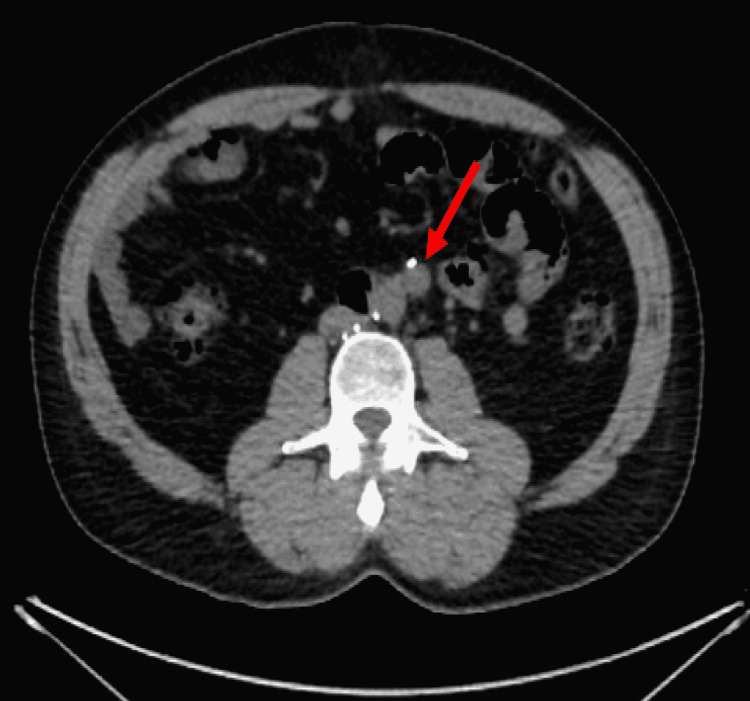
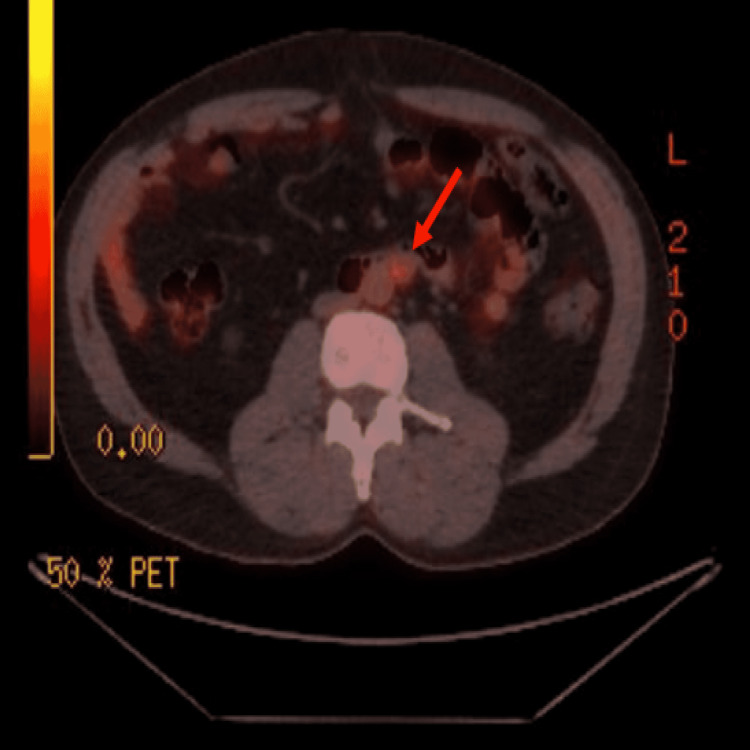
A malignant germ cell tumor (GCT) might contain or transform into malignant non-germ cell histology, commonly referred to as somatic-type malignancy (SM). It is a rare phenomenon with poorly understood pathogenesis. SMs are mostly associated with teratomas and are mainly observed in late relapsing cases. There are no consensus guidelines on the management of SMs; however, surgery is considered to be the mainstay of treatment. Prognosis is variable depending on the time of diagnosis, site of relapse, and type of histology. Here, we present a case of a 44-year-old male with a history of mixed GCT stage IIA, initially managed with right radical orchiectomy, who developed a relapse of GCT 10 years later with an SM of adenocarcinoma subtype.
恶性生殖细胞肿瘤(GCT)可能包含或转变为恶性非生殖细胞组织学类型,通常称为体细胞型恶性肿瘤(SM)。这是一种罕见现象,其发病机制尚不清楚。SM大多与畸胎瘤相关,主要见于晚期复发病例。目前对于SM的治疗尚无共识性指南;然而,手术被认为是主要治疗手段。预后因诊断时间、复发部位和组织学类型而异。在此,我们报告一例44岁男性,有IIA期混合性GCT病史,最初行右侧根治性睾丸切除术,10年后GCT复发,伴有腺癌亚型的SM。