Clinical Nutrition Research Centre, Singapore Institute of Food and Biotechnology Innovation, Agency for Science, Technology and Research, Singapore, Singapore.
Department of Biochemistry, Yong Loo Lin School of Medicine, National University of Singapore, Singapore, Singapore.
JMIR Public Health Surveill. 2022 Jul 18;8(7):e33478. doi: 10.2196/33478.
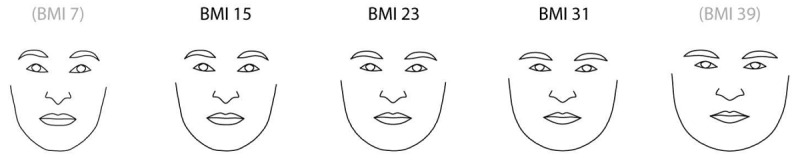
Undiagnosed malnutrition is a significant problem in high-income countries, which can reduce the quality of life of many individuals, particularly of older adults. Moreover, it can also inflate the costs of existing health care systems because of the many metabolic complications that it can cause. The current methods for assessing malnutrition can be cumbersome. A trained practitioner must be present to conduct an assessment, or patients must travel to facilities with specialized equipment to obtain their measurements. Therefore, digital health care is a possible way of closing this gap as it is rapidly gaining traction as a scalable means of improving efficiency in the health care system. It allows for the remote monitoring of nutritional status without requiring the physical presence of practitioners or the use of advanced medical equipment. As such, there is an increasing interest in expanding the range of digital applications to facilitate remote monitoring and management of health issues. In this study, we discuss the feasibility of a novel digital remote method for diagnosing malnutrition using facial morphometrics. Many malnutrition screening assessments include subjective assessments of the head and the face. Facial appearance is often used by clinicians as the first point of qualitative indication of health status. Hence, there may be merit in quantifying these subtle but observable changes using facial morphometrics. Modern advancements in artificial intelligence, data science, sensors, and computing technologies allow facial features to be accurately digitized, which could potentially allow these previously intuitive assessments to be quantified. This study aims to stimulate further discussion and discourse on how this emerging technology can be used to provide real-time access to nutritional status. The use of facial morphometrics extends the use of currently available technology and may provide a scalable, easily deployable solution for nutritional status to be monitored in real time. This will enable clinicians and dietitians to keep track of patients remotely and provide the necessary intervention measures as required, as well as providing health care institutions and policy makers with essential information that can be used to inform and enable targeted public health approaches within affected populations.
未诊断的营养不良是高收入国家的一个重大问题,它会降低许多人的生活质量,尤其是老年人。此外,由于它可能引起许多代谢并发症,还会增加现有医疗保健系统的成本。目前评估营养不良的方法可能很繁琐。必须有经过培训的从业者进行评估,或者患者必须前往拥有专门设备的机构获取他们的测量数据。因此,数字医疗保健是一种可能的方法,可以弥补这一差距,因为它作为一种提高医疗保健系统效率的可扩展手段正在迅速获得关注。它允许在不需要从业者的实际存在或使用先进医疗设备的情况下,远程监测营养状况。因此,人们越来越感兴趣地扩大数字应用范围,以促进远程监测和管理健康问题。在这项研究中,我们讨论了使用面部形态计量学诊断营养不良的新型数字远程方法的可行性。许多营养不良筛查评估包括对头和面部的主观评估。临床医生通常将面部外观用作健康状况的第一点定性指示。因此,使用面部形态计量学来量化这些微妙但可观察到的变化可能是有价值的。人工智能、数据科学、传感器和计算技术的现代进步允许对面部特征进行准确的数字化,这可能使这些以前直观的评估能够被量化。本研究旨在激发进一步的讨论,探讨这项新兴技术如何用于提供对营养状况的实时访问。面部形态计量学的使用扩展了当前可用技术的使用范围,并可能为实时监测营养状况提供一种可扩展、易于部署的解决方案。这将使临床医生和营养师能够远程跟踪患者,并根据需要提供必要的干预措施,同时为医疗机构和政策制定者提供可用于为受影响人群提供信息和启用有针对性的公共卫生方法的重要信息。