Georgetown University School of Medicine, Washington, DC, USA.
Firefighter's Burn and Surgical Research Laboratory, MedStar Health Research Institute, 110 Irving Street, NW, GHRB, Room 310, Washington, DC, 20010, USA.
Sci Rep. 2022 Jul 18;12(1):12222. doi: 10.1038/s41598-022-16376-z.
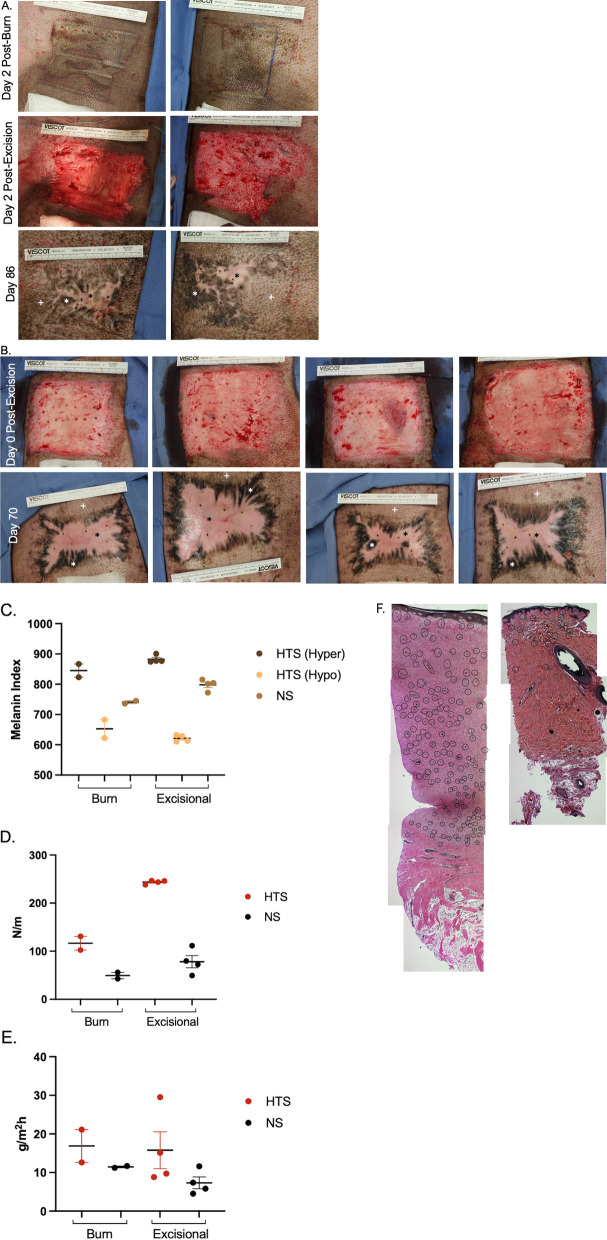
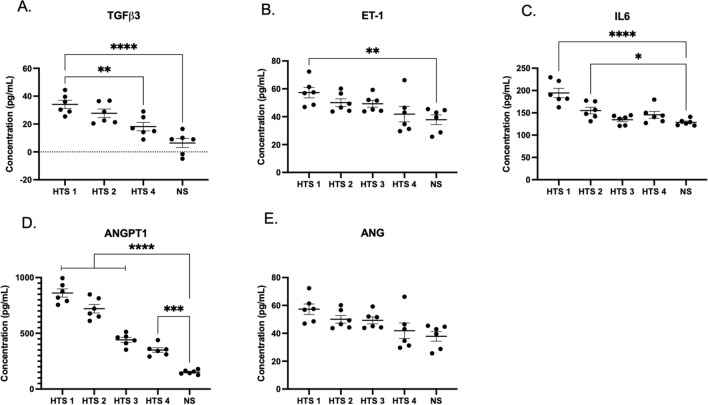
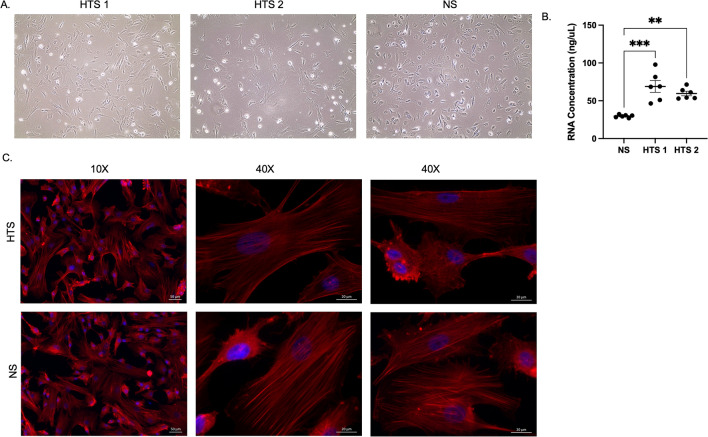
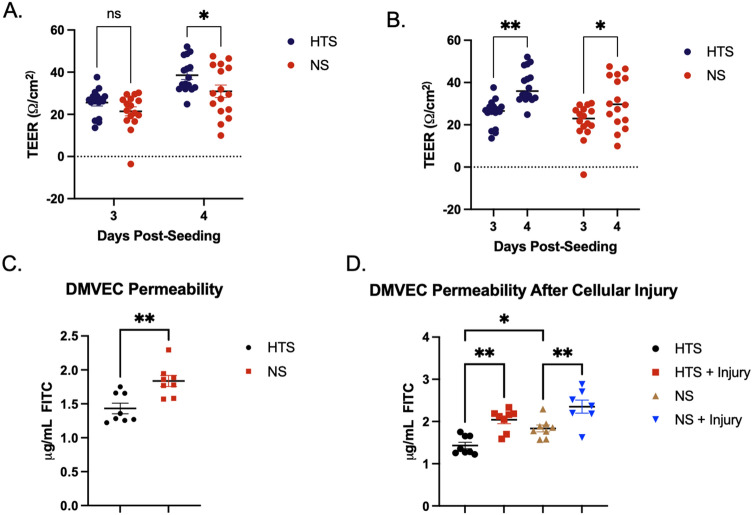
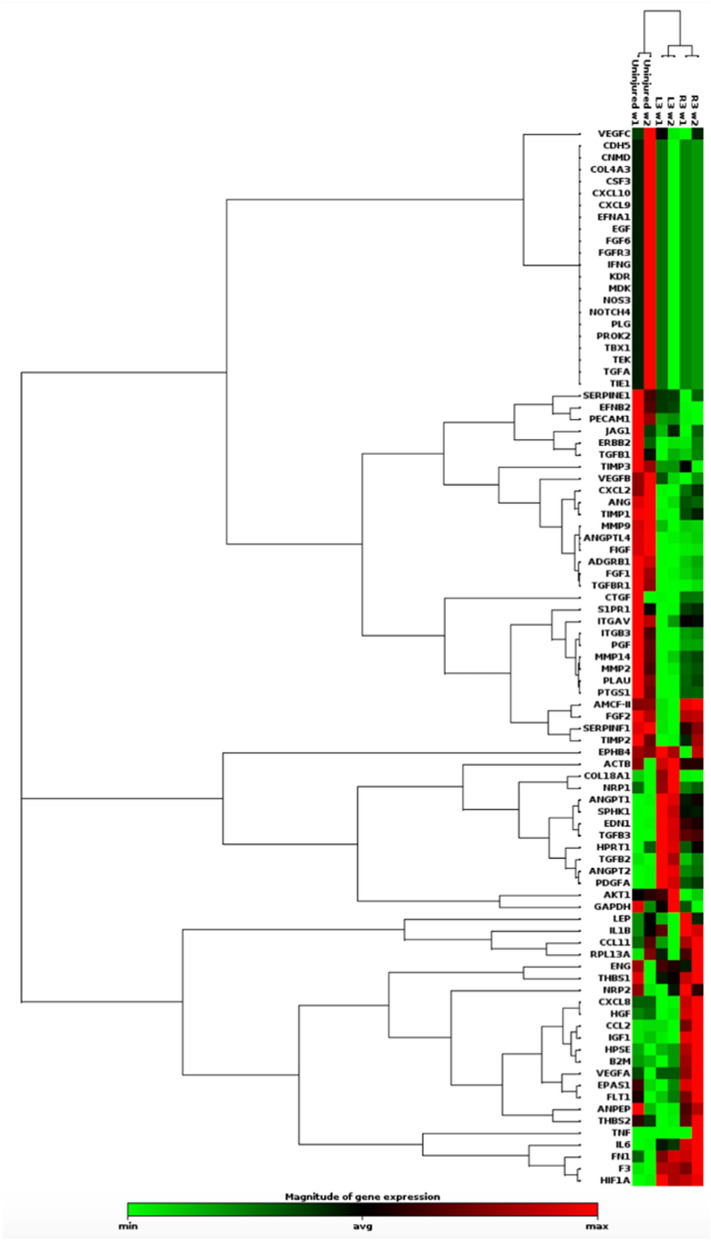
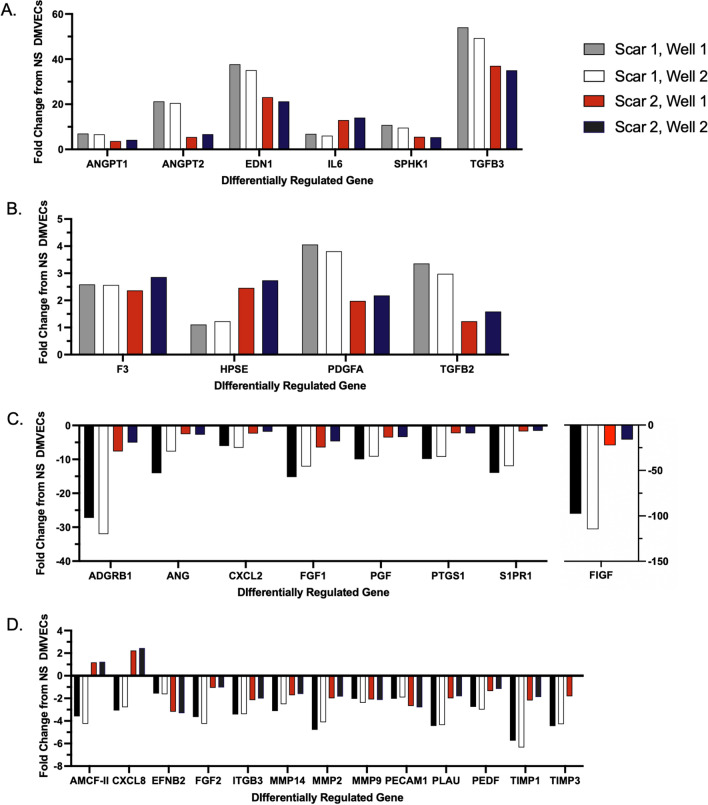
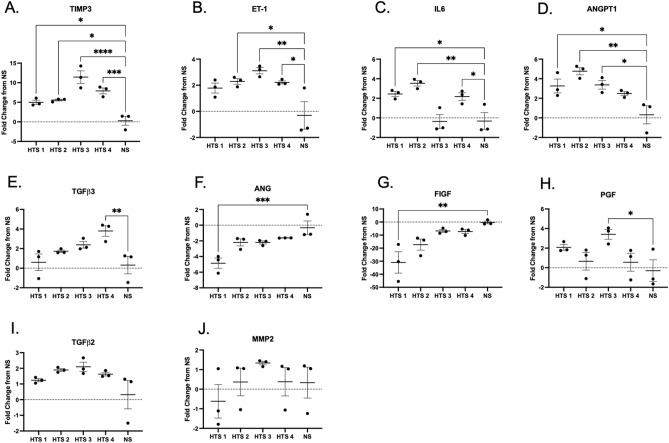
Hypertrophic scar (HTS) formation is a common challenge for patients after burn injury. Dermal microvascular endothelial cells (DMVECs) are an understudied cell type in HTS. An increase in angiogenesis and microvessel density can be observed in HTS. Endothelial dysfunction may play a role in scar development. This study aims to generate a functional and expression profile of HTS DMVECs. We hypothesize that transcript and protein-level responses in HTS DMVECs differ from those in normal skin (NS). HTSs were created in red Duroc pigs. DMVECs were isolated using magnetic-activated cell sorting with ulex europaeus agglutinin 1 (UEA-1) lectin. Separate transwell inserts were used to form monolayers of HTS DMVECs and NS DMVECs. Cell injury was induced and permeability was assessed. Gene expression in HTS DMVECS versus NS DMVECs was measured. Select differentially expressed genes were further investigated. HTS had an increased area density of dermal microvasculature compared to NS. HTS DMVECs were 17.59% less permeable than normal DMVECs (p < 0.05). After injury, NS DMVECs were 28.4% and HTS DMVECs were 18.8% more permeable than uninjured controls (28.4 ± 4.8 vs 18.8 ± 2.8; p = 0.11). PCR array identified 31 differentially expressed genes between HTS and NS DMVECs, of which 10 were upregulated and 21 were downregulated. qRT-PCR and ELISA studies were in accordance with the array. DMVECs expressed a mixed profile of factors that can contribute to and inhibit scar formation. HTS DMVECs have both a discordant response to cellular insults and baseline differences in function, supporting their proposed role in scar pathology. Further investigation of DMVECs is warranted to elucidate their contribution to HTS pathogenesis.
增生性瘢痕(HTS)的形成是烧伤患者常见的挑战。真皮微血管内皮细胞(DMVECs)是 HTS 中研究较少的细胞类型。在 HTS 中可以观察到血管生成和微血管密度的增加。内皮功能障碍可能在瘢痕形成中起作用。本研究旨在生成 HTS DMVECs 的功能和表达谱。我们假设 HTS DMVECs 的转录和蛋白水平反应与正常皮肤(NS)不同。使用针对 Ulex europaeus agglutinin 1(UEA-1)凝集素的磁激活细胞分选从红色杜洛克猪中分离 DMVECs。使用单独的 Transwell 插入物形成 HTS DMVECs 和 NS DMVECs 的单层。诱导细胞损伤并评估通透性。测量 HTS DMVEC 与 NS DMVEC 中的基因表达。进一步研究了选定的差异表达基因。与 NS 相比,HTS 的真皮微血管面积密度增加。HTS DMVECs 的通透性比正常 DMVECs 低 17.59%(p<0.05)。受伤后,NS DMVECs 的通透性比未受伤对照高 28.4%(28.4±4.8),而 HTS DMVECs 的通透性高 18.8%(18.8±2.8;p=0.11)。PCR 阵列在 HTS 和 NS DMVECs 之间鉴定出 31 个差异表达基因,其中 10 个上调,21 个下调。qRT-PCR 和 ELISA 研究与阵列一致。DMVECs 表达了可促进和抑制瘢痕形成的多种因子的混合谱。HTS DMVECs 对细胞损伤的反应不一致,且功能基线存在差异,支持它们在瘢痕病理学中的预期作用。进一步研究 DMVECs 对于阐明其对 HTS 发病机制的贡献是必要的。