Thakur Kamlesh, Kaur Haneet, Dhandapani Manju, Xavier Teenu, Srinivasan Ganesan, Gopichandran Laskmanan, Dhandapani Sivashanmugam
Master neurosciences, National Institute of Nursing Education, PGIMER, Chandigarh.
Department of Nursing, Chitkara School of Health Sciences, Chitkara University Punjab, Rajpura, Punjab, India.
Surg Neurol Int. 2022 Jun 3;13:237. doi: 10.25259/SNI_194_2022. eCollection 2022.
Intracranial hypertension is found in patients with various neurological and neurosurgical conditions such as subarachnoid hemorrhage (more than 50% of the patients have intracranial pressure > 20 mmHg at some point during their hospital stay), traumatic brain injury, and stroke. Various modalities are used to control intracranial hypertension, therapeutic hypothermia is one of them. This systematic review aims to assess the efficacy of therapeutic hypothermia in controlling intracranial hypertension in an adult patient.
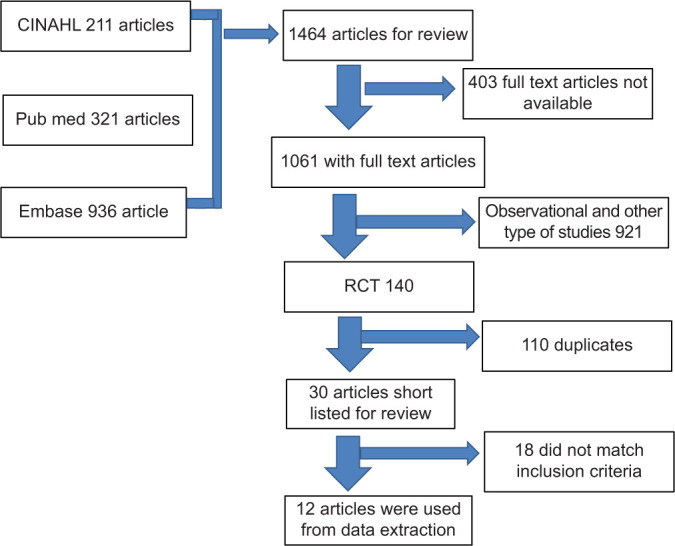
A systematic review of the literature published between one patient 1990 and 2020 was conducted. Four databases were searched including CINAHL, PubMed, the Cochrane Library, and EMBASE using keywords traumatic brain injury, intracranial pressure, randomized and controlled trials, and the effect of therapeutic hypothermia on intracranial hypertension.
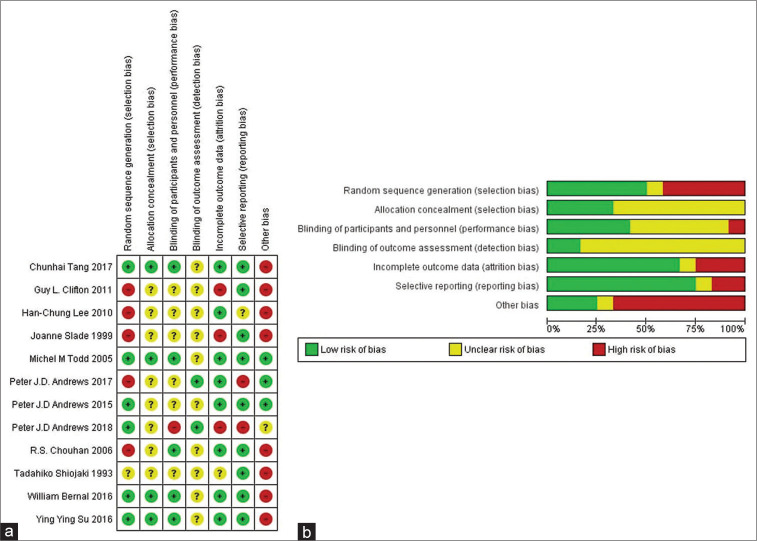
All of the studies included in this review were randomized controlled trials. Most of the studies provided their sample demographics. Sample sizes ranged from 14 to 501. Of the 12 studies, five of them were from the United Kingdom, three of them were from China, two from North America, one from India, and one from Japan.
Treating intracranial hypertension with therapeutic hypothermia may be beneficial according to a few studies but it is also associated with many adverse effects. Both the groups suffered from adverse events which were higher in the hypothermic group. However, these adverse events can be managed in any health-care setting. To treat the patients with therapeutic hypothermia, one (the managing team) should be competent enough to manage the adverse effects.
颅内高压见于各种神经科和神经外科疾病患者,如蛛网膜下腔出血(超过50%的患者在住院期间的某些时候颅内压>20 mmHg)、创伤性脑损伤和中风。多种方法用于控制颅内高压,治疗性低温是其中之一。本系统评价旨在评估治疗性低温对成年患者控制颅内高压的疗效。
对1990年至2020年间发表的文献进行系统评价。使用关键词“创伤性脑损伤”“颅内压”“随机对照试验”以及“治疗性低温对颅内高压的影响”检索了四个数据库,包括CINAHL、PubMed、Cochrane图书馆和EMBASE。
本评价纳入的所有研究均为随机对照试验。大多数研究提供了样本人口统计学信息。样本量从14到501不等。在这12项研究中,5项来自英国,3项来自中国,2项来自北美,1项来自印度,1项来自日本。
根据一些研究,用治疗性低温治疗颅内高压可能有益,但也与许多不良反应相关。两组均出现不良事件,低温组的不良事件更多。然而,这些不良事件在任何医疗环境中都可以得到处理。要用治疗性低温治疗患者,一方(管理团队)应具备足够能力处理不良反应。