Department of Microbiology and Immunology, University of North Carolina at Chapel Hill, Chapel Hill, NC 27599, USA.
Department of Epidemiology, University of North Carolina at Chapel Hill, Chapel Hill, NC 27599, USA.
Sci Transl Med. 2022 Sep 28;14(664):eabo5070. doi: 10.1126/scitranslmed.abo5070.
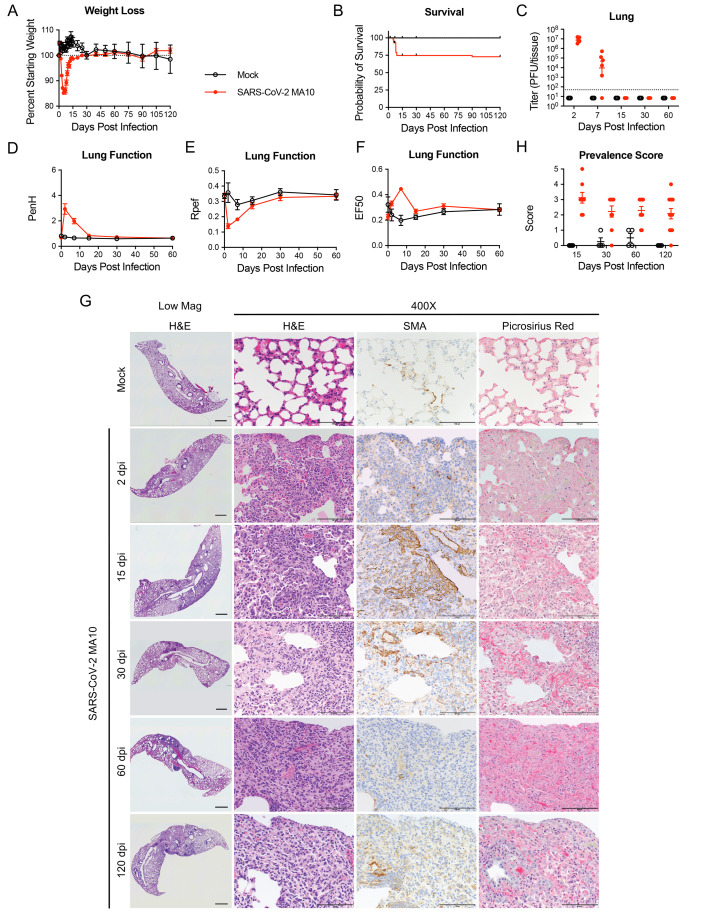
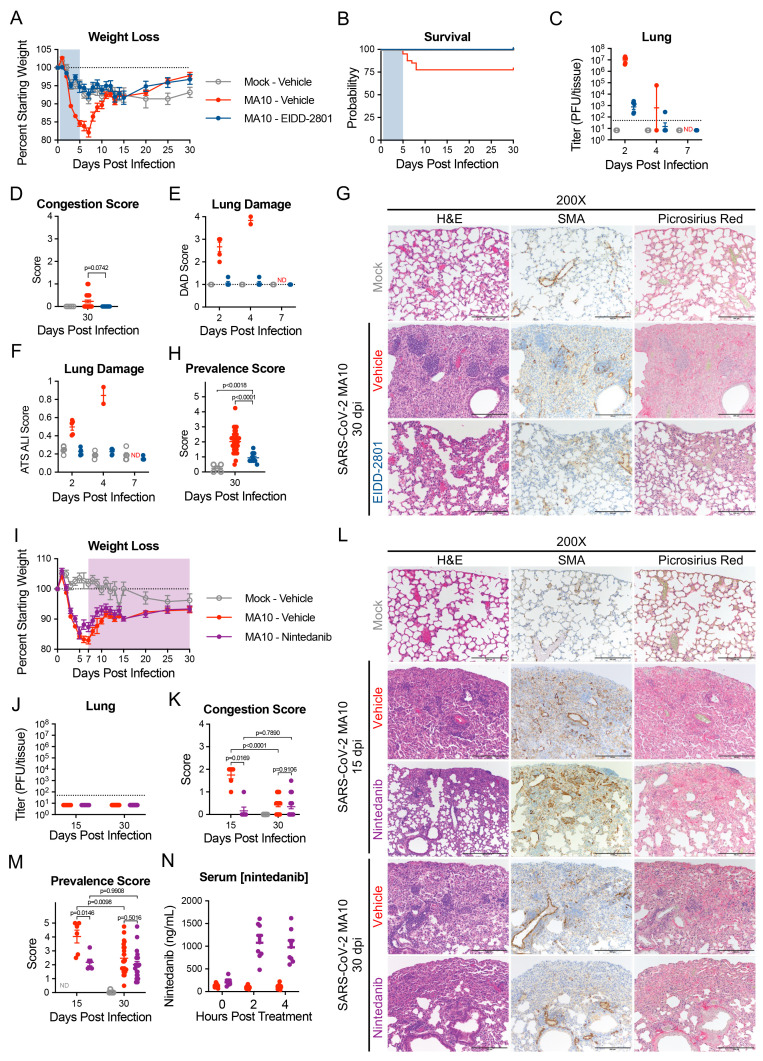
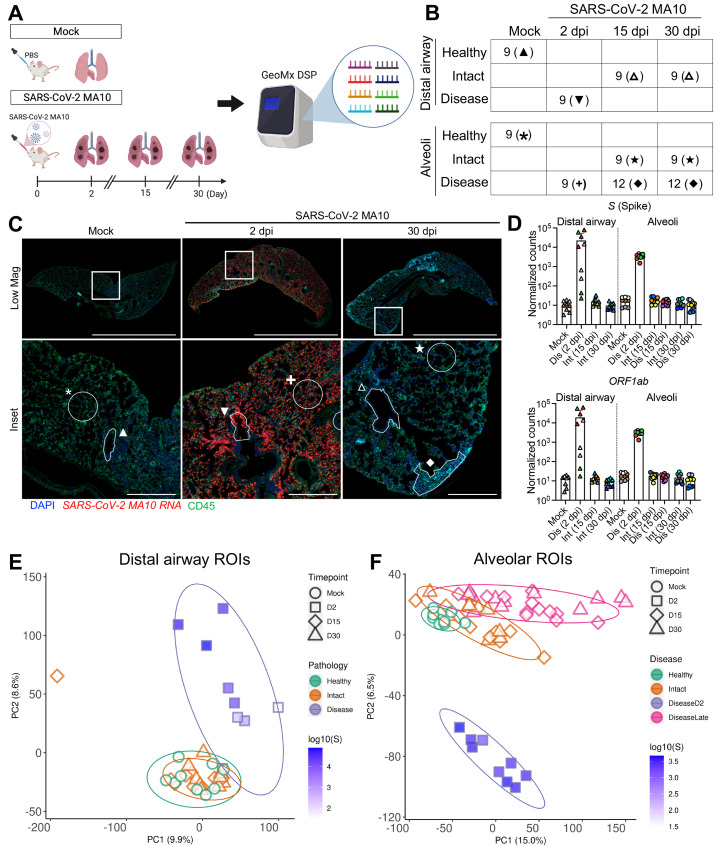
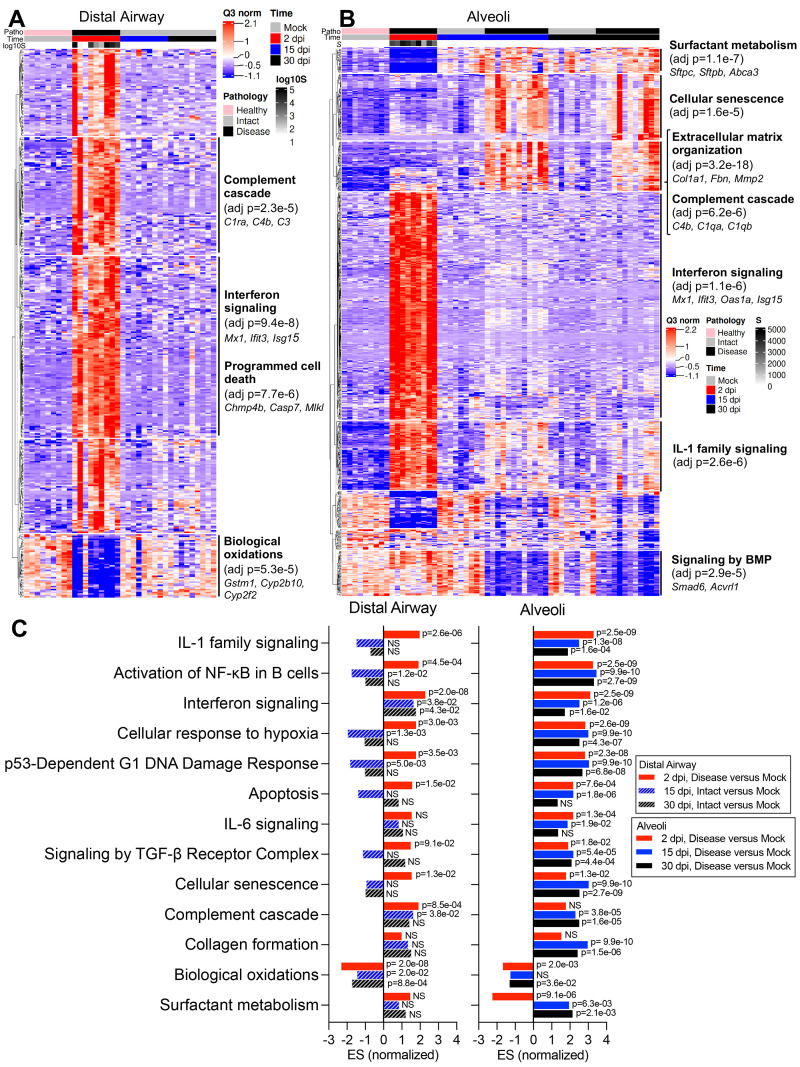
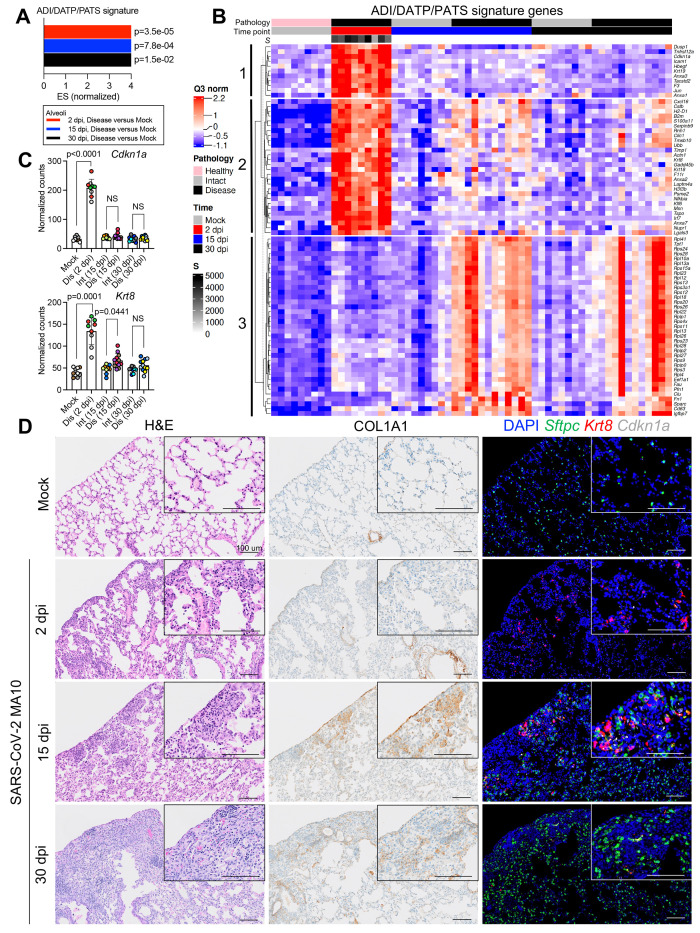
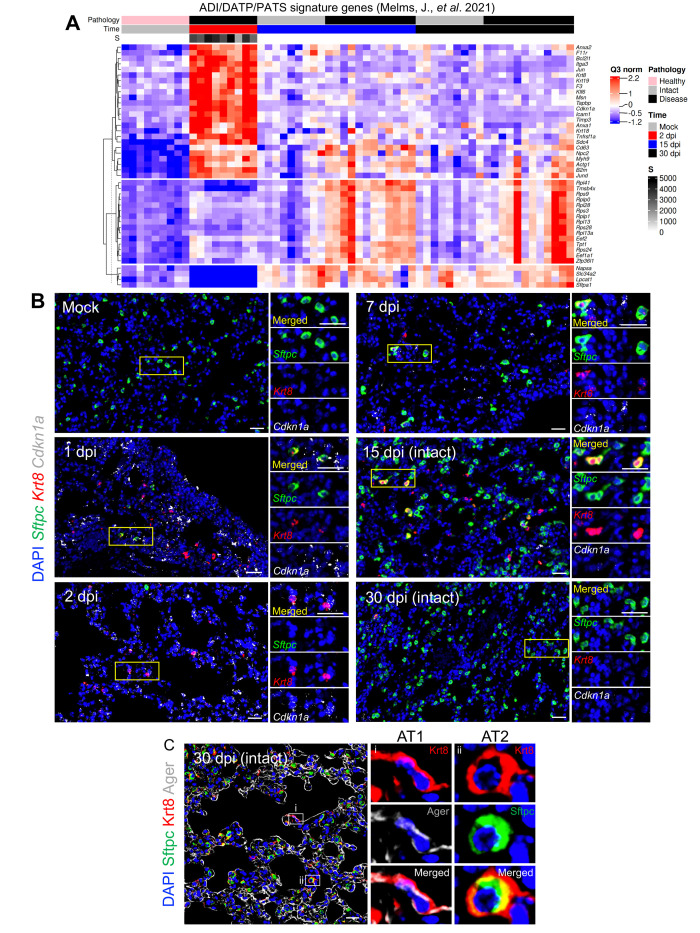
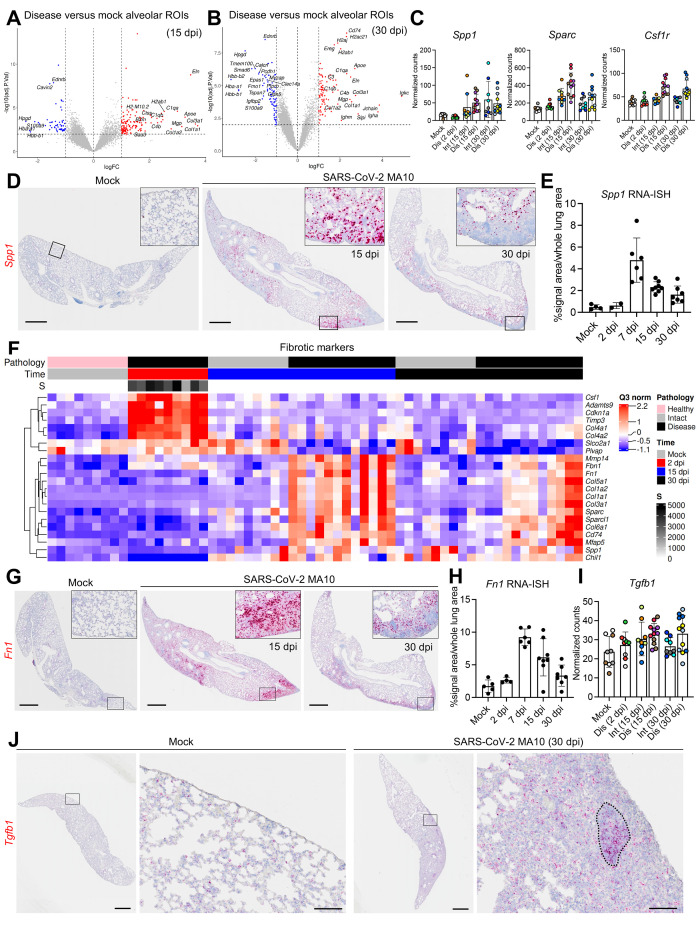
A subset of individuals who recover from coronavirus disease 2019 (COVID-19) develop post-acute sequelae of severe acute respiratory syndrome coronavirus 2 (SARS-CoV-2) (PASC), but the mechanistic basis of PASC-associated lung abnormalities suffers from a lack of longitudinal tissue samples. The mouse-adapted SARS-CoV-2 strain MA10 produces an acute respiratory distress syndrome in mice similar to humans. To investigate PASC pathogenesis, studies of MA10-infected mice were extended from acute to clinical recovery phases. At 15 to 120 days after virus clearance, pulmonary histologic findings included subpleural lesions composed of collagen, proliferative fibroblasts, and chronic inflammation, including tertiary lymphoid structures. Longitudinal spatial transcriptional profiling identified global reparative and fibrotic pathways dysregulated in diseased regions, similar to human COVID-19. Populations of alveolar intermediate cells, coupled with focal up-regulation of profibrotic markers, were identified in persistently diseased regions. Early intervention with antiviral EIDD-2801 reduced chronic disease, and early antifibrotic agent (nintedanib) intervention modified early disease severity. This murine model provides opportunities to identify pathways associated with persistent SARS-CoV-2 pulmonary disease and test countermeasures to ameliorate PASC.
一组从 2019 冠状病毒病(COVID-19)中康复的个体发展为严重急性呼吸综合征冠状病毒 2(SARS-CoV-2)(PASC)的急性后遗症,但 PASC 相关肺部异常的机制基础缺乏纵向组织样本。适应小鼠的 SARS-CoV-2 株 MA10 在小鼠中引起类似于人类的急性呼吸窘迫综合征。为了研究 PASC 的发病机制,对 MA10 感染小鼠的研究从急性感染期延长到临床恢复期。在病毒清除后 15 至 120 天,肺部组织学发现包括由胶原、增生性成纤维细胞和慢性炎症组成的胸膜下病变,包括三级淋巴样结构。纵向空间转录谱分析确定了在病变区域失调的全局修复和纤维化途径,类似于人类 COVID-19。在持续患病的区域中,肺泡中间细胞群与成纤维细胞标记物的局部上调相结合。早期用抗病毒 EIDD-2801 干预可减少慢性疾病,早期用抗纤维化药物(尼达尼布)干预可改善早期疾病严重程度。这种小鼠模型提供了识别与持续性 SARS-CoV-2 肺部疾病相关的途径并测试改善 PASC 的对策的机会。