National Institute of Medical Research (NIMR)-Mbeya Medical Research Centre (MMRC), Mbeya, Tanzania.
University of Dar es Salaam -Mbeya College of Health and Allied Sciences (UDSM-MCHAS), Mbeya, Tanzania.
PLoS Negl Trop Dis. 2022 Jul 20;16(7):e0010044. doi: 10.1371/journal.pntd.0010044. eCollection 2022 Jul.
Lymphatic filariasis is a mosquito transmitted parasitic infection in tropical regions. Annual mass treatment with ivermectin and albendazole is used for transmission control of Wuchereria bancrofti, the infective agent of lymphatic filariasis in many African countries, including Tanzania.
In a general population study in Southwest Tanzania, individuals were tested for circulating filarial antigen, an indicator of W. bancrofti adult worm burden in 2009 before mass drug administration commenced in that area. Seven annual rounds with ivermectin and albendazole were given between 2009 and 2015 with a population coverage of over 70%. Participants of the previous study took part in a follow-up activity in 2019 to measure the effect of this governmental activity.
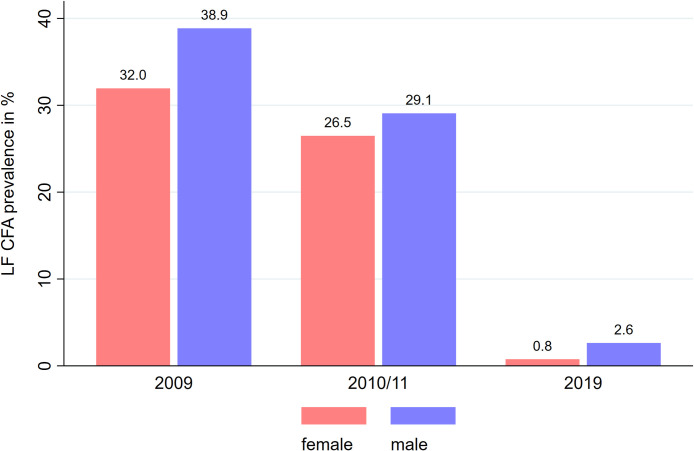
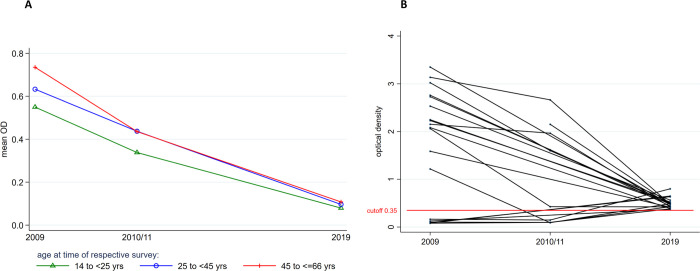
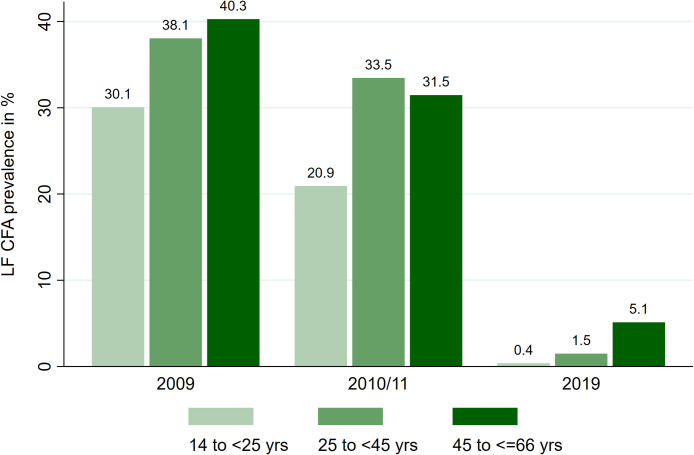
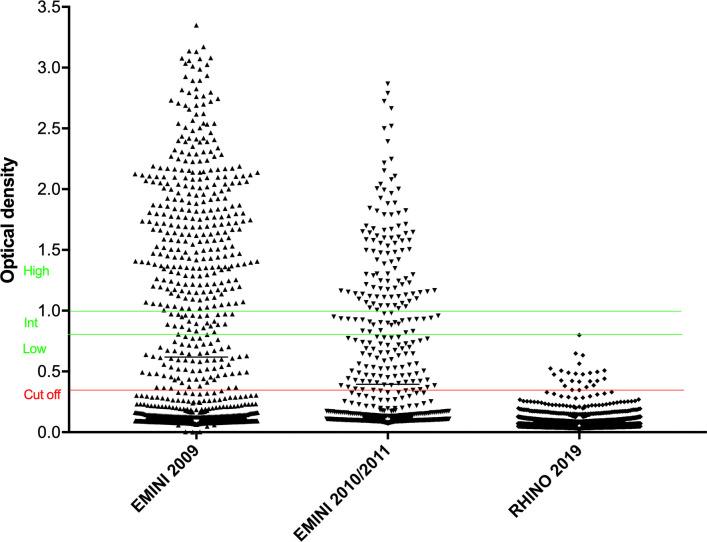
One thousand two hundred and ninety nine inhabitants of Kyela district in Southwest Tanzania aged 14 to 65 years who had participated in the study activities in 2009 were revisited in 2010/11 and 2019. Among this group, the prevalence of lymphatic filariasis of the 14-65 years olds in 2009 was 35.1%. A follow-up evaluation in 2010/11 had shown a reduction to 27.7%. In 2019, after 7 years of annual treatment and an additional three years of surveillance, the prevalence had dropped to 1.7%, demonstrating successful treatment by the national control programme. Risk factors for W. bancrofti-infection were the occupation as farmer, male sex, and older age. Most infected individuals in the 2019 follow-up study already had a positive test for filarial antigen in 2009 and/or 2010/11.
This data supports the findings of the Tanzanian Neglected Tropical Disease Control Programme (NTDCP), who conducted Transmission Assessment Surveys and found an impressive reduction in the prevalence of LF in children. Our results complement this data by showing a similar decrease in prevalence of LF in the adult population in the same area. The elimination of LF seems achievable in the near future.
淋巴丝虫病是一种在热带地区通过蚊子传播的寄生虫感染。在许多非洲国家,包括坦桑尼亚,每年用伊维菌素和阿苯达唑进行大规模治疗,以控制引起淋巴丝虫病的班氏吴策线虫的传播。
在坦桑尼亚西南部的一项普通人群研究中,2009 年在该地区开始大规模药物治疗之前,对循环丝虫抗原进行了检测,循环丝虫抗原是班氏吴策线虫成虫负担的指标。2009 年至 2015 年期间,共进行了 7 轮伊维菌素和阿苯达唑治疗,覆盖人群超过 70%。之前研究的参与者参加了 2019 年的后续活动,以衡量这一政府活动的效果。
在坦桑尼亚西南部基埃拉区,1299 名年龄在 14 至 65 岁之间的居民参加了 2009 年的研究活动,他们在 2010/11 年和 2019 年再次接受了检查。在这一组中,2009 年 14-65 岁人群的淋巴丝虫病患病率为 35.1%。2010/11 年的后续评估显示患病率已降至 27.7%。2019 年,经过 7 年的年度治疗和另外 3 年的监测,患病率已降至 1.7%,表明国家控制计划的治疗取得了成功。班氏吴策线虫感染的危险因素是农民职业、男性和年龄较大。在 2019 年的后续研究中,大多数受感染的个体在 2009 年和/或 2010/11 年已经有丝虫抗原检测阳性。
这些数据支持坦桑尼亚被忽视热带病控制方案(NTDCP)的发现,他们进行了传播评估调查,发现儿童中淋巴丝虫病的患病率显著降低。我们的结果通过显示在同一地区的成年人群中,淋巴丝虫病的患病率也有类似的下降,补充了这一数据。在不久的将来,消除淋巴丝虫病似乎是可行的。