Wang Yu, Tang Jiong, Zhou Su, Liang Tian-Tian, Wang Fang-Fang, Ning Hong
Department of Pharmacy, Mianyang Central Hospital, School of Medicine, University of Electronic Science and Technology of China, Mianyang, People's Republic of China.
Department of Pharmacy, Sichuan Second Hospital of Traditional Chinese Medicine, Chengdu, People's Republic of China.
Infect Drug Resist. 2022 Jul 13;15:3733-3749. doi: 10.2147/IDR.S371131. eCollection 2022.
Rifaximin, a rifamycin antibiotic, is widely used to treat infectious diarrhea but not commonly used in eradication. With its potential advantages of the agent, some studies were conducted on this topic. The aim of this study is to assess effectiveness and safety of rifaximin-containing regimens and to evaluate whether they are alternative choices for eradication.
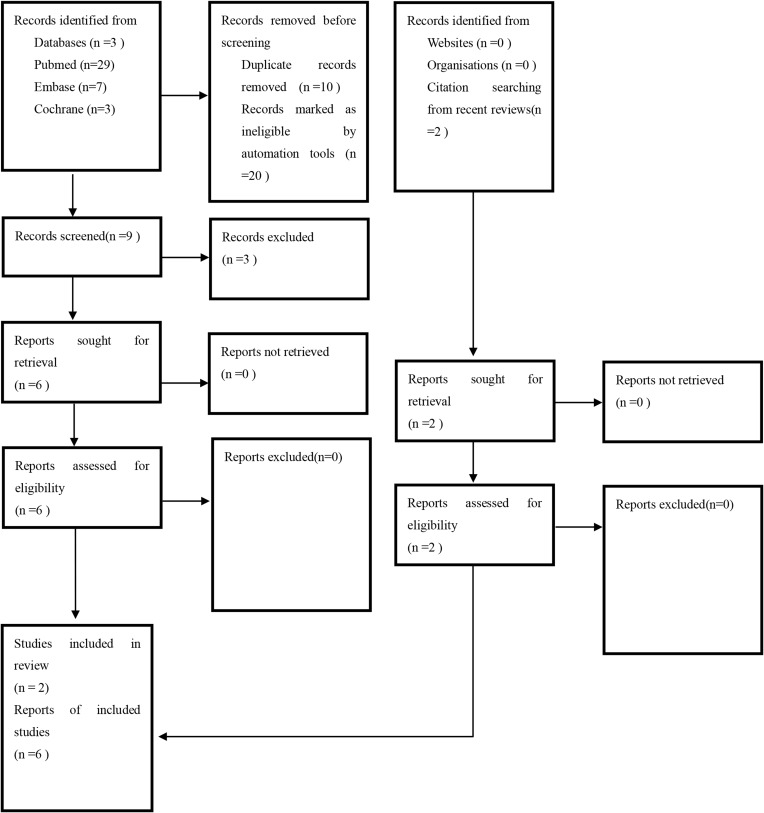
Scientific databases including PubMed, EMbase and Cochrane Library were used to identify clinical trials on rifaximin-containing regimens published from January 2000 to October 2021. Review Manager 5.4 and STATA12 were adopted for the systematic review.
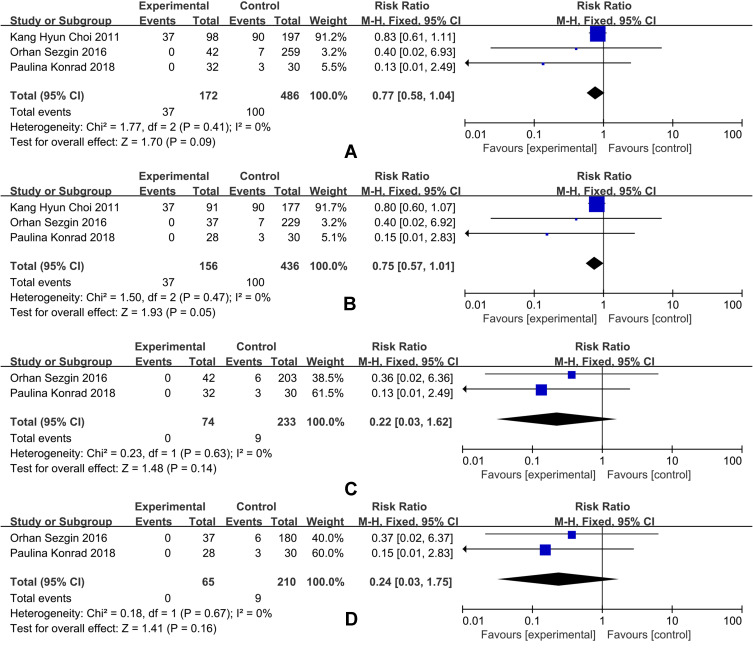
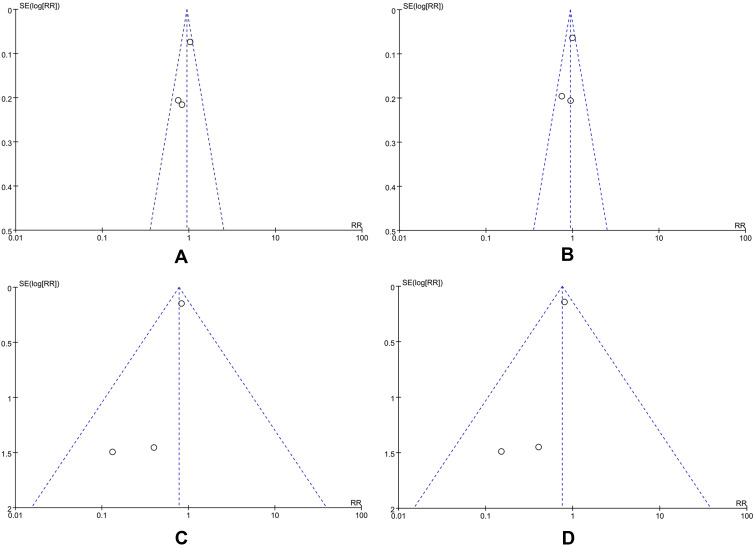
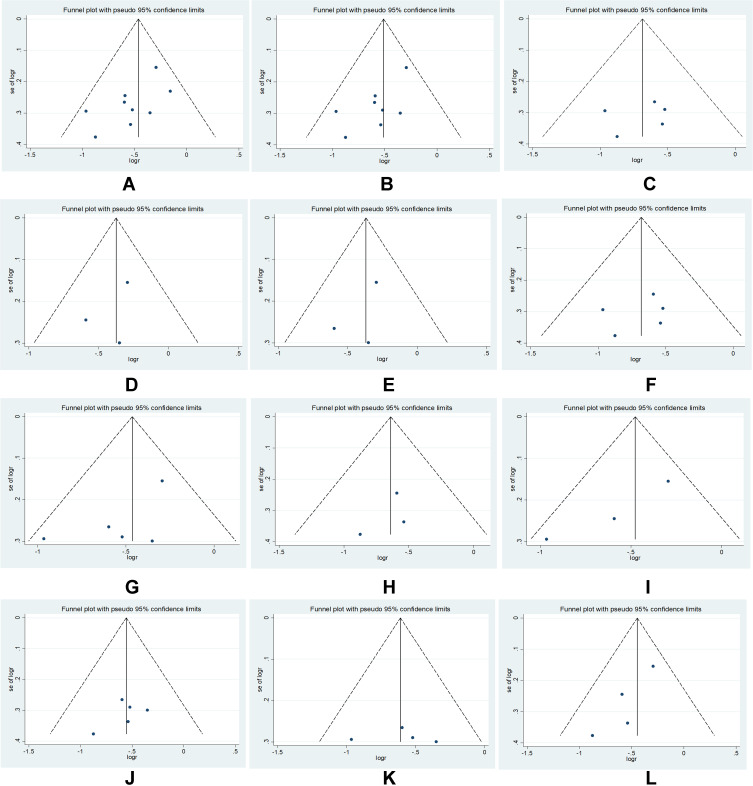
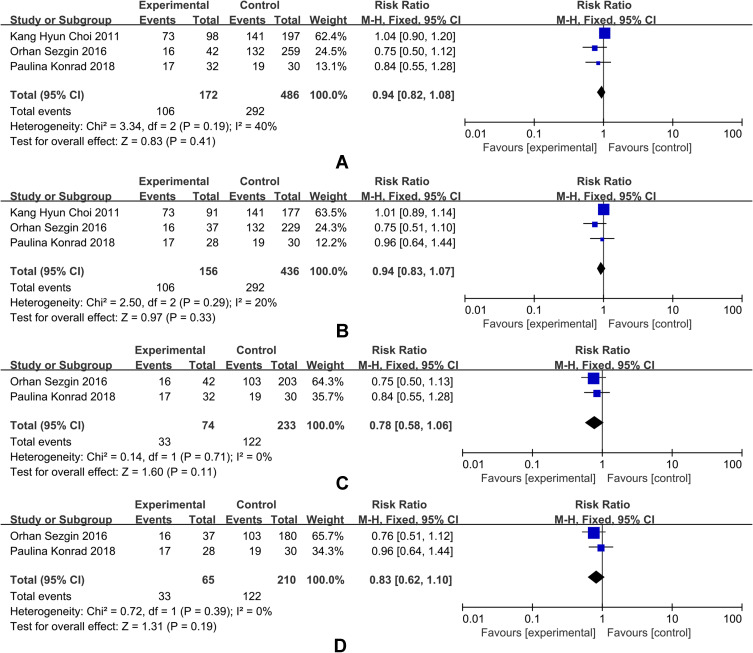
In this study, totally 1025 patients were included from 3 randomized controlled and 9 single-arm studies. It showed that the differences in effectiveness and safety between rifaximin-containing and first-line regimens were not statistically significant in randomized controlled trials. However, the results of the single-arm trials indicated that the eradication and adverse drug reaction rate varied suggesting data instability (=38.1%-85.4%, 0.00-67.5% by ITT analysis). Among them, the eradication rate of pediatric patients (=85.4% by ITT analysis) was higher than that of adult patients (=38.1-74.5% by ITT analysis). Meanwhile, in all adult subgroups (triple or quadruple, with or without amoxicillin, different duration and rifaximin dose), the results did not show sufficient effectiveness as all the eradication rates did not meet the minimum ideal or ideal target.
Taken together, rifaximin-containing regimens should not be recommended for eradication as they cannot achieve the eradication rate desired.
利福昔明是一种利福霉素类抗生素,广泛用于治疗感染性腹泻,但在根除治疗中并不常用。鉴于该药物的潜在优势,针对这一主题开展了一些研究。本研究旨在评估含利福昔明方案的有效性和安全性,并评估它们是否为根除治疗的替代选择。
使用包括PubMed、EMbase和Cochrane图书馆在内的科学数据库,检索2000年1月至2021年10月发表的关于含利福昔明方案的临床试验。采用Review Manager 5.4和STATA12进行系统评价。
本研究共纳入3项随机对照试验和9项单臂研究中的1025例患者。结果显示,在随机对照试验中,含利福昔明方案与一线方案在有效性和安全性方面的差异无统计学意义。然而,单臂试验结果表明,根除率和药物不良反应率各不相同,提示数据不稳定(意向性分析显示为38.1%-85.4%,0.00-67.5%)。其中,儿科患者的根除率(意向性分析显示为85.4%)高于成人患者(意向性分析显示为38.1%-74.5%)。同时,在所有成人亚组(三联或四联,含或不含阿莫西林,不同疗程和利福昔明剂量)中,结果均未显示出足够的有效性,因为所有根除率均未达到最低理想或理想目标。
综上所述,含利福昔明方案不应被推荐用于根除治疗,因为它们无法达到理想的根除率。