IEEE Trans Med Imaging. 2022 Dec;41(12):3686-3698. doi: 10.1109/TMI.2022.3193029. Epub 2022 Dec 2.
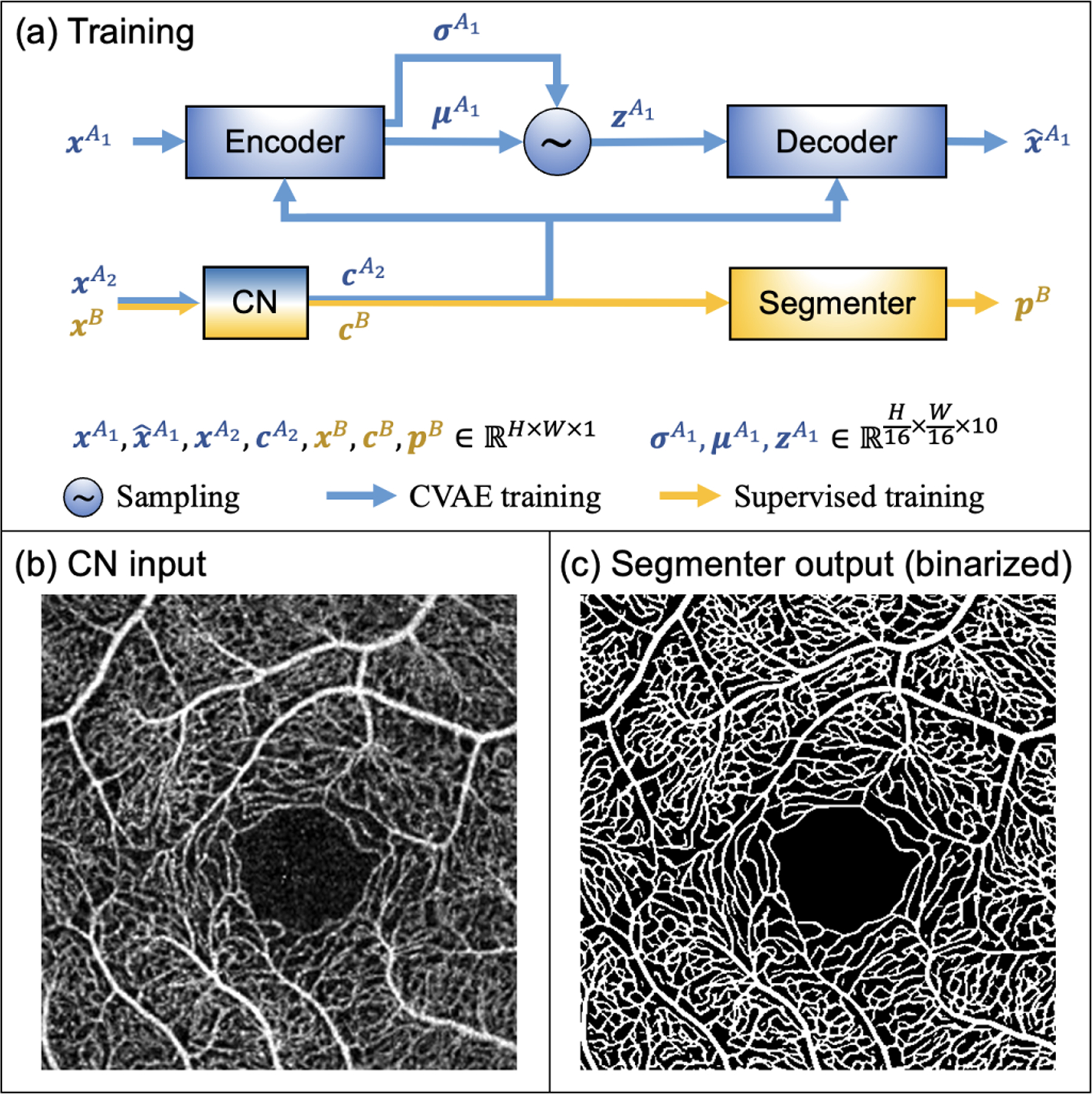
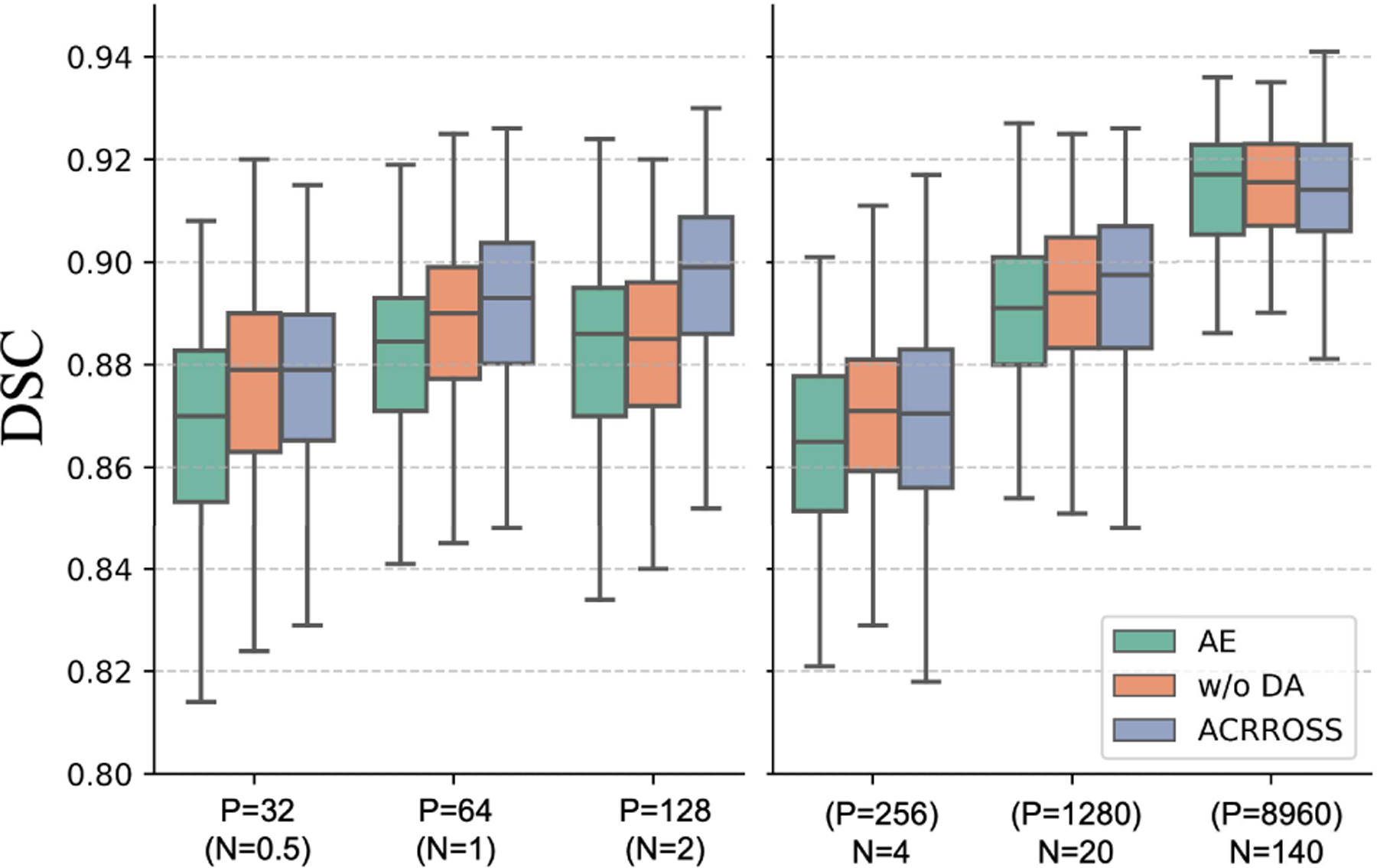
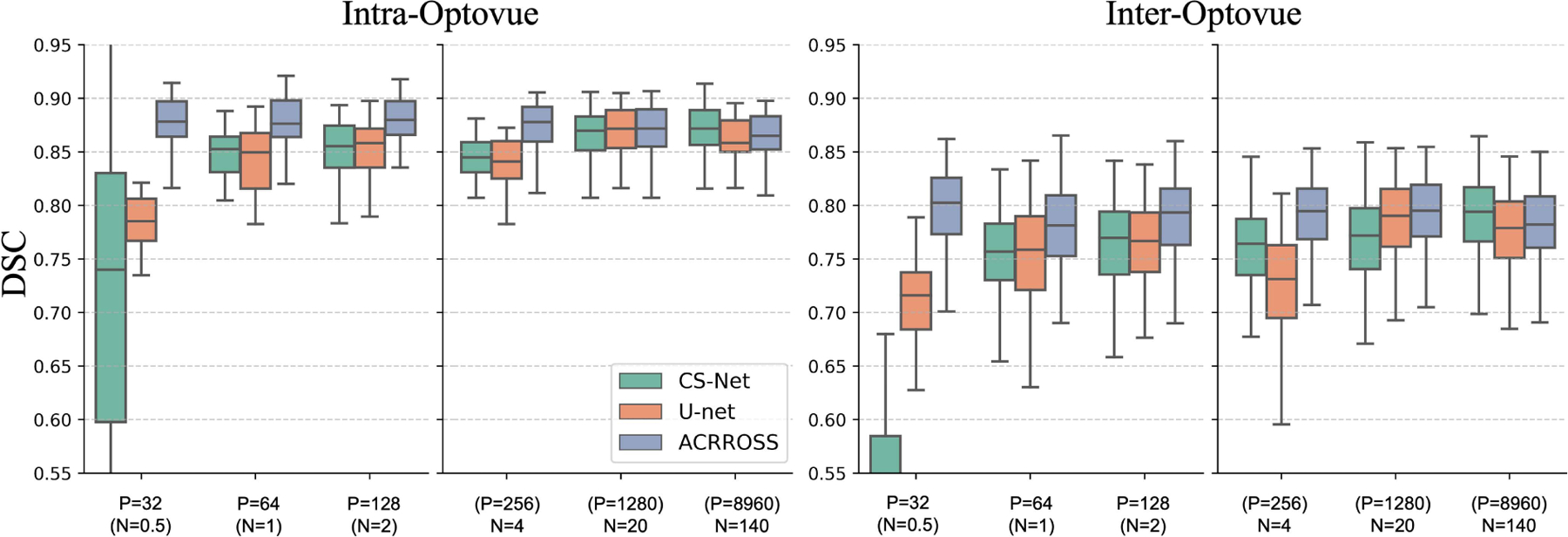
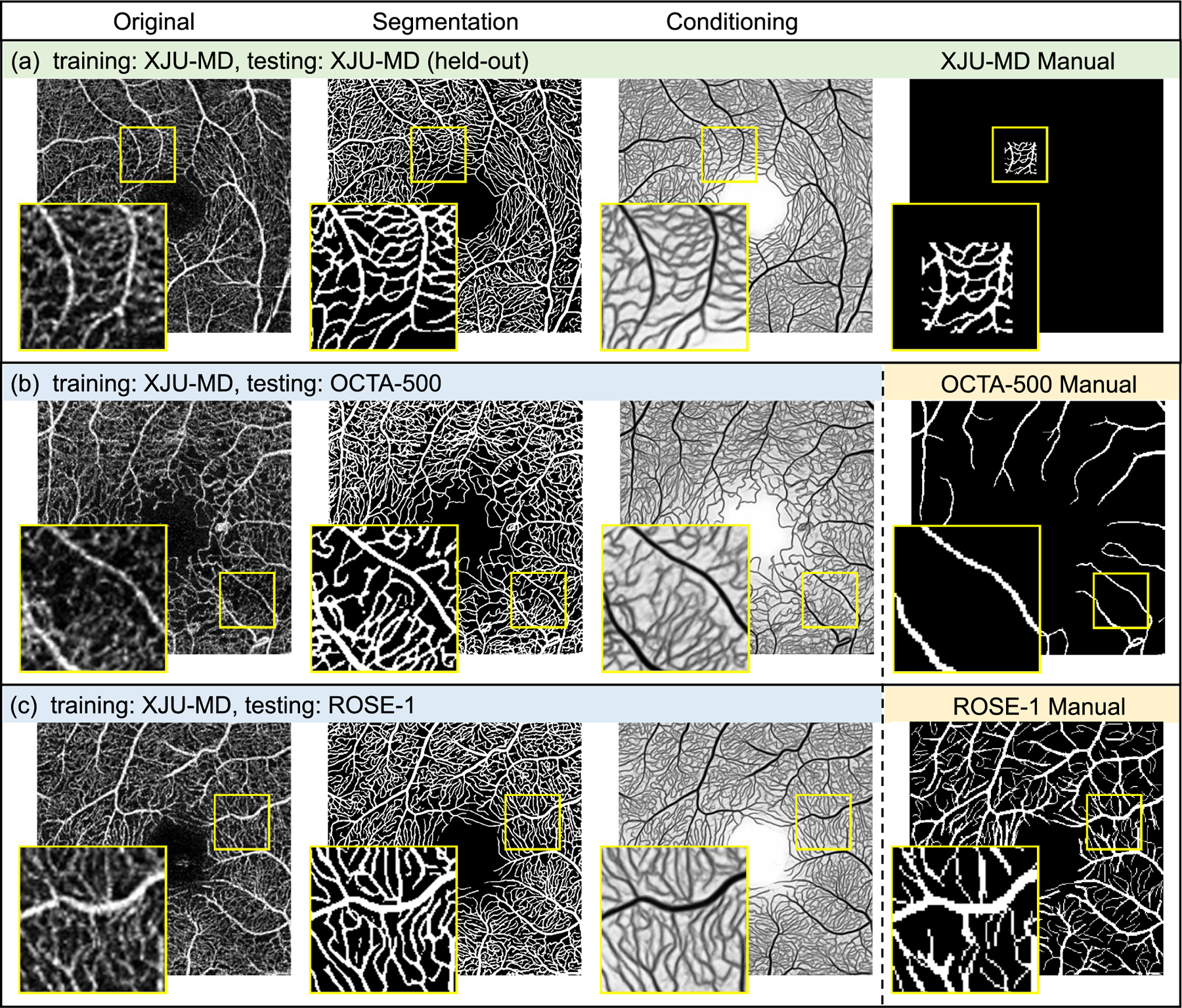
Optical coherence tomography angiography (OCTA) is an imaging modality that can be used for analyzing retinal vasculature. Quantitative assessment of en face OCTA images requires accurate segmentation of the capillaries. Using deep learning approaches for this task faces two major challenges. First, acquiring sufficient manual delineations for training can take hundreds of hours. Second, OCTA images suffer from numerous contrast-related artifacts that are currently inherent to the modality and vary dramatically across scanners. We propose to solve both problems by learning a disentanglement of an anatomy component and a local contrast component from paired OCTA scans. With the contrast removed from the anatomy component, a deep learning model that takes the anatomy component as input can learn to segment vessels with a limited portion of the training images being manually labeled. Our method demonstrates state-of-the-art performance for OCTA vessel segmentation.
光学相干断层扫描血管造影术 (OCTA) 是一种可用于分析视网膜血管的成像方式。对视面 OCTA 图像进行定量评估需要对毛细血管进行准确的分割。使用深度学习方法来完成这项任务,主要面临两大挑战。首先,为了进行训练,采集足够的手动勾画可能需要数百小时。其次,OCTA 图像受到多种与对比度相关的伪影的影响,目前这些伪影是该成像方式所固有的,并且在不同扫描仪之间差异很大。我们建议通过从配对的 OCTA 扫描中学习解剖成分和局部对比度成分的解耦来解决这两个问题。从解剖成分中去除对比度后,一个以解剖成分为输入的深度学习模型可以学习对血管进行分割,只需对一小部分训练图像进行手动标记。我们的方法在 OCTA 血管分割方面展示了最先进的性能。