School of Medicine, Trinity Translational Medicine Institute, Trinity College Dublin, Dublin, Ireland.
Brigham and Women's Hospital, Harvard Medical School, Boston, MA, United States.
Front Immunol. 2022 Jul 5;13:921212. doi: 10.3389/fimmu.2022.921212. eCollection 2022.
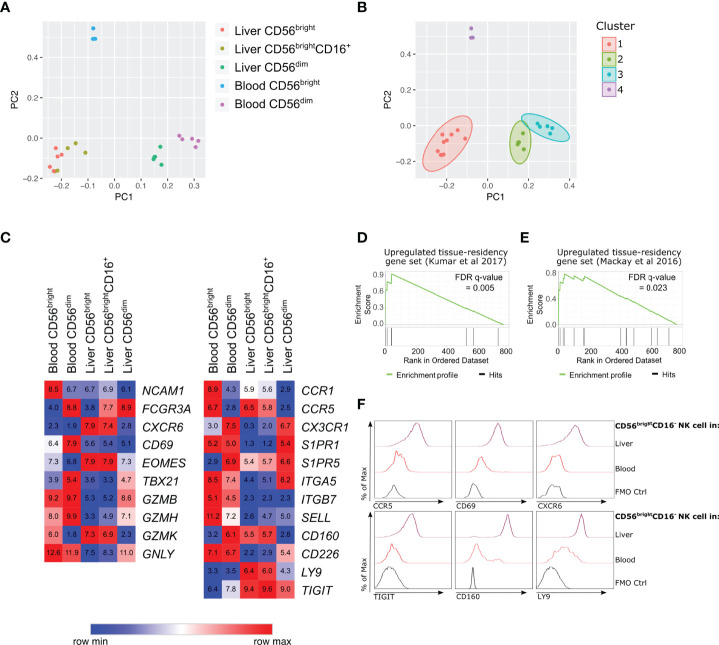
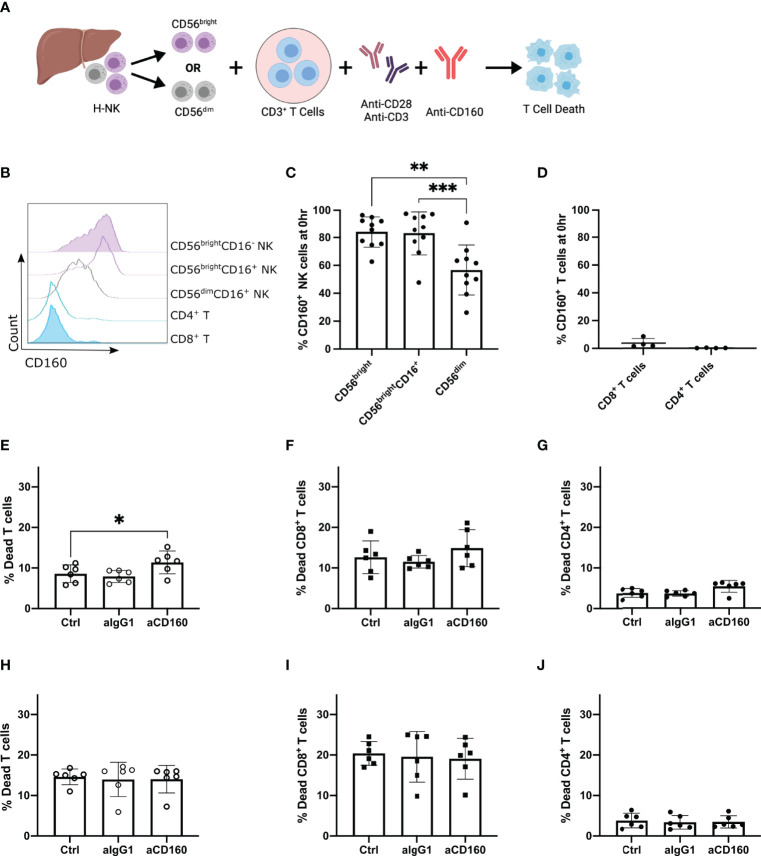
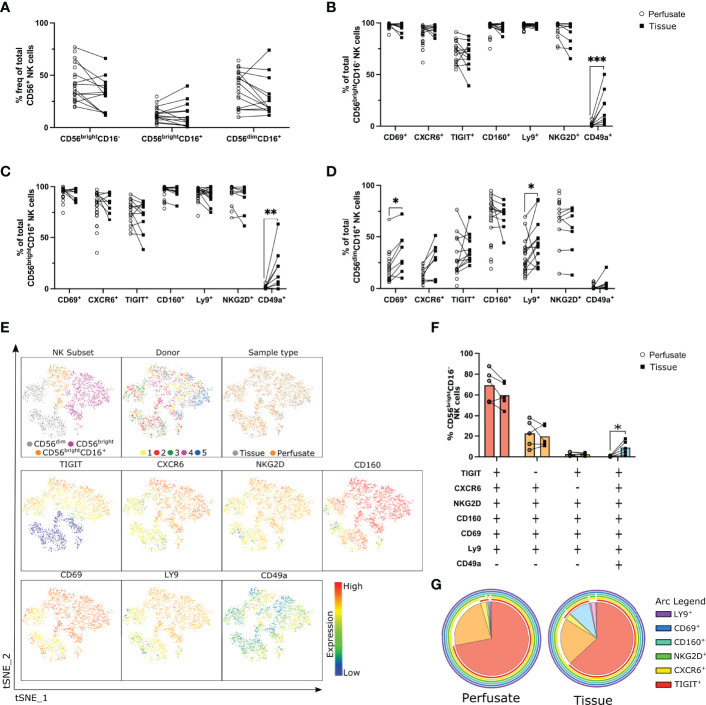
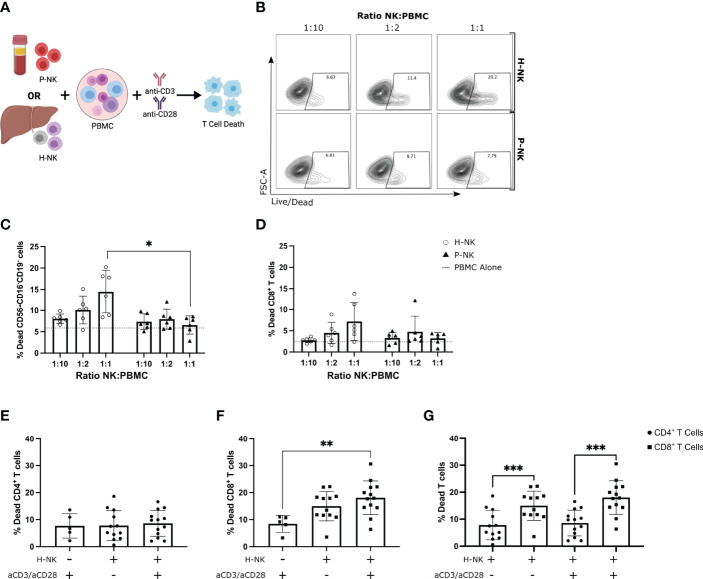
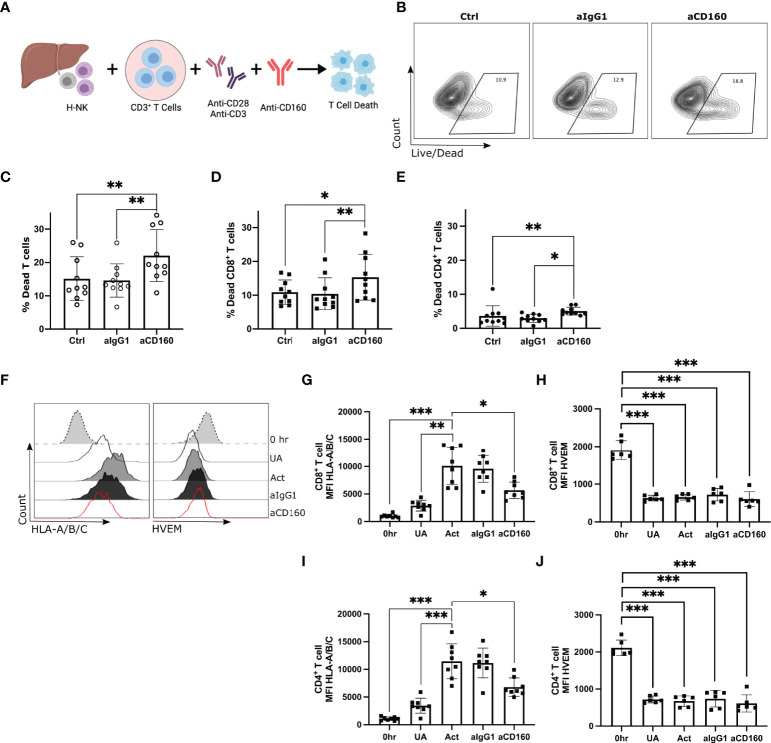
Liver-resident CD56CD16 natural killer (NK) cells are enriched in the human liver and are phenotypically distinct from their blood counterparts. Although these cells are capable of rapid cytotoxic effector activity, their functional role remains unclear. We hypothesise that they may contribute to immune tolerance in the liver during transplantation. RNA sequencing was carried out on FACS sorted NK cell subpopulations from liver perfusates (n=5) and healthy blood controls (n=5). Liver-resident CD56CD16 NK cells upregulate genes associated with tissue residency. They also upregulate expression of and , both of which encode immune receptors capable of activating NK cells. Co-expression of CD160 and Ly9 on liver-resident NK cells was validated using flow cytometry. Hepatic NK cell cytotoxicity against allogenic T cells was tested using an co-culture system of liver perfusate-derived NK cells and blood T cells (n=10-13). In co-culture experiments, hepatic NK cells but not blood NK cells induced significant allogenic T cell death (p=0.0306). Allogenic CD8 T cells were more susceptible to hepatic NK cytotoxicity than CD4 T cells (p<0.0001). Stimulation of hepatic CD56 NK cells with an anti-CD160 agonist mAb enhanced this cytotoxic response (p=0.0382). Our results highlight a role for donor liver NK cells in regulating allogenic CD8 T cell activation, which may be important in controlling recipient CD8 T cell-mediated rejection post liver-transplant.
肝固有 CD56CD16 自然杀伤 (NK) 细胞在人类肝脏中丰富,并在表型上与其血液对应物不同。尽管这些细胞能够快速进行细胞毒性效应活性,但它们的功能作用仍不清楚。我们假设它们可能在移植过程中有助于肝脏中的免疫耐受。对 FACS 分选的肝灌流 NK 细胞亚群(n=5)和健康血液对照(n=5)进行 RNA 测序。肝固有 CD56CD16 NK 细胞上调与组织归巢相关的基因。它们还上调 和 的表达,这两种基因都编码能够激活 NK 细胞的免疫受体。使用流式细胞术验证了肝固有 NK 细胞上 CD160 和 Ly9 的共表达。使用肝灌流衍生的 NK 细胞和血液 T 细胞的 共培养系统测试了肝 NK 细胞对同种异体 T 细胞的细胞毒性(n=10-13)。在共培养实验中,肝 NK 细胞但不是血液 NK 细胞诱导明显的同种异体 T 细胞死亡(p=0.0306)。与 CD4 T 细胞相比,同种异体 CD8 T 细胞更容易受到肝 NK 细胞的细胞毒性作用(p<0.0001)。用抗 CD160 激动性 mAb 刺激肝 CD56NK 细胞增强了这种细胞毒性反应(p=0.0382)。我们的结果强调了供体肝 NK 细胞在调节同种异体 CD8 T 细胞激活中的作用,这在控制肝移植后受体 CD8 T 细胞介导的排斥反应中可能很重要。