Zhao Xue, Tebbe Lars, Naash Muna I, Al-Ubaidi Muayyad R
Department of Biomedical Engineering, University of Houston, Houston, TX, United States.
Front Pharmacol. 2022 Jul 6;13:919667. doi: 10.3389/fphar.2022.919667. eCollection 2022.
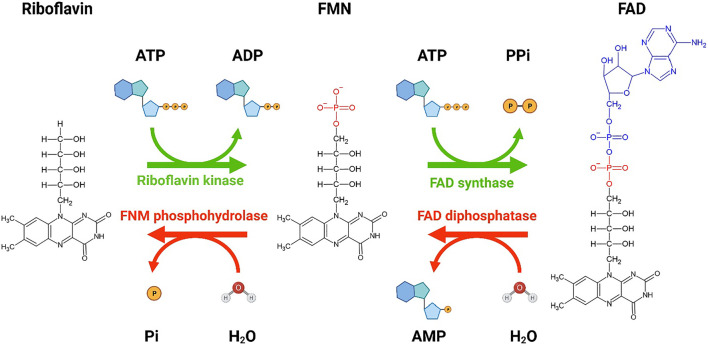
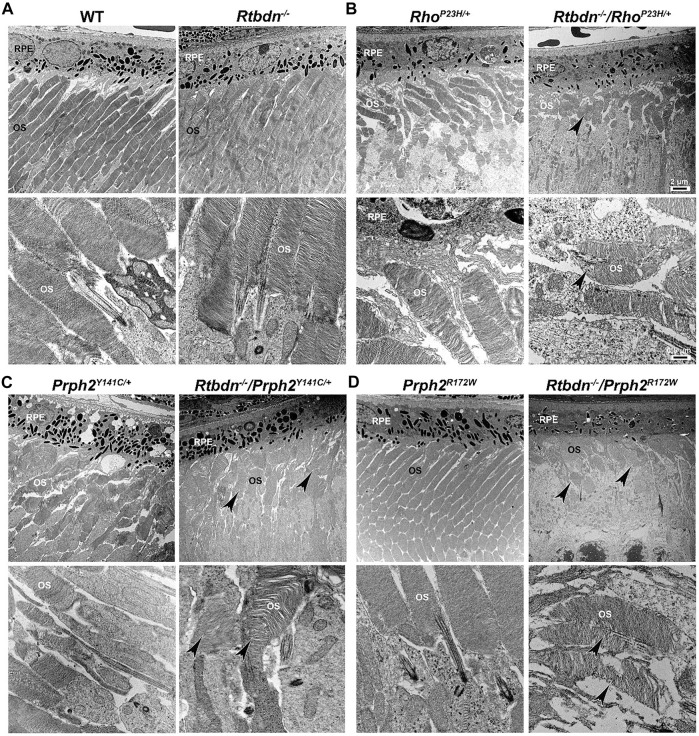
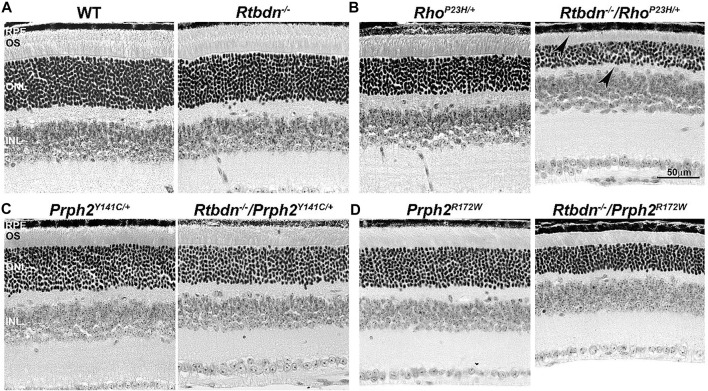
Dysregulation of retinal metabolism is emerging as one of the major reasons for many inherited retinal diseases (IRDs), a leading cause of blindness worldwide. Thus, the identification of a common regulator that can preserve or revert the metabolic ecosystem to homeostasis is a key step in developing a treatment for different forms of IRDs. Riboflavin (RF) and its derivatives (flavins), flavin mononucleotide (FMN) and flavin adenine dinucleotide (FAD), are essential cofactors for a wide range of cellular metabolic processes; hence, they are particularly critical in highly metabolically active tissues such as the retina. Patients with RF deficiency (ariboflavinosis) often display poor photosensitivity resulting in impaired low-light vision. We have identified a novel retina-specific RF binding protein called retbindin (Rtbdn), which plays a key role in retaining flavin levels in the neural retina. This role is mediated by its specific localization at the interface between the neural retina and retinal pigment epithelium (RPE), which is essential for metabolite and nutrient exchange. As a consequence of this vital function, Rtbdn's role in flavin utilization and metabolism in retinal degeneration is discussed. The principal findings are that Rtbdn helps maintain high levels of retinal flavins, and its ablation leads to an early-onset retinal metabolic dysregulation, followed by progressive degeneration of rod and cone photoreceptors. Lack of Rtbdn reduces flavin levels, forcing the neural retina to repurpose glucose to reduce the production of free radicals during ATP production. This leads to metabolic breakdown followed by retinal degeneration. Assessment of the role of Rtbdn in several preclinical retinal disease models revealed upregulation of its levels by several folds prior to and during the degenerative process. Ablation of Rtbdn in these models accelerated the rate of retinal degeneration. In agreement with these studies, we have also demonstrated that Rtbdn protects immortalized cone photoreceptor cells (661W cells) from light damage . This indicates that Rtbdn plays a neuroprotective role during retinal degeneration. Herein, we discussed the specific function of Rtbdn and its neuroprotective role in retinal metabolic homeostasis and its role in maintaining retinal health.
视网膜代谢失调正成为许多遗传性视网膜疾病(IRDs)的主要原因之一,而IRDs是全球失明的主要原因。因此,识别一种能够维持或使代谢生态系统恢复到稳态的共同调节因子,是开发针对不同形式IRDs治疗方法的关键一步。核黄素(RF)及其衍生物(黄素)、黄素单核苷酸(FMN)和黄素腺嘌呤二核苷酸(FAD),是广泛细胞代谢过程中必不可少的辅助因子;因此,它们在视网膜等高代谢活性组织中尤为关键。RF缺乏症(核黄素缺乏病)患者常表现出光敏性差,导致弱光视力受损。我们鉴定出一种新型的视网膜特异性RF结合蛋白,称为视黄结合蛋白(Rtbdn),它在维持神经视网膜中的黄素水平方面起关键作用。这一作用是由其在神经视网膜和视网膜色素上皮(RPE)之间的界面处的特定定位介导的,这对于代谢物和营养物质的交换至关重要。由于这一重要功能,则讨论了Rtbdn在视网膜变性中黄素利用和代谢中的作用。主要发现是,Rtbdn有助于维持视网膜黄素的高水平,其缺失会导致早期视网膜代谢失调,随后是视杆和视锥光感受器的进行性退化。缺乏Rtbdn会降低黄素水平,迫使神经视网膜重新利用葡萄糖,以减少ATP生成过程中自由基的产生。这会导致代谢崩溃,随后是视网膜变性。对Rtbdn在几种临床前视网膜疾病模型中的作用评估显示,在退化过程之前和期间,其水平上调了几倍。在这些模型中敲除Rtbdn会加速视网膜变性的速度。与这些研究一致,我们还证明了Rtbdn可保护永生化视锥光感受器细胞(661W细胞)免受光损伤。这表明Rtbdn在视网膜变性过程中起神经保护作用。在此,我们讨论了Rtbdn的具体功能及其在视网膜代谢稳态中的神经保护作用,以及其在维持视网膜健康中的作用。